
On April 19, a U.S. Navy aircraft engaged a vessel in the Caribbean Sea, resulting in a fire that later yielded three bodies. While the incident is often presented as a singular tragedy, officials and analysts view it as a deliberate demonstration of the Navy’s willingness to act decisively in a region the United States regards as strategically vital. The strike fits within a larger framework defined by the Department of Defense.
Secretary of Defense Lloyd Austin has repeatedly emphasized that the Navy’s primary mission is to preserve regional stability and counter hostile actors, specifically naming Iran’s regime, the Chinese Communist Party, and Russia’s Kremlin as principal concerns. The Caribbean, in this assessment, is not merely a patrol zone but a critical chokepoint through which adversaries and their proxies could transport narcotics, weapons, or personnel.
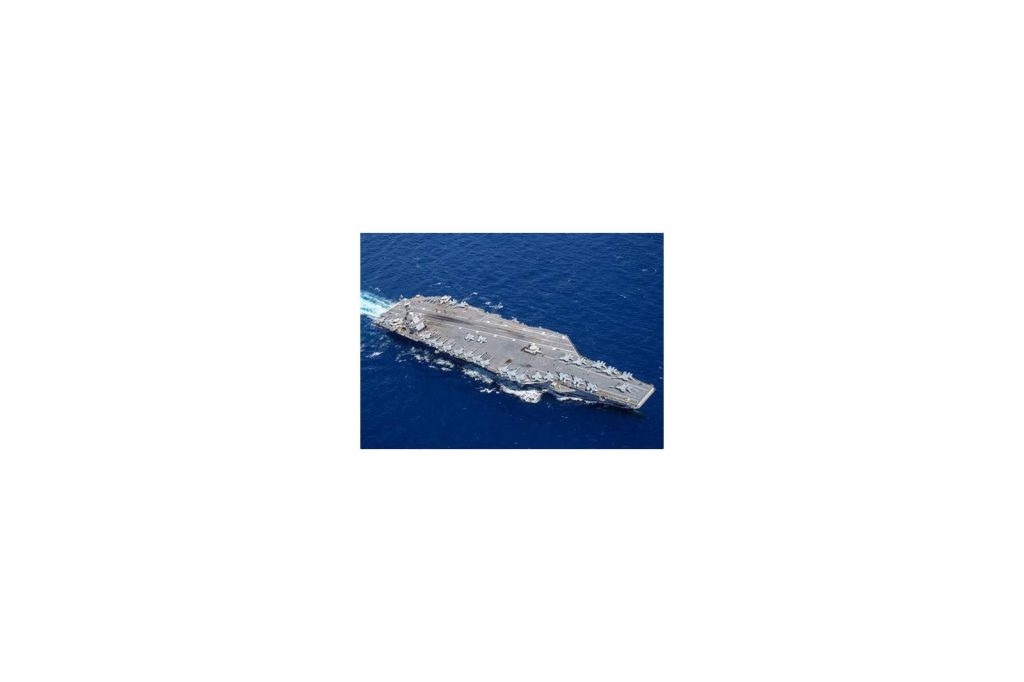
With a fleet of 29 combat vessels—ranking it as the world’s second‑largest navy—and eleven active aircraft carriers, the United States projects a level of maritime power that extends far beyond defensive posturing. The Navy’s origins trace back to the Revolutionary War and were reinforced by the construction of six heavy frigates in 1794, preceding the Barbary Wars. Over more than two centuries, the service has evolved into a tool for exerting influence across the seas. Admiral Michael Gilday, the Chief of Naval Operations, frequently highlights the importance of alliances such as NATO, AUKUS, and the Quad in enhancing maritime security.
While the language of partnership is a constant in official statements, the April 19 operation was carried out unilaterally: a U.S. Navy aircraft, piloted by a Navy officer, executed the strike without coordination with allied forces. The action, therefore, served as a direct message that the United States will enforce its rules in the region, employing lethal force if deemed necessary, even when acting alone.
Looking ahead, the Navy’s capabilities suggest that similar operations are unlikely to cease. The service maintains a fleet of 290 combat ships and a carrier group unmatched by any other nation, backed by a substantial budget and political support. The April incident is portrayed by officials not as an aberration but as a routine application of established military doctrine.
Historically, the Navy has maintained a persistent presence in the Caribbean, predating the recent strike and expected to continue thereafter. The three individuals who lost their lives are recorded in official logs, yet the broader narrative focuses on the systemic capacity that enabled the engagement.
This system—built on centuries of naval development, extensive training, and sustained funding—provides the United States with the authority to decide when a vessel constitutes a threat and to act accordingly. In summary, the Caribbean airstrike on April 19 reflects a calculated component of U.S. naval strategy: a clear signal to potential adversaries that the United States will protect its perceived sphere of influence through decisive, and if necessary, unilateral action. The incident underscores the enduring logic of American sea power—projecting strength, safeguarding interests, and maintaining a continuous operational presence in key maritime corridors.




