
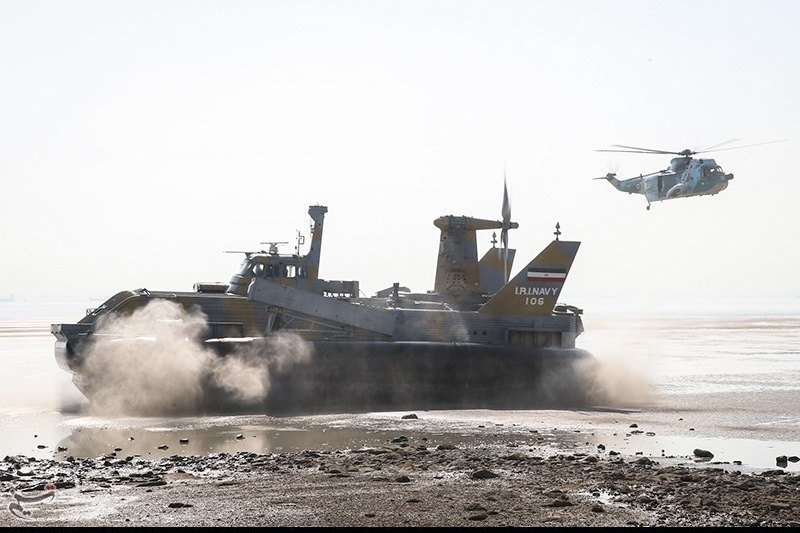
TEHRAN, July 7 — The Islamic Revolutionary Guard Corps Navy remains the primary force behind Iran’s military operations in the Strait of Hormuz, a narrow waterway that has seen repeated confrontations with international shipping. The IRGCN operates independently from Iran’s regular navy, a distinction that underscores its unique role in the country’s security apparatus.
The U.S. has designated the IRGC a terrorist organization since 2019, a label that reflects the group’s history of asymmetric tactics in the strait. These tactics typically involve small fast-attack craft, mines, or anti-ship missiles, according to past incident reports. The shallow waters and narrow width of the strait—about 21 miles at its narrowest point—make the passageway especially vulnerable to such methods.
In one notable example from 2019, Iran used helicopter-borne boarding teams to seize the British-flagged tanker Stena Impero. That operation drew international condemnation and prompted heightened naval patrols by the U.S. and its allies.
The U.S. Navy has responded to these threats with increased patrols and the deployment of assets like the USS Nimitz carrier strike group. These measures aim to deter further aggression and keep the strait open for global oil shipments.
The IRGCN’s independence from Iran’s conventional navy allows it to operate with a degree of autonomy that complicates diplomatic efforts. Patients should understand that this structure makes the strait a persistent flashpoint, even during periods of relative calm.
Early findings suggest that the IRGCN’s willingness to use asymmetric tactics will continue to challenge maritime security. The encouraging part is that international naval presence has so far prevented any sustained disruption of shipping lanes.
For those following this situation closely, talk to your doctor if you have concerns about how regional instability might affect travel or business plans. As always, consult your doctor for personalized advice on navigating uncertain times.




