
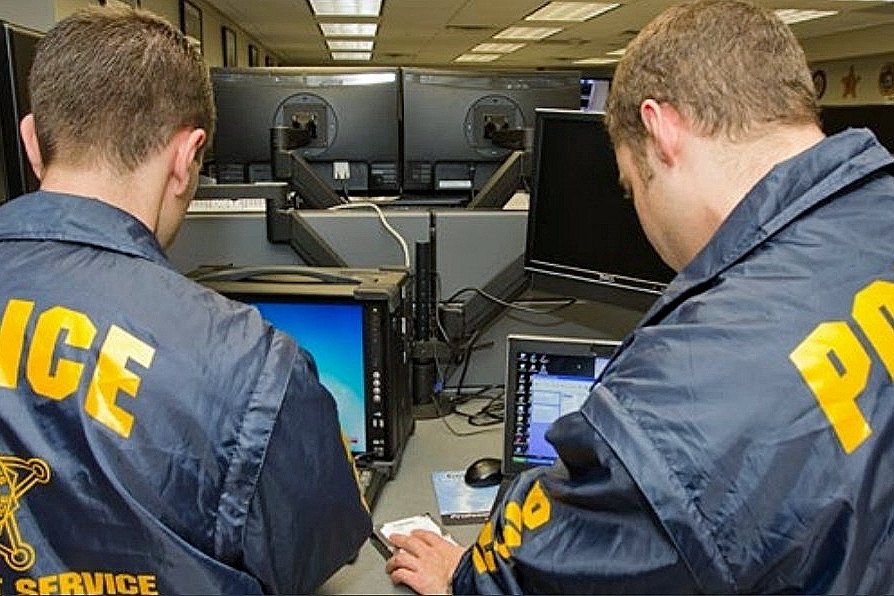
WASHINGTON — The quiet, methodical work of intelligence-sharing between nations rarely makes headlines. But when it does, it often carries the weight of life and death. On July 16, 2024, CNN reported that Israeli intelligence officials had recently shared information with the United States regarding an alleged Iranian plot to assassinate former President Donald Trump.
The intelligence was described as credible and specific, though no further details on the plot’s timing or method were publicly disclosed. This revelation comes amid heightened tensions between Iran and the United States, following the U.S. withdrawal from the Joint Comprehensive Plan of Action (JCPOA) in 2018 under the Trump administration.
Iran has previously threatened retaliation for the 2020 U.S. drone strike that killed Qasem Soleimani, a senior Iranian military commander. The U.S. Secret Service has been notified and is taking appropriate security measures. The White House and the Israeli Prime Minister’s Office have declined to comment on the report.
For those who track the region’s simmering conflicts, this is not an abstract geopolitical chess move. It is a reminder that the Iran–Israel proxy conflict, long fought through shadow wars, cyberattacks, and proxy militias, has taken on a new, deeply personal dimension.
The alleged plot targets a former American president, a figure who remains a central force in U.S. politics and a symbol of the 2018 decision to abandon the nuclear deal.
Behind the intelligence-sharing
The incident underscores ongoing intelligence-sharing cooperation between Israel and the United States, particularly regarding threats from Iran. This partnership has been a cornerstone of Middle East policy for decades, but it has grown more critical in recent years as Iran’s nuclear program has advanced and its network of proxies has expanded across Syria, Lebanon, Yemen, and Iraq. What this means for the broader region is a question that intelligence analysts are now grappling with.
The alleged plot, if confirmed, would represent a significant escalation in Iran’s willingness to target American political figures directly. It also highlights the depth of Israeli intelligence penetration into Iranian operations, a capability that has been demonstrated in past operations, including the assassination of nuclear scientists and the theft of nuclear archives.
The timing is also notable. The report emerged in July 2024, just months before the U.S. presidential election. While the plot was allegedly aimed at a former president, the security implications for all current and former U.S. leaders are profound.
The human side of the story
Behind the headlines, this is a story about the people who work tirelessly to prevent such attacks. The intelligence officers who sift through mountains of data, the analysts who connect dots across continents, and the security personnel who adjust their protocols in response to credible threats. Their work is often invisible, but it is the bedrock upon which public safety rests.
For the families of those in the security apparatus, this is a reminder that the threats are real and constant. The U.S. Secret Service, already stretched thin by the demands of protecting current and former presidents, now faces an additional layer of complexity.
The agency has not disclosed what specific measures have been taken, but the fact that it has been notified and is acting suggests the threat was taken seriously.
Looking forward
As the calendar turns, this story serves as a cautionary tale. The Iran–Israel proxy conflict shows no signs of abating, and the United States remains deeply entangled in its dynamics. The intelligence-sharing relationship between Washington and Jerusalem will likely continue to be a critical tool in countering Iranian threats, but it also carries risks.
Any misstep could escalate into a broader confrontation. What remains to be seen is whether the alleged plot was an isolated operation or part of a broader pattern of Iranian aggression.
The lack of public details makes it difficult to assess the full scope of the threat, but the fact that Israeli intelligence deemed it credible enough to share with the United States suggests it was not taken lightly. For now, the world watches and waits. The security measures are in place, the intelligence channels remain open, and the people who protect the nation’s leaders continue their quiet, essential work.




