
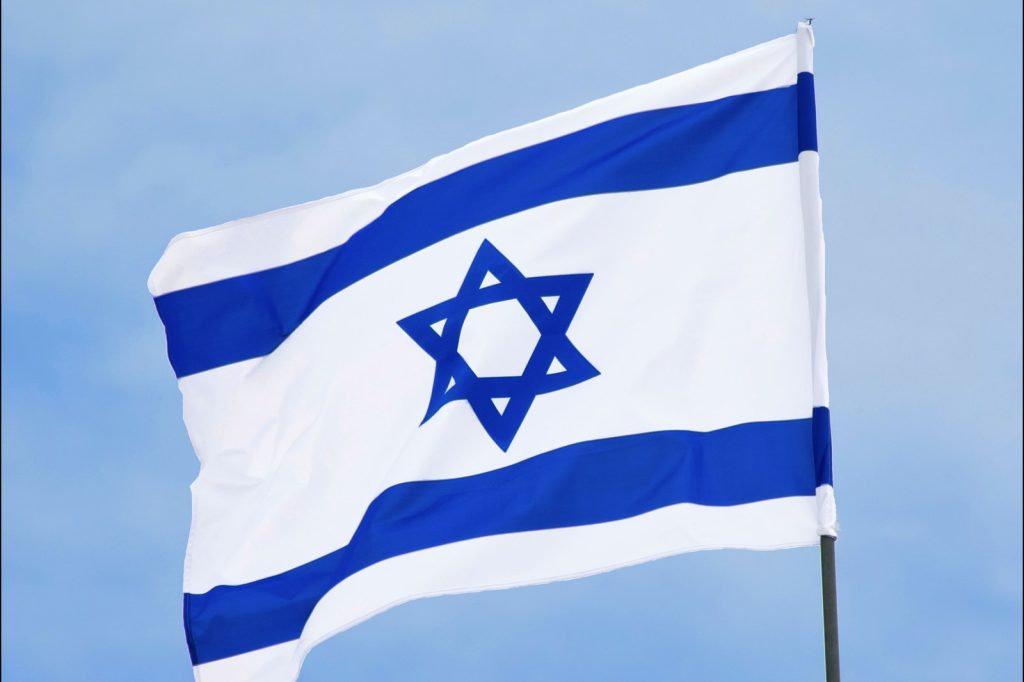
From the cramped dormitories of Tel Aviv to the living rooms of Manila, the question of who runs Israel is not academic. It is personal. Thousands of overseas Filipino workers live and work inside that political uncertainty.
Their remittances buy rice, pay school fees, and keep clinics open back home. A change in leadership could rewrite the rules they live by.
The prime minister is in trouble. That much is clear. His coalition looks brittle.
Investigations have piled up. International pressure has not let up.
Yet his rivals, the people who want his job, are not celebrating. They have seen this before. They have watched him slip out of tight corners.
They know his political instincts are sharp, even now. For communities across Asia, this matters in concrete ways. Labour agreements between Israel and sending countries like the Philippines are not permanent documents.
They are renegotiated. They shift with the political winds.
A new prime minister may tighten visa rules or loosen them. He may demand different terms for caregivers and construction workers. The thousands of Filipino women who look after elderly Israelis every day do not have the luxury of waiting out the political drama.
They need stability now. Trade routes are another piece of the puzzle.
Israel sits at a crossroads between the Mediterranean and the Indo-Pacific. Energy partnerships, technology deals, and security cooperation all flow through that corridor. A political crisis in Jerusalem does not stop the tankers or the data cables, but it does inject risk into every contract.
Asian investors watch the same news cycles that Western capitals watch. They calculate the same odds. The source material is heavily encoded, but the picture it paints is consistent.
The prime minister has survived before. That survival instinct is a known quantity.
His rivals factor it into their planning. They are positioning for a transition, yes, but they are not betting the house on it. They have been burned by premature predictions in the past.
Filipino communities in Haifa and Tel Aviv have long ties to Israel. Those ties are not abstract.
They are built on decades of work, of shared households, of funerals attended and weddings missed back home. Any political upheaval sends ripples through those networks. A caregiver who loses her work permit does not just lose a job.
She loses a life she has built, piece by piece, in a foreign country. The uncertainty is the hardest part. Ordinary people across Asia cannot do much about the coalition arithmetic in the Knesset.
They cannot vote in Israeli elections. They can only watch and wait.
They can hope that whoever ends up in power keeps the agreements intact. They can brace for changes they cannot control. This is not a story about one man’s career.
It is a story about the thousands of lives that depend on the outcome of that career. The prime minister’s political future is uncertain.
His rivals refuse to count him out. For families in Indonesia, Malaysia, and the Philippines, the waiting continues.




