
A Panorama of Mediators and Their Motivations
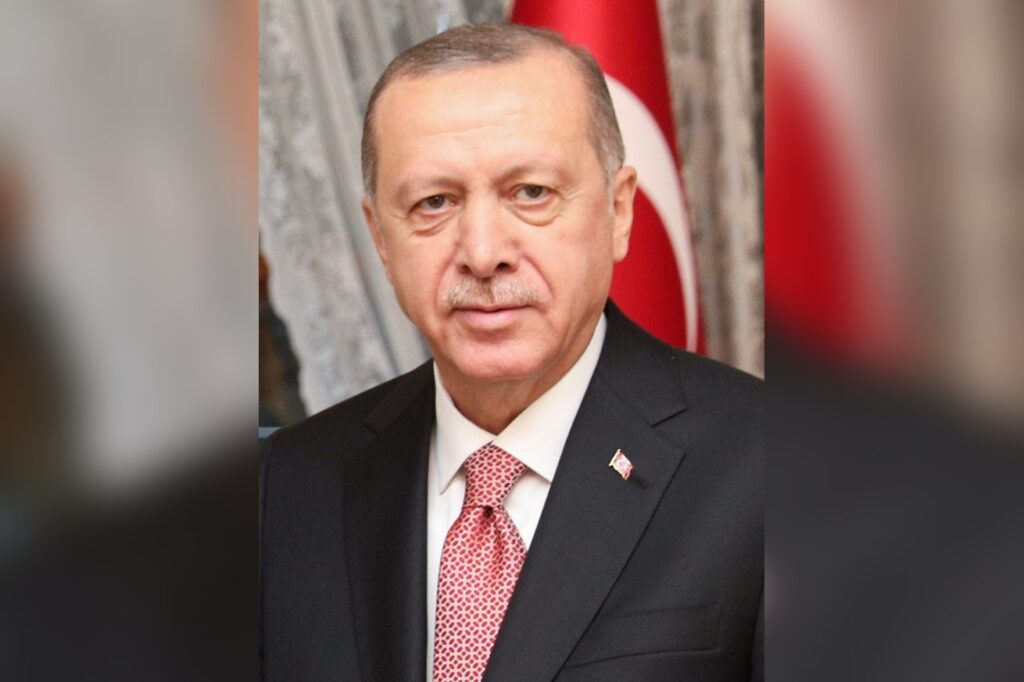
Turkish President Recep Tayyip Erdogan mediated the Istanbul talks in March 2022, leveraging his NATO membership and Black Sea proximity to convene the sides. Saudi Crown Prince Mohammed bin Salman hosted talks in Jeddah in August 2023, drawing on the kingdom’s energy wealth and a desire to project soft power. Swiss President Viola Amherd convened the June 2024 peace summit in Bürgenstock, offering Switzerland’s neutrality as a venue. Meanwhile, Chinese President Xi Jinping proposed a 12-point peace plan in February 2023. Each mediator brings distinct assets and baggage: Erdogan’s Turkey has a complex relationship with Moscow; bin Salman’s Saudi Arabia maintains oil ties to Russia; Switzerland has neutrality but limited leverage; and China’s plan, on closer reading, aligns more closely with Moscow’s position than Kyiv’s.
The UN Secretary-General António Guterres has called for a ceasefire. European Commission President Ursula von der Leyen has expressed support for Ukraine. NATO Secretary General Jens Stoltenberg has coordinated military aid. The resulting architecture is fragmented: military coordination through NATO, diplomatic overtures through the UN and various national capitals, and no single channel that both Kyiv and Moscow accept as legitimate.
The Persistent Gap Between Kyiv and Moscow
Ukrainian President Volodymyr Zelenskyy has drawn a red line: no deal that compromises Ukraine’s sovereignty. In a 2025 statement, he reiterated that Ukraine will not accept any peace deal that violates that principle. This position has not changed since the war began. Russian President Vladimir Putin has not publicly budged from his maximalist demands. Moscow has required recognition of occupied territory, limits on Ukrainian military capacity, a block on NATO membership for Ukraine, and relief from international sanctions. Kyiv has asked for a halt to fighting, withdrawal of foreign forces, return of detainees and children, accountability for wartime acts, and assurances against future attacks. The gap between those positions has kept a settlement out of reach since the conflict’s earliest weeks.
The first encounter between the two sides occurred within days of the invasion at a meeting in Belarus and produced no agreement. Subsequent discussions moved to other locations, but none have yielded a breakthrough. The Jeddah talks produced no breakthrough. The Bürgenstock summit produced a communique but no Russian participation. The Istanbul talks collapsed within weeks. The question is whether any mediator can produce a framework that gives Putin a face-saving exit while respecting Kyiv’s sovereignty line. On the evidence so far, none have.
Fragmented Diplomacy Without a Single Trusted Channel
The real story is not the number of peace plans but the absence of a single mechanism that both sides trust. Every mediator brings their own baggage and regional priorities. The patchwork of summits and proposals grows from a standoff that has persisted since the war’s early weeks. What to watch next is whether any mediator can bridge the fundamental gap: Russia demands territorial gains and security guarantees; Ukraine demands full sovereignty and territorial integrity. Until that gap narrows, the peace process will remain a series of photo opportunities and communiques—diplomatic choreography without a resolution. The rotating roster of would-be brokers, from Ankara to Jeddah to Bürgenstock, has so far produced no framework acceptable to both Kyiv and Moscow, leaving the conflict’s outcome to be determined by events on the battlefield rather than at the negotiating table.
{“@context”: “https://schema.org”, “@type”: “NewsArticle”, “headline”: “Turkish, Saudi, Swiss, Chinese leaders mediate Ukraine-Russia talks”, “description”: “A Panorama of Mediators and Their Motivations Turkish President Recep Tayyip Erdogan mediated the Istanbul talks in March 2022, leveraging his NATO membership and Black…”, “datePublished”: “2026-07-15T09:30:00+00:00”, “author”: {“@type”: “Person”, “name”: “Henry Thomas”}, “publisher”: {“@type”: “Organization”, “name”: “InfoPulse Today”, “url”: “https://newsfeed.2bme.xyz/”}}




