
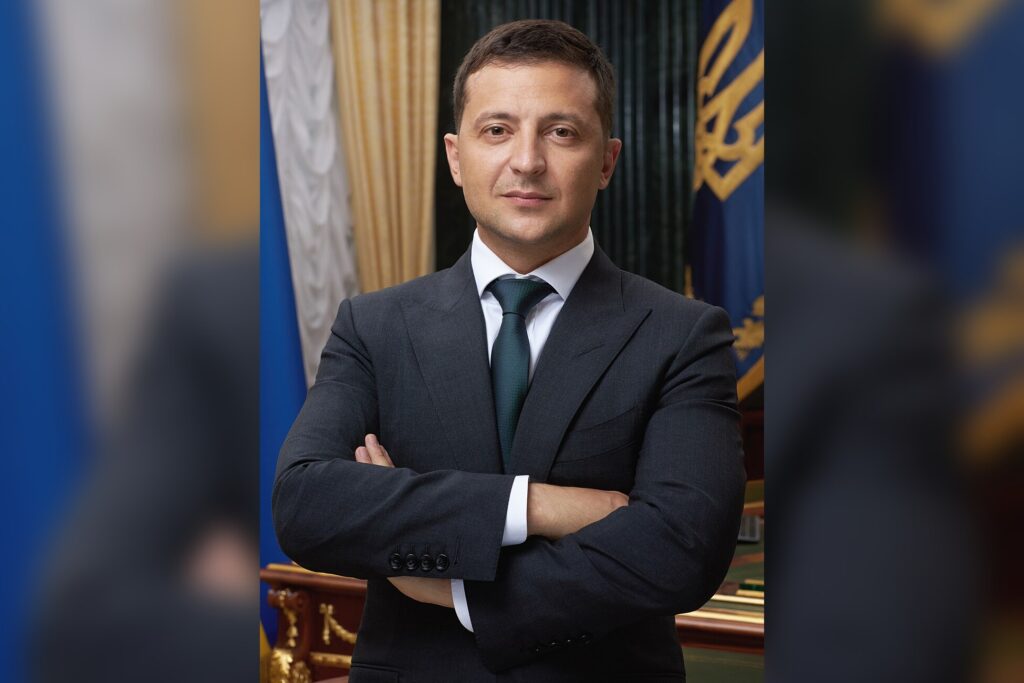
BRUSSELS, July 6 — Reports that Ukrainian President Volodymyr Zelensky may be barred from addressing the upcoming NATO summit have raised questions about the alliance’s long-term strategy toward Kyiv. If confirmed, the decision could signal a shift in NATO’s approach, potentially affecting future aid packages and Ukraine’s membership prospects. The reported exclusion comes at a delicate moment.
Ukraine has sought a Membership Action Plan (MAP) as a step toward joining the alliance, a goal enshrined in its constitution since 2019. The 2023 Vilnius summit offered a streamlined process without a formal MAP, but no timeline was provided.
The U.S. Congress passed a $61 billion aid package for Ukraine in April 2024. However, future funding depends on the outcome of the November 2024 U.S. election, according to the source material. NATO’s 2024 summit is expected to announce a new multi-year support package for Ukraine, but the reported exclusion may undermine Kyiv’s confidence in the alliance’s commitment.
For Ukraine, the Membership Action Plan has been a key benchmark. Without a formal MAP or a clear path forward, Kyiv’s leverage in future negotiations could weaken.
The reported decision to bar Zelensky from speaking, if confirmed, would mark a departure from previous summits where Ukrainian leaders were given a platform to press their case. Officials have not officially confirmed the exclusion, and NATO has not issued a statement on the matter as of this writing. The summit is expected to proceed with announcements on support packages, but the optics of sidelining Ukraine’s wartime leader could resonate beyond the meeting room.
What to watch next: The final summit agenda and any public remarks from NATO leaders. The U.S. election in November 2024 will also shape future funding, and Kyiv will be watching closely for signs of waning Western resolve.




