
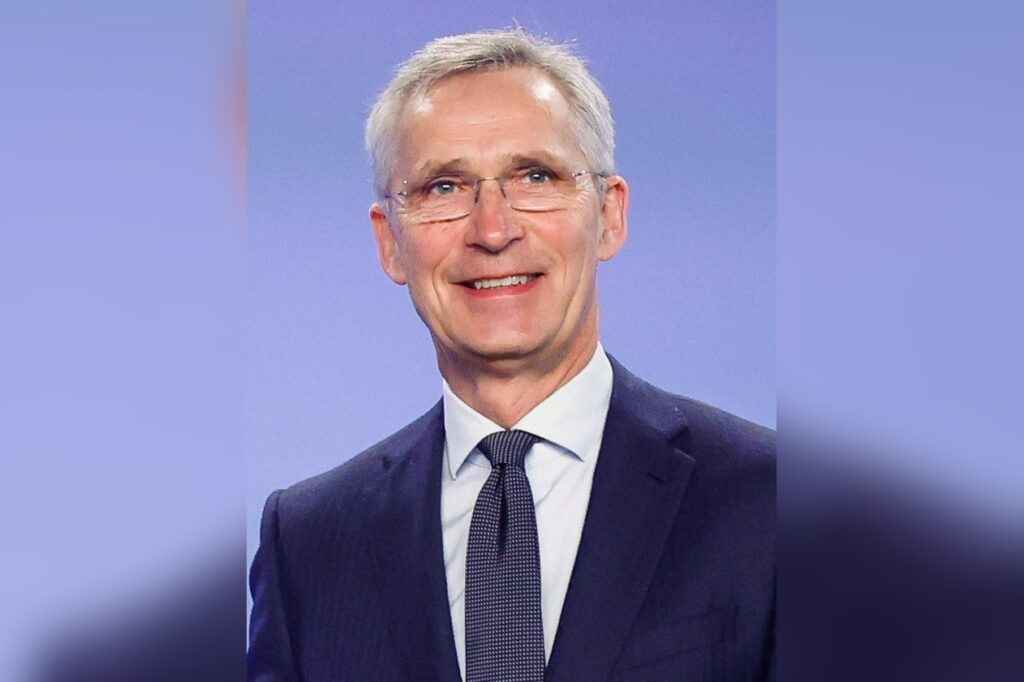
BRUSSELS, July 6 — Against this backdrop of a continent reshaped by war, Jens Stoltenberg’s long tenure at the helm of NATO is drawing to a close. The Norwegian, who took office as Secretary General on October 1, 2014, has steered the alliance through its most turbulent period since the Cold War, defined by Russia’s aggression against Ukraine.
Stoltenberg came to NATO with a formidable political pedigree. He had already served two terms as Prime Minister of Norway, from 2000 to 2001 and again from 2005 to 2013. That experience in national leadership, in a country sharing a border with Russia in the Arctic, gave him a particular understanding of the Kremlin’s strategic posture.
The defining challenge of his secretary-generalship arrived early. Russia’s annexation of Crimea in 2014, just weeks after Stoltenberg assumed his post, set the tone for the years ahead. It was a crisis that demanded a firm response, and under his leadership, the alliance began a significant reinforcement of its eastern flank.
Then came the full-scale invasion of Ukraine in 2022. This was a watershed. The war has become the central focus of Stoltenberg’s remaining time in office. He has been a consistent and vocal advocate for Ukraine, pushing allied nations to provide increased military aid and, crucially, arguing for a concrete path to NATO membership for Kyiv.
What is at stake in this push is nothing less than the future of European security architecture. Stoltenberg’s argument has been that a sovereign, democratic Ukraine, integrated into the Western defence structure, is the only sure way to prevent future Russian aggression.
His term was extended multiple times as the war ground on, a reflection of the alliance’s desire for stability in a time of crisis. The most recent extension carried him through 2024. In the corridors of NATO headquarters, his steady, understated manner has been a constant.
The wider picture is that Stoltenberg leaves behind an alliance that is larger and more militarily focused than it was a decade ago. Finland and Sweden, spurred by the invasion, have joined or are in the process of joining. Defence budgets across Europe have risen.
Looking ahead, the question is whether his successor can maintain the unity Stoltenberg forged. The war in Ukraine shows no sign of abating, and the pressure on NATO to sustain its support will only grow. For now, Stoltenberg’s legacy is that of a leader who kept the alliance together when it mattered most.




