
KYIV, July 12 — The shift is on for battlefield logistics in Ukraine. Germany’s pledge of 50,000 strike drones, announced on February 21, 2025, is now moving from a political headline to a material reality on the front lines. The delivery timeline remains undisclosed, but the sheer scale of this commitment signals a new phase in how Western allies are thinking about sustaining Ukraine’s defensive capabilities through this grinding conflict.
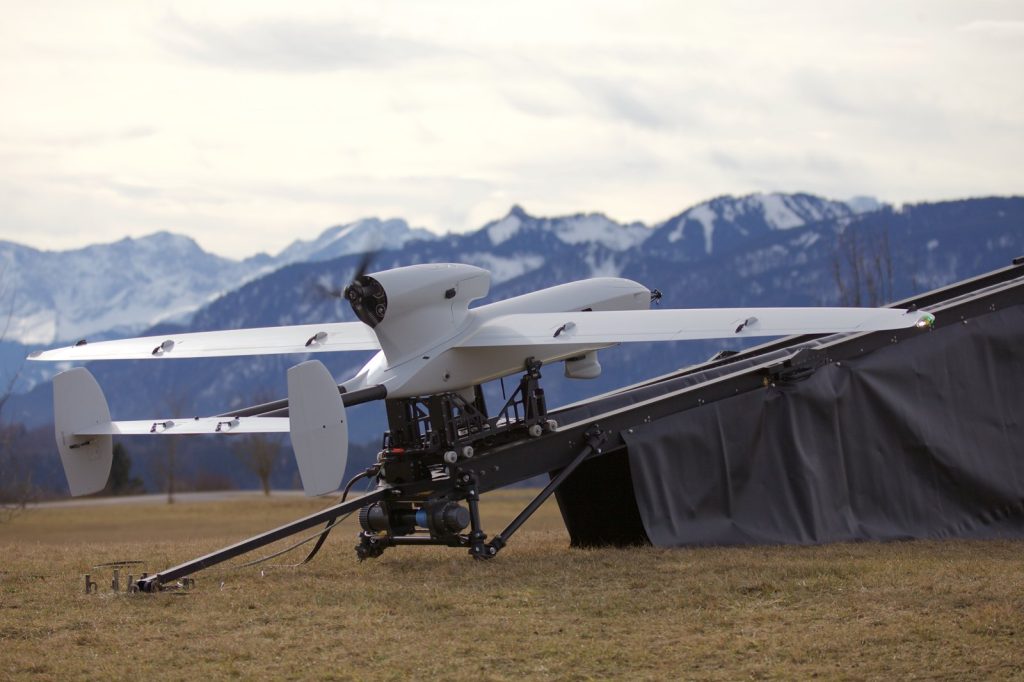
These drones could come from German manufacturers like Rheinmetall, which produces the Luna NG drone, or from international partners. That procurement flexibility matters.
It suggests Berlin is looking for the fastest route to get hardware into Ukrainian hands, rather than insisting on a single domestic supply chain. For a war that has settled into a largely static front line—with heavy fighting concentrated in eastern Ukraine’s Donetsk and Luhansk regions, plus the southern Zaporizhzhia area—drones offer a tactical edge that traditional artillery sometimes cannot.
What the drones mean for the battlefield
The impact of these 50,000 drones will hinge on two variables: their specific capabilities and how effectively Ukraine integrates them into its existing operations. Drones have already reshaped this war, used for reconnaissance, artillery spotting, and direct strikes. A surge of 50,000 units could allow Ukrainian forces to maintain pressure on Russian supply lines and command posts without risking as many soldiers in direct assaults.
Russia, meanwhile, is not standing still. Moscow’s defense spending in 2024 was estimated at 10.8 trillion rubles, roughly $120 billion, according to Russian government data.
That is a massive war chest, and it has kept Russian forces supplied despite heavy losses. The drone pledge from Germany is part of a broader Western effort to ensure Ukraine can match that endurance through 2025 and beyond.
The bigger Western picture
This is not a standalone move. The United States approved $61 billion in aid for Ukraine in April 2024, a package that included artillery shells, air defense systems, and armored vehicles. Germany’s drone commitment adds a faster, more agile layer to that heavy hardware.
The trend underneath is clear: Western allies are trying to shift Ukraine’s arsenal toward systems that are cheaper, harder to intercept, and quicker to deploy than traditional tanks and howitzers. The war began on February 24, 2022, and has since evolved through multiple phases—from Russia’s initial assault on Kyiv, to Ukraine’s counteroffensives in Kharkiv and Kherson, to the current grinding war of attrition in the east and south.
Drones have been a constant through all of it, but never at this scale from a single European ally.
What to watch next
Watch this space for how quickly these drones actually reach the front. The gap between a pledge and a delivery has been a recurring frustration in this conflict. If Germany can move from announcement to deployment in months rather than years, it could set a new benchmark for Western military aid.
If delays mount, the static front line may stay static—but at a higher cost in Ukrainian lives. The trend underneath is that drone warfare is no longer experimental.
It is industrial. And 50,000 units from one country alone is a signal that the allies are betting big on speed over mass.




