
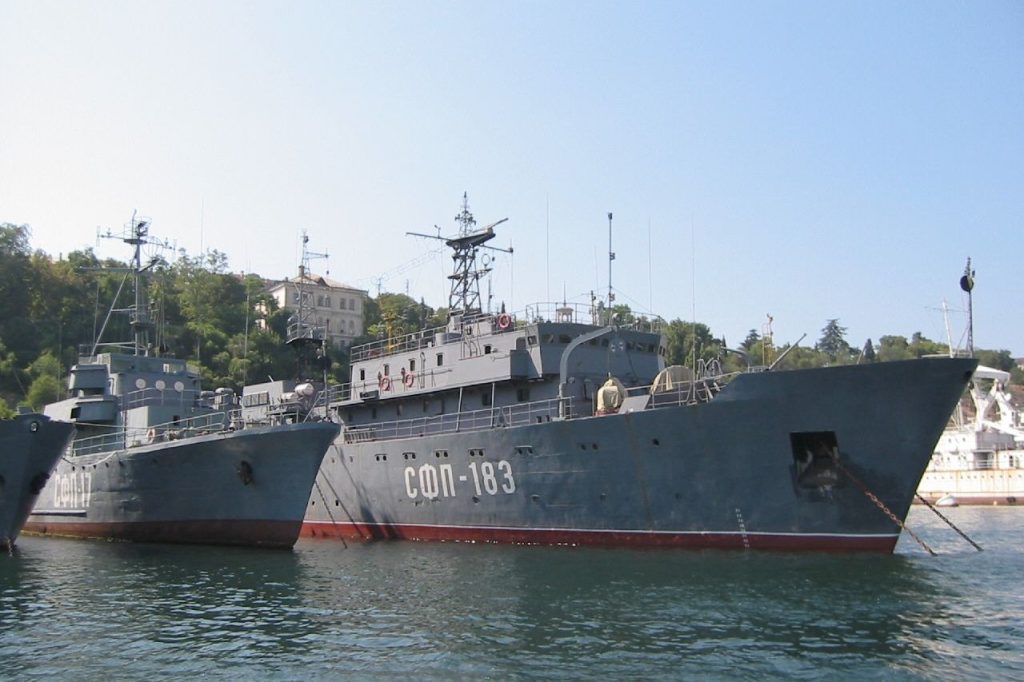
KYIV, July 9 — The shift is unmistakable. Ukraine’s military has fundamentally changed the tempo of naval warfare in the Black Sea, and the data now makes that impossible to ignore. While the full-scale invasion began on February 24, 2022, the period of late summer 2023 marked a turning point—a concentrated, high-intensity campaign against the Russian Black Sea Fleet that has reshaped the strategic calculus for both sides.
On August 4, 2023, Ukraine’s military reported that its forces had struck 21 Russian naval vessels over a 72-hour period. That figure represents the highest tempo of naval strikes since the war began.
The targets included landing craft and patrol boats, hit by a combination of unmanned surface drones and missiles. The fleet, headquartered in Sevastopol, Crimea, has been a priority target since the invasion started, but this concentrated barrage signaled a new phase in the conflict. The Black Sea Fleet’s losses did not begin in 2023.
In April 2022, Ukraine sank the flagship Moskva, a devastating blow to Russian naval prestige. Other vessels have been damaged in subsequent operations.
But the 72-hour campaign in early August 2023 was different in scale and intensity. It was not a single dramatic strike but a sustained, multi-day assault that demonstrated a new operational capability. Russia has not confirmed the losses from that period.
However, satellite imagery and open-source intelligence have verified damage to multiple ships. The combination of drone and missile attacks, targeting both vessels and port infrastructure in Crimea and Novorossiysk, Russia, suggests a coordinated strategy rather than opportunistic hits. What’s changing is the strategic purpose behind these strikes.
Ukraine’s defense ministry stated that the operations were part of a broader effort to degrade Russian naval capabilities and protect maritime trade routes. The Black Sea is critical for grain exports, and Ukraine has sought to challenge Russia’s naval dominance to secure shipping lanes.
This is not abstract naval theory—it is about keeping grain moving to global markets. The trend underneath is a shift toward asymmetric naval warfare. Ukraine, lacking a traditional blue-water navy, has invested heavily in unmanned surface vessels and precision missile systems.
The 72-hour campaign demonstrated that these systems can be employed in sustained, high-tempo operations against a conventional fleet. Watch this space for how other navies study these tactics.
For Russia, the implications are significant. The Black Sea Fleet has been a cornerstone of Moscow’s power projection in the region. Its degradation limits Russia’s ability to enforce blockades, threaten amphibious landings, or project force beyond Crimea.
The strikes on port infrastructure in Novorossiysk—a key Russian logistics hub—further complicate Moscow’s naval operations. The Ukrainian military’s August 2023 report remains one of the most detailed public accounts of the campaign. It documented strikes against 21 vessels over three days, a pace that has not been repeated since.
Whether this represents a peak in Ukrainian naval operations or a template for future campaigns is the open question. What comes next will depend on several factors.
Ukraine’s ability to sustain production of drones and missiles, Russia’s capacity to repair damaged ships and protect its remaining vessels, and the broader strategic situation on land will all shape the Black Sea naval balance. The grain corridor remains a critical economic and humanitarian concern, and Ukraine has made clear it will continue operations to keep it open. The shift in the Black Sea is not just about ships and missiles.
It is about who controls the sea lanes, who can move grain, and who can project power. Ukraine has demonstrated that a smaller force, armed with the right technology and tactics, can challenge a larger navy.
That lesson will echo beyond this conflict.




