
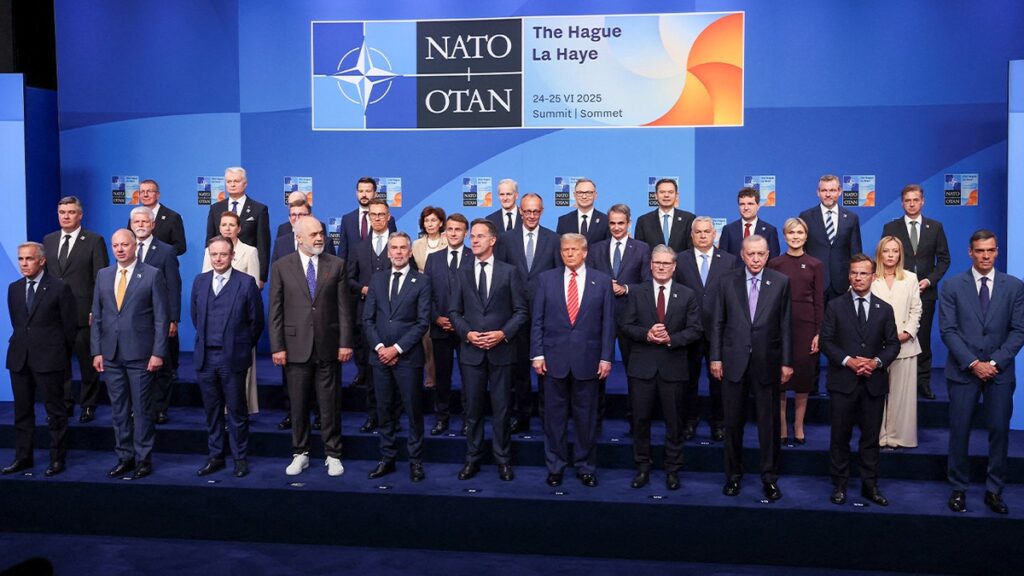
BRUSSELS, July 6 — Against the backdrop of a shifting transatlantic landscape, NATO faces one of its most delicate balancing acts in years as it prepares for its upcoming summit. The alliance’s core principle of consensus—requiring all 32 member states to agree on major decisions, including summit agendas and speaker invitations—now collides with the political reality of a potential return to the White House of a U.S. president who has questioned the alliance’s value.
The decision to bar Ukrainian President Volodymyr Zelensky from addressing the summit reflects concerns about alienating a potential future U.S. administration. It is a move born not of hostility toward Kyiv, but of strategic caution: the fear that a high-profile appearance could alienate a future Trump administration, as Trump’s return to the White House could shift U.S. policy toward both NATO and Ukraine.
NATO Secretary General Jens Stoltenberg, who has led the alliance since October 1, 2014, has emphasized the importance of U.S. leadership. His tenure has been defined by efforts to hold the alliance together through multiple crises. The summit is nonetheless expected to announce a new package of support for Ukraine.
This includes long-term security commitments and a NATO-led mission to coordinate training and equipment deliveries. Yet, crucially, the alliance will stop short of offering Ukraine a formal membership invitation.
For European allies, this represents a familiar frustration. But the alliance operates by consensus, and one member—the United States—holds the key. What remains to be seen is whether the package of security commitments will be enough to reassure Kyiv, or whether it will be read as a sign of Western hesitation.
In the corridors of NATO headquarters, diplomats are working to frame the summit as a demonstration of unity. As the summit approaches, the question of how to balance support for Ukraine with the need to maintain internal cohesion will dominate the agenda. For now, the alliance is choosing caution over confrontation—but the cost of that choice may only become clear in the months ahead.




