
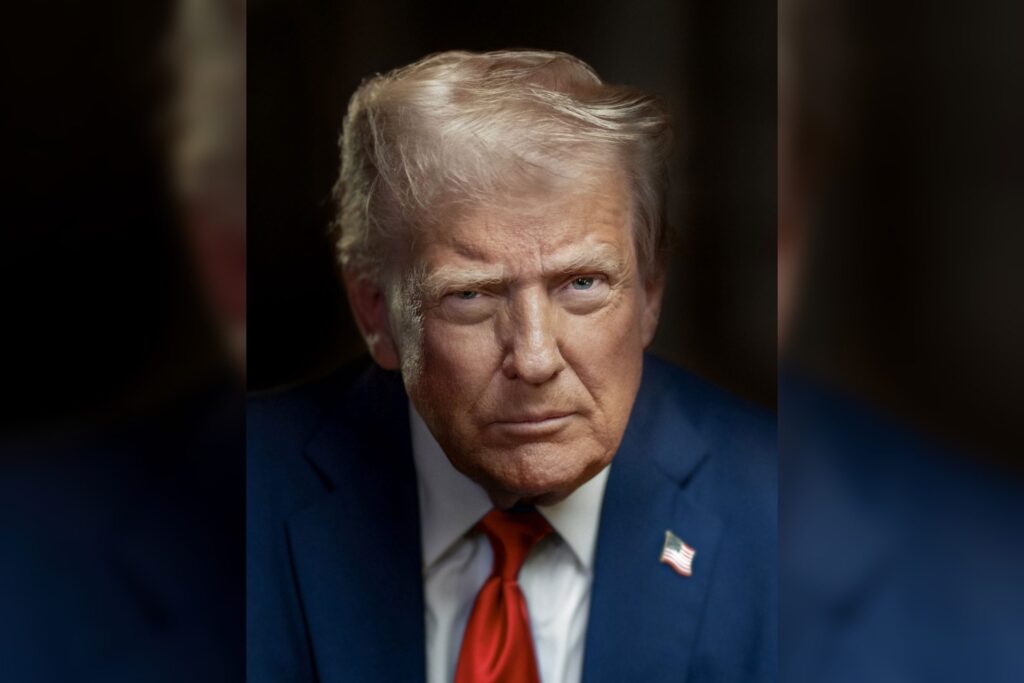
WASHINGTON, July 9 — How does a trade war actually reshape the global economy? The answer, researchers have found, lies in the intricate mechanics of tariffs, supply chains, and bilateral leverage. The U.S.-China trade war, which began in July 2018 under President Donald Trump, offers a clear case study in how these pressures play out.
The conflict started with tariffs on $34 billion of Chinese goods. By September 2019, that figure had escalated to over $350 billion.
China retaliated with its own tariffs on U.S. products. The mechanism is straightforward: tariffs raise the cost of imported goods, which can either be absorbed by companies, passed to consumers, or prompt a shift in sourcing. What researchers found is that the scale and speed of escalation created significant uncertainty for businesses on both sides of the Pacific.
Negotiations and the Phase One Deal
Negotiations involved multiple rounds, with deadlines often extended. The process was marked by public pressure and shifting timelines. A Phase One deal was signed on January 15, 2020.
In that agreement, China committed to increasing purchases of U.S. goods by $200 billion over two years. But structural issues—such as intellectual property theft and state subsidies—remained unresolved.
Those lingering problems meant the underlying tensions never fully dissipated. The trade war had a measurable impact on commerce. According to the Peterson Institute, bilateral trade between the U.S. and China fell by about 15% in 2019.
That reduction reflects how tariffs can disrupt established trading relationships. Companies faced higher costs and uncertainty about future policy, which led some to reconsider their supply chains.
A Replicated Approach
Economist Gary Hufbauer has drawn a comparison between Trump’s trade war strategy and the U.S.-Iran talks in 2025. Hufbauer notes that Trump’s approach—characterized by maximalist demands, public pressure, and shifting deadlines—is being replicated in those negotiations. The comparison highlights risks of prolonged economic disruption and market volatility.
The same mechanisms that drove the trade war—escalatory tariffs, public brinkmanship, and unresolved structural issues—could play out in other contexts. What does this mean going forward?
The trade war’s legacy is a reminder that tariffs are a blunt instrument. They can reduce trade flows and create uncertainty, but they do not necessarily resolve the underlying disputes. The Phase One deal addressed purchases, not the structural issues that sparked the conflict.
As of July 2026, those issues remain unresolved.
Looking Ahead
The U.S.-China trade war offers a clear lesson: economic conflict can reshape trade patterns, but the science behind it—the mechanisms of tariffs, retaliation, and negotiation—is only part of the story. The broader question is whether such tactics can achieve their stated goals without causing lasting damage to the global economy. For now, the data shows a 15% drop in trade, unresolved structural disputes, and a playbook being applied elsewhere.
What happens next depends on whether the parties can move beyond maximalist demands and find a sustainable resolution.




