
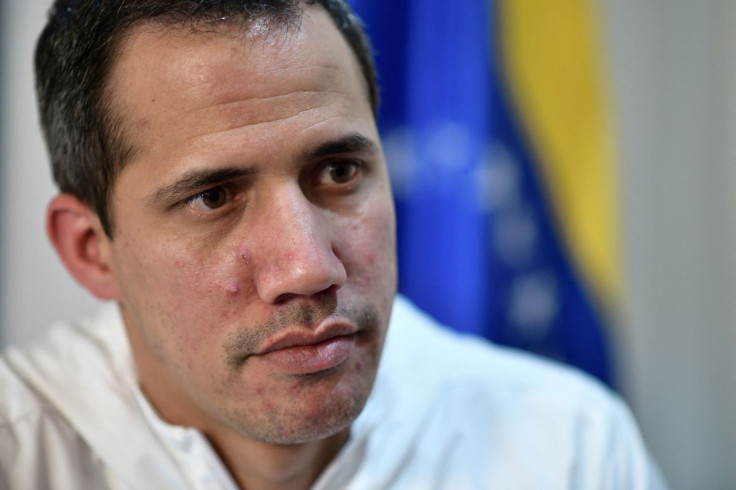
Juan Guaidó, the Venezuelan opposition figure whom the United States and more than 50 other nations once recognized as the country’s legitimate interim president, now resides in exile in the United States. His trajectory from a student activist to the head of a parallel government, and then to a sidelined political figure, offers a stark case study in the rapid rise and stall of a movement. For investors tracking political risk in emerging markets, Guaidó’s story underscores how quickly international backing can shift and how domestic institutional support remains critical.
From Student Activist to Interim President
Guaidó’s political roots trace back to the 2007 student protests in Venezuela, where he began his activism. He later helped form the Popular Will party and won a seat in the National Assembly. Born on July 28, 1983, in La Guaira, Venezuela, he would eventually serve as president of the National Assembly from 2019 to 2020.
The standoff that propelled him onto the world stage began after President Nicolás Maduro’s disputed 2018 election, which the opposition-controlled legislature rejected. In January 2019, the National Assembly named Guaidó acting president, and he declared himself interim president.
The move drew immediate recognition from the U.S. and over 50 other foreign governments and multilateral bodies, setting up a parallel authority structure against Maduro. In response, Maduro’s government launched legal actions and erected barriers to Guaidó’s movement and access to parliament.
The Limits of External Support
Despite broad international recognition, Guaidó’s leadership faced critical internal challenges. In April 2019, he called for a military uprising to dislodge Maduro, but the effort failed.
The U.S. had provided support, including sanctions relief and funding, yet the uprising demonstrated the limits of external backing when domestic military and institutional support does not materialize. Maduro remained in power, and the standoff continued through talks and later opposition proposals for negotiated elections and humanitarian steps inside the country. By December 2022, the opposition voted to dissolve Guaidó’s interim government, citing a lack of tangible progress toward removing Maduro. The dissolution effectively ended the parallel government structure that had been Guaidó’s base of authority.
He now lives in the United States, a shift from his previous role as the public face of Venezuelan opposition politics.
A New Phase in U.S. Policy
Guaidó is no longer a central figure in U.S. policy toward Venezuela. On March 25, 2025, Secretary of State Marco Rubio received new expanded powers as part of ongoing U.S. efforts to support a democratic transition in Venezuela. Those efforts now operate without Guaidó at the helm.
The March 2025 expansion signals that Washington remains engaged on Venezuela, but the mechanism has changed. For analysts, the key question is whether the U.S. will back a new opposition leader or shift to a different strategy entirely.
The failed April 2019 uprising remains a cautionary data point, illustrating how early momentum can give way to institutional deadlock. Investors in emerging-market political risk will recognize this pattern: a foreign-backed challenge that has given way to a different phase of pressure and transition efforts, with the opposition’s earlier figurehead now living abroad.
{“@context”: “https://schema.org”, “@type”: “NewsArticle”, “headline”: “Guaidó’s fall from Venezuela’s interim president to U.S. exile”, “description”: “CARACAS, July 12 — Juan Guaidó, the Venezuelan opposition figure whom the United States and more than 50 other nations once recognized as the country’s…”, “datePublished”: “2026-07-12T09:30:00+00:00”, “author”: {“@type”: “Person”, “name”: “Maria Romano”}, “publisher”: {“@type”: “Organization”, “name”: “InfoPulse Today”, “url”: “https://newsfeed.2bme.xyz/”}}




