
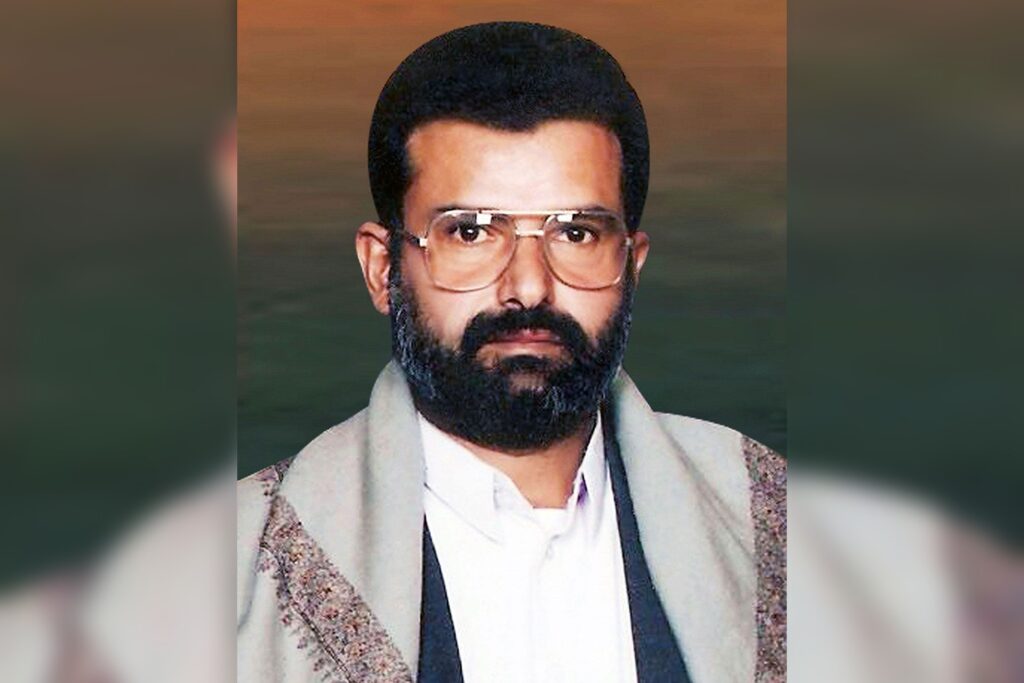
SANAA, July 21 — The war in Yemen, a conflict that has reshaped the lives of millions, remains defined by the Houthi movement — a group that emerged in the 1990s as a Zaidi Shia revivalist movement. Known officially as Ansar Allah, the Houthis launched an insurgency against the Yemeni government in 2004, led by Hussein al-Houthi. He was killed by government forces that same year, and his brother, Abdul-Malik al-Houthi, took over leadership.
By September 2014, the group had seized control of Sanaa, the capital, prompting a Saudi-led military intervention in March 2015.
The Human Cost
For Yemeni families, the war has brought unimaginable loss. The United Nations has estimated that by 2022, the conflict had caused over 377,000 deaths. Sixty percent of those fatalities came from indirect causes — hunger, disease, and the collapse of basic services.
Children, the elderly, and the sick have been particularly vulnerable. The healthcare system, already fragile, has been pushed to the breaking point.
Behind each of these figures is a parent who lost a child, a community that buried its neighbours, a family displaced from their home.
Escalation Beyond Borders
Since 2015, the Houthis have fired ballistic missiles and drones at Saudi Arabia and the United Arab Emirates, drawing regional powers into a protracted confrontation. Then, in November 2023, the group began targeting commercial ships in the Red Sea with missiles and drones. The Houthis claimed these attacks were an act of solidarity with Palestinians in Gaza.
The Red Sea, a vital artery for global trade, suddenly became a zone of peril for merchant vessels. The international community responded with increased naval patrols and warnings to shipping companies.
Military support from Iran has bolstered the Houthis’ capabilities. Tehran has provided advanced drones and anti-ship missiles, enabling the group to threaten maritime traffic with greater precision and range. This Iranian backing has been a consistent factor in the conflict, raising concerns in Western capitals about Tehran’s expanding influence across the Middle East.
Territory and Control
As of 2025, the Houthis control about thirty percent of Yemen’s territory. This includes Sanaa and the strategic port of Hodeidah on the Red Sea coast. Hodeidah is crucial for humanitarian aid deliveries, and the group’s hold on it has complicated relief efforts.
The United Nations and aid organizations have repeatedly urged all parties to allow uninterrupted access for food and medicine. The war has mired Yemen in a complex stalemate.
Despite years of Saudi-led airstrikes and ground operations, the Houthis have not been dislodged from their strongholds. Peace talks have faltered, and ceasefires have proved fragile. The group’s leadership under Abdul-Malik al-Houthi remains defiant, insisting on its right to rule the areas it controls.
Looking ahead, the humanitarian crisis shows no signs of abating. The Red Sea attacks continue to disrupt shipping, and the risk of a wider regional conflict persists.
For the people of Yemen, the promise of peace remains elusive. The world watches as a conflict that began with a small revivalist movement in the 1990s has grown into one of the most devastating wars of the twenty-first century, with ordinary Yemeni families bearing the heaviest burden.
Sources
{“@context”: “https://schema.org”, “@type”: “NewsArticle”, “headline”: “Houthi Movement: From Yemeni Rebellion to Regional Threat”, “description”: “SANAA, July 21 — The war in Yemen, a conflict that has reshaped the lives of millions, remains defined by the Houthi movement — a…”, “datePublished”: “2026-07-21T09:30:00+00:00”, “author”: {“@type”: “Person”, “name”: “James Roberto”}, “publisher”: {“@type”: “Organization”, “name”: “InfoPulse Today”, “url”: “https://newsfeed.2bme.xyz/”}, “citation”: [{“@type”: “CreativeWork”, “url”: “https://en.wikipedia.org/wiki/Houthi_movement”}]}




