
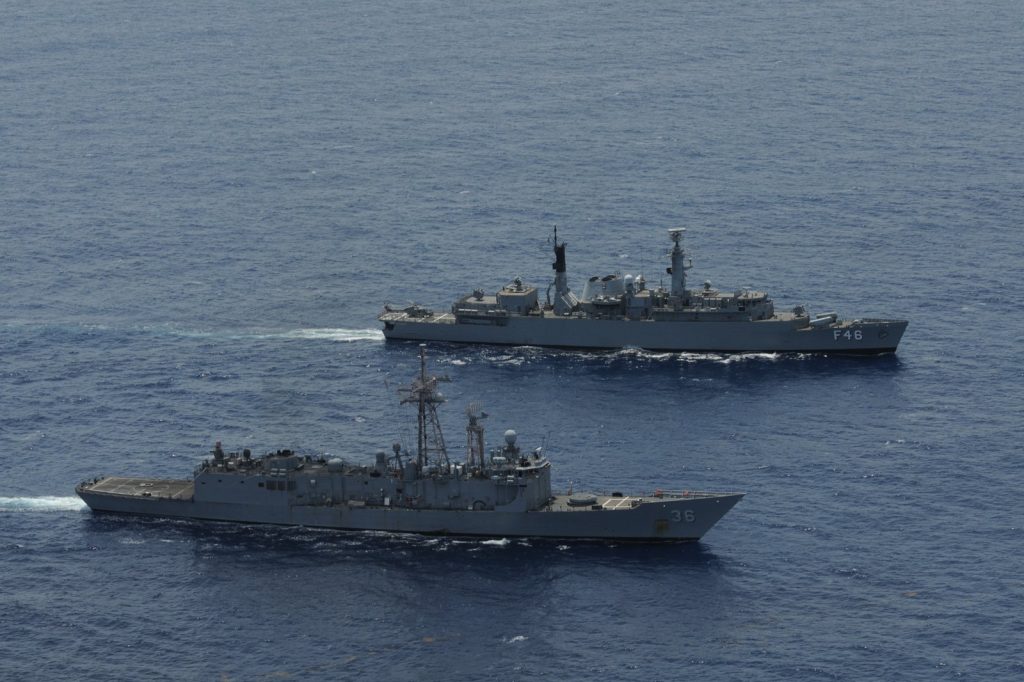
WASHINGTON, July 7 — A U.S. defense intelligence assessment has identified a pattern of escalating Iranian naval activity in the Strait of Hormuz, according to a Pentagon filing reviewed by InfoPulse Today. The report, dated late last week, warns that small attack craft and naval mines now pose a heightened risk to commercial shipping in the strategic waterway. The Strait, 21 miles wide at its narrowest point, has historically proven vulnerable to disruption by precisely such assets.
The filing notes that Iranian forces have deployed additional fast-attack vessels to staging areas along the Iranian coastline, though it does not specify exact numbers. Sources familiar with the assessment say the activity mirrors patterns observed before previous confrontations.
On the timeline, the current tensions mark a sharp reversal from the relative calm that followed the 2023 China-brokered rapprochement between Iran and Saudi Arabia. That diplomatic opening had temporarily reduced frictions in the region. The record shows that the Strait has been a focal point of U.S.-Iran tensions for decades.
A History of Confrontation
The Pentagon filing places the current situation in the context of a long history of hostilities. In 1988, during the Iran-Iraq War, the U.S. Navy engaged Iranian forces in Operation Praying Mantis, sinking several Iranian vessels. Between 2011 and 2012, Iran threatened to close the Strait in response to Western sanctions imposed over its nuclear program.
The U.S. and its allies responded with increased naval deployments. In 2019, Iran seized several oil tankers, including the British-flagged Stena Impero, prompting the formation of the International Maritime Security Construct, or IMSC, led by the United States.
The current attacks, according to the filing, indicate a return to that pattern of confrontation. The assessment notes that the narrow geography of the Strait makes it inherently susceptible to disruption by small, fast attack craft and naval mines—both of which Iran has demonstrated the ability to deploy effectively.
What Comes Next
The Pentagon filing does not specify what response the administration is considering. The U.S. Navy maintains a continuous presence in the region, and the IMSC remains operational. Sources familiar with the matter say the assessment has been circulated to senior officials at the State Department and the National Security Council.
The Strait of Hormuz handles roughly one-fifth of the world’s petroleum consumption. Any sustained disruption would have immediate effects on global energy markets.
The record shows that previous Iranian threats to close the waterway have consistently drawn a robust U.S. and allied naval response. For now, the filing recommends increased surveillance of Iranian naval staging areas and heightened readiness among allied forces in the region. The situation remains fluid, and the administration is expected to provide additional details in the coming days.




