
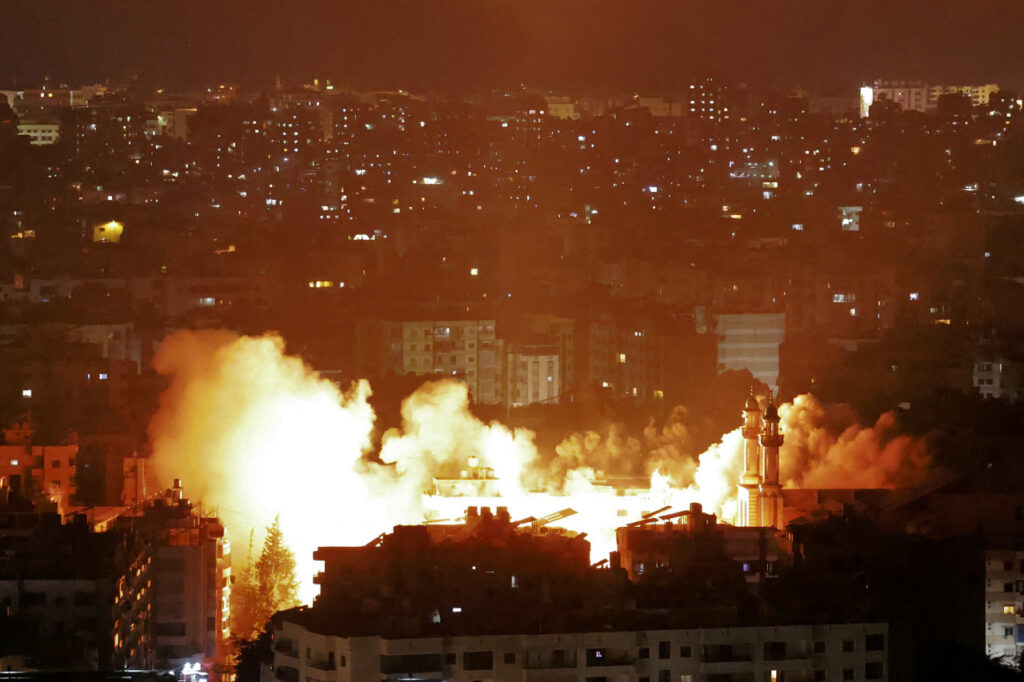
On 10 November 2024, an Israeli airstrike demolished a house in Gaza City, killing Hamas minister Wael al‑Khour, his wife and their three children. The operation was described as a targeted effort against a senior official of the Hamas‑run administration, and the loss of a minister represents a notable setback for the group.
Gaza City, the capital of the Gaza Governorate, has a population of 590,481 according to a 2017 census. The coastal city, which has been governed over millennia by Egyptians, Philistines and Romans, has become a focal point of the current conflict. The war has already forced large numbers of residents to flee, and essential supplies such as food, water and medicine remain scarce.
The airstrike that destroyed al‑Khour’s home adds a personal tragedy to the broader humanitarian crisis. The death of the minister, his spouse and three children underscores the human cost of the fighting and highlights how civilian lives continue to be caught in the crossfire.
Politically, the strike has sparked immediate reactions. Tehran condemned the attack, labeling it a “criminal act” and a breach of international law. Iran, which has faced accusations of providing financial and military assistance to Hamas, used the incident to reaffirm its public opposition to Israel, despite ongoing criticism of its own human‑rights record.
In Washington, the U.S. president has been briefed on the development, and American officials are monitoring the situation closely. No official response or policy shift has been announced, and the Israeli government has not issued a public comment on the operation, though unnamed sources confirm the target was a high‑level Hamas figure.
The removal of a minister from Hamas’s governing body is viewed by Israeli strategists as a tactical gain. However, analysts warn that the strike could raise the likelihood of retaliation. Hamas may feel compelled to launch a significant response, potentially expanding the scope of hostilities and increasing civilian casualties in Gaza.
Gaza City’s long history—as a strategic Mediterranean port dating back to at least the 15th century BC—contrasts sharply with its present status as a war zone. The city, once a hub of trade and culture, now endures relentless bombardment, displacement and shortages of basic necessities.
The al‑Khour family’s deaths serve as a stark illustration of the chaos enveloping the enclave. While the strike is a single event, it fits within a broader pattern of escalating violence that has left the population under siege and the humanitarian situation deteriorating. Looking ahead, the region faces an uncertain trajectory.
The United States continues to observe developments, Iran maintains its condemnation of Israel, and the Israeli side remains silent on the specific operation. Hamas must now contend with the loss of a senior official while navigating pressure to respond.
As the conflict intensifies, the tragedy in Gaza City on 10 November marks more than a tactical victory; it signals a potential turning point in an already volatile war. The human toll rises, and the prospect of further escalation looms, leaving the people of Gaza and the wider Middle East bracing for what may come next.




