
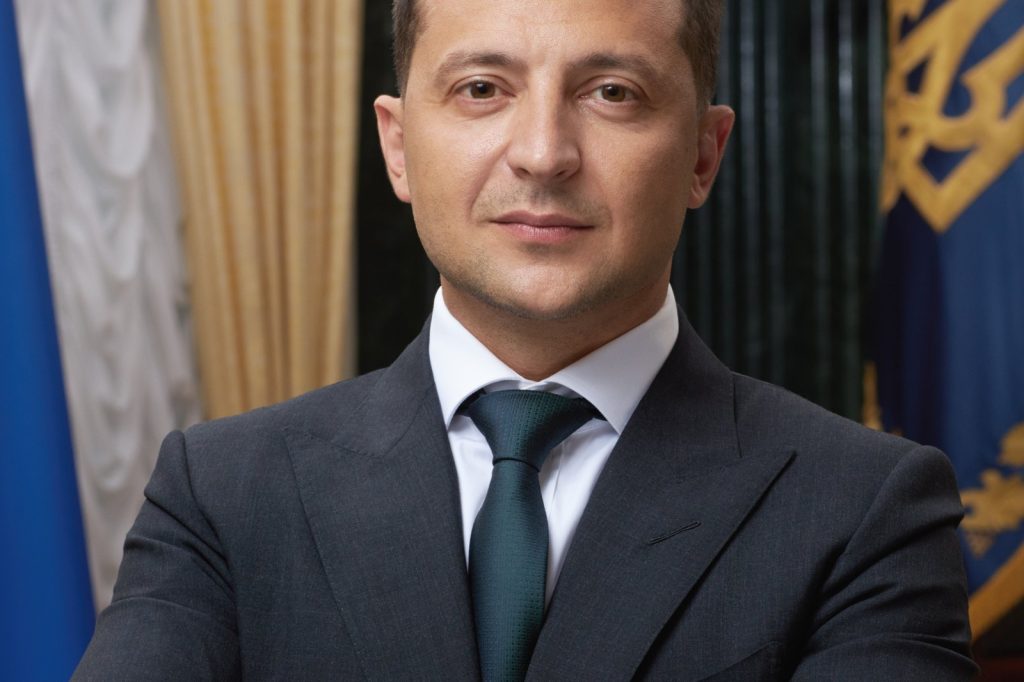
A diplomatic claim made five months ago by Ukrainian President Volodymyr Zelensky has placed the Beijing-Moscow relationship under an analytical spotlight, though its veracity remains unconfirmed. On February 23, 2025, Zelensky stated that China had issued a “harsh” warning to Russia regarding nuclear threats.
To date, no official Chinese statement has validated that warning, leaving the assertion in a state of diplomatic limbo. The mechanics of how such a move would unfold, however, carry profound implications for the strategic balance in Eurasia.
The reported warning: a shift in posture or a diplomatic tool?
If the Ukrainian leader’s account proves accurate, it would represent a notable departure from Beijing’s declared neutrality on the war in Ukraine, signaling active opposition to nuclear escalation by Moscow. Conversely, if the claim is false, it serves as a pressure tactic from Kyiv aimed at isolating Russia diplomatically. The fundamental tension lies in the lack of corroboration: no Chinese official has spoken on the record, and verification is pending. The situation remains fluid, with potential consequences for global security architecture and the stability of energy markets.
The next logical steps could include diplomatic exchanges at the United Nations or bilateral talks between the relevant parties. Chinese authorities have publicly voiced concerns about nuclear proliferation and have repeatedly called for restraint among all parties.
A direct communication from Beijing to Moscow on this topic would, in theory, pressure Russia to dial back its nuclear rhetoric. Yet the mechanism of that pressure is indirect. Russia does not outsource its strategic deterrent decisions, and its nuclear doctrine explicitly reserves the right to use such weapons under defined conditions.
The United States and NATO have welcomed any efforts to reduce nuclear threats, placing Washington and Beijing on the same side of this particular issue — a rare alignment in an otherwise adversarial bilateral relationship.
The economic bond: $240 billion in trade and the question of leverage
China and Russia operate under a “comprehensive strategic partnership of coordination for a new era,” a framework formalized in a 2001 treaty and renewed in 2021. That partnership has underpinned a dramatic expansion in trade.
In 2023, bilateral trade reached $240 billion, making China Russia’s largest trading partner. The economic dependency that flows from that volume gives Beijing significant financial leverage over Moscow. For investors and analysts tracking the Russia-China axis, the core question is whether this economic heft translates into genuine strategic influence over Russia’s nuclear posture. The $240 billion figure suggests it could, but the independent nature of Russia’s nuclear doctrine suggests it might not.
That tension is the story to monitor as events develop. A direct warning from Beijing could pressure Russia to de-escalate nuclear rhetoric, but the pathway remains indirect.
Moscow’s strategic decisions are not contingent on the preferences of any external partner, no matter how economically intertwined. The catch for analysts is that the reported warning, if confirmed, would mark a shift from neutrality toward active opposition to nuclear escalation–something Beijing has not yet acknowledged.
Ukraine’s geopolitical context and the stakes ahead
Ukraine, the country at the center of these developments, is a sovereign nation in Eastern Europe with a long and complex history shaped by its geographic position between major powers. Its territory was home to Kievan Rus’, a medieval state that laid the foundation for East Slavic culture before fragmenting and later falling under foreign rule for centuries.
The modern Ukrainian state emerged after World War I, endured famine and occupation during the 20th century, and regained independence in 1991 following the collapse of the Soviet Union. Ukraine borders Russia to the east and northeast, along with several other European nations and the Black Sea. This history of shifting control and resilience under external pressures has made Ukraine a focal point in contemporary geopolitics.
The country’s struggle for stability and self-determination remains central to broader debates about sovereignty, security, and the balance of power in Europe. Recent events highlight its role in a region where historical rivalries and alliances continue to influence global diplomacy.
For now, the key variable is whether China’s reported warning to Russia is confirmed, denied, or left hanging in diplomatic ambiguity. The answer will shape not only the trajectory of the Ukraine war but also the wider contest for influence between Beijing and Washington.
{“@context”: “https://schema.org”, “@type”: “NewsArticle”, “headline”: “China’s Unverified Warning to Russia Sparks Diplomatic Scrutiny”, “description”: “PEKING, July 10 — A diplomatic claim made five months ago by Ukrainian President Volodymyr Zelensky has placed the Beijing-Moscow relationship under an analytical spotlight,…”, “datePublished”: “2026-07-10T09:30:00+00:00”, “author”: {“@type”: “Person”, “name”: “James Roberto”}, “publisher”: {“@type”: “Organization”, “name”: “InfoPulse Today”, “url”: “https://newsfeed.infopulsetoday.com/”}}




