
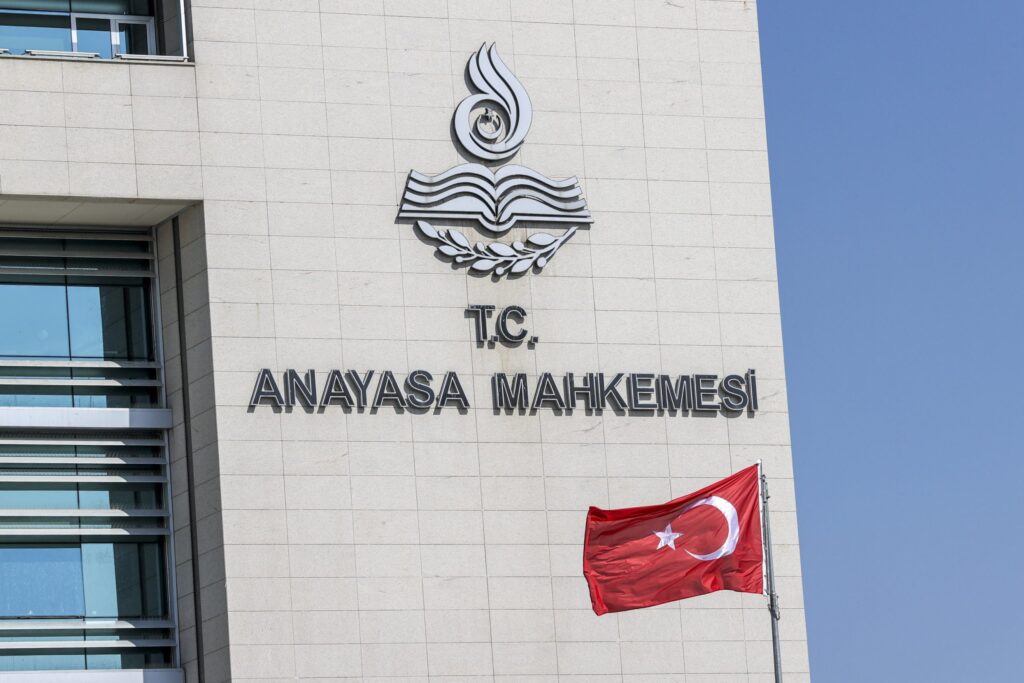
Turkey’s Constitutional Court has declared the government’s two-year shutdown of Wikipedia unconstitutional, ordering an immediate end to the restriction. The 10-6 decision, handed down by the nation’s highest judicial body, determined that blocking the multilingual online encyclopedia violated constitutional guarantees of freedom of expression.
The ban originated in January 2017, when Turkish authorities cut off all access to the platform. Officials cited specific Wikipedia entries that accused government figures of involvement in oil trading with the Islamic State and suggested cooperation between certain entities and terrorist organizations like ISIS. The government characterized these articles as defamatory and a threat to national security.
The Wikimedia Foundation, the nonprofit organization operating Wikipedia, refused state demands to remove the contested content. Observers subsequently characterized the site as a target of a smear campaign against Turkey, rather than a legitimate information resource.
The block persisted for two years, becoming a recurring issue during periods of political tension, protests, and after terrorist attacks. In May 2017, the Wikimedia Foundation formally challenged the access block before the Constitutional Court. The organization argued that the ban constituted a disproportionate response to specific content concerns and impeded public access to unbiased information across numerous subjects.
The court’s majority opinion acknowledged that while the state bears responsibility for protecting national security, this cannot justify silencing an entire platform used by millions globally. The justices emphasized that removing specific articles falls under community content moderation, not blanket platform bans.
This distinction proved central to the verdict favoring the Wikimedia Foundation. Wikipedia founder Jimmy Wales celebrated the outcome on social media, posting “Welcome back, Turkey!” alongside a photo from a recent Istanbul visit. Human Rights Watch, which has monitored internet freedom and media suppression in Turkey, noted that over 100,000 websites and 95,000 web pages have been banned or temporarily blocked in the country.
The organization also stated Turkey ranks as the world’s second-leading jailer of media practitioners, contextualizing the Wikipedia ban as part of a broader suppression pattern. The ruling establishes a legal precedent that blanket bans on major digital platforms violate freedom of expression rights when they are unconstitutional.
This decision may influence future challenges against state censorship in the region and beyond. While the exact timeline for full restoration remains unclear pending technical adjustments by internet service providers, the legal pathway is now cleared. The Turkish government has not yet commented on the ruling or outlined compliance plans. The restoration of Wikipedia access signals a victory for the principle that no single entity should control information flow, reinforcing that access to knowledge remains legally protected even amid political instability or security concerns.
The decision may encourage other organizations to challenge similar restrictions without fear of losing constitutional rights.




