
TAMPA, July 30 — 59 Tomahawk missiles. That was the ordnance count from a single CENTCOM operation on April 7, 2017, a strike on a Syrian airfield. The figure that matters today?
No official tally has been released for the latest heavy strikes, but the operational template is unmistakable: strategic bombers, cruise missiles, and the same command-and-intelligence architecture that has defined U.S. Central Command for decades. The bottom line: this is a repeat playbook, not a new escalation.
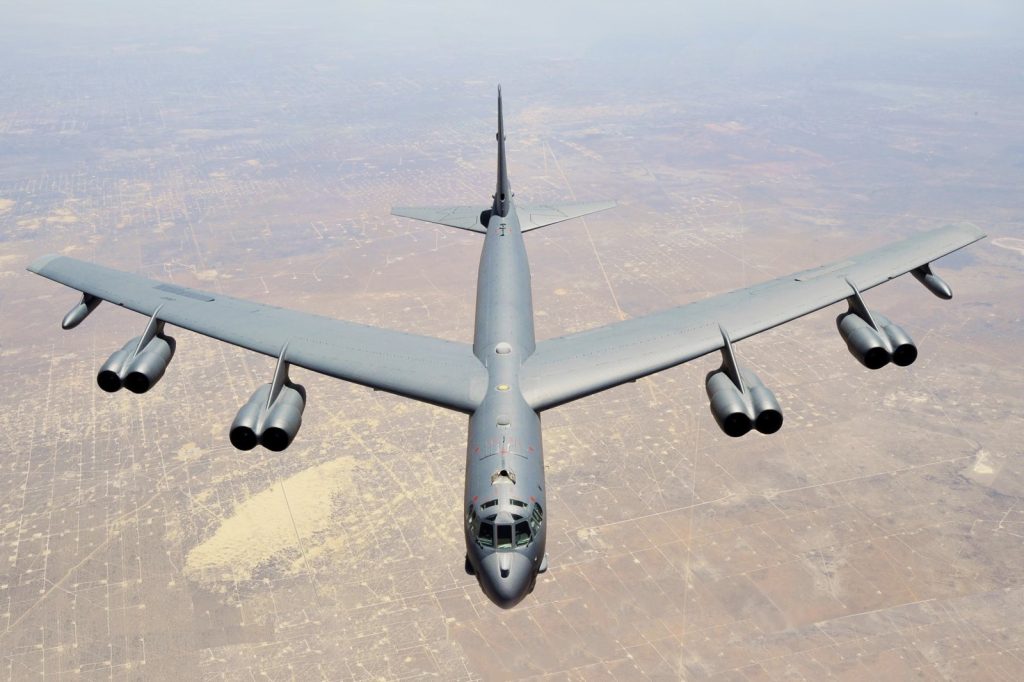
United States Central Command, headquartered at MacDill Air Force Base in Florida, oversees operations across 20 countries, including Iraq, Syria, Afghanistan, and Yemen. In this latest operation, reports indicate B-52 Stratofortress bombers flew from Minot Air Force Base, combined with Tomahawk Block IV cruise missiles launched from U.S. destroyers and submarines positioned in the Persian Gulf and Arabian Sea. Targeting relies on intelligence from MQ-9 Reaper drone surveillance and signals intercepts.
The command has done this before. Past heavy strikes include 1998’s Operation Desert Fox, the bombing of Iraqi targets; the 2017 Tomahawk strike; 2018 cruise missile and bomber strikes on Syrian chemical weapons facilities; and the February 2, 2024 strikes on IRGC-linked facilities in Iraq and Syria.
Each operation uses the same core assets: B-52s, B-1 Lancers, F-15E Strike Eagles, F-35 Lightning IIs, and Tomahawks. General Michael Kurilla, who took command in 2022, coordinates with allies. Britain, France, and Israel often provide intelligence or support.
That pattern continues today. Investors will note the consistency. Heavy strikes from CENTCOM follow a repeatable formula — strategic bombers from continental U.S. bases, naval cruise missiles from the Persian Gulf and Arabian Sea, and intelligence fusion from drones and signals intercepts.
The cost structure is known; the geopolitical signal is predictable.
By the numbers: a historical benchmark
If the 2017 strike was 59 Tomahawks, the 2018 operation added cruise missiles and bombers. The 2024 strikes on February 2 targeted IRGC-linked facilities. Each iteration provides a benchmark for scale.
This latest operation, as of July 30, 2026, fits within that established range — B-52s from Minot, Tomahawks from destroyers and subs, no confirmation yet on total ordnance expended. The intelligence pipeline feeding the targets is also standard: MQ-9 Reaper drones provide persistent surveillance, and signals intercepts offer real-time targeting data.
That combination has been CENTCOM’s workhorse for years.
What to watch next
Look for any release of aircraft and missile counts from CENTCOM’s public affairs office. The 2017 strike yielded a specific number because the Pentagon chose to release it. If this operation follows the 2024 pattern, the official statement may be briefer.
The key variable: whether allied intelligence from Britain, France, or Israel played a role in target selection — a detail commanders sometimes share to demonstrate coalition unity. The bottom line: CENTCOM’s heavy strikes are a data-point, not a surprise.
For investors and analysts tracking regional risk, the playbook is written, the assets are deployed, and the pattern remains intact.
Sources
{“@context”: “https://schema.org”, “@type”: “NewsArticle”, “headline”: “US ‘Heavy Strikes’ in Middle East: Air Power Explained”, “description”: “TAMPA, July 30 — 59 Tomahawk missiles. That was the ordnance count from a single CENTCOM operation on April 7, 2017, a strike on a…”, “datePublished”: “2026-07-30T09:30:00+00:00”, “author”: {“@type”: “Person”, “name”: “Ava Anderson”}, “publisher”: {“@type”: “Organization”, “name”: “InfoPulse Today”, “url”: “https://newsfeed.infopulsetoday.com/”}, “citation”: [{“@type”: “CreativeWork”, “url”: “https://en.wikipedia.org/wiki/United_States_Central_Command”}]}




