
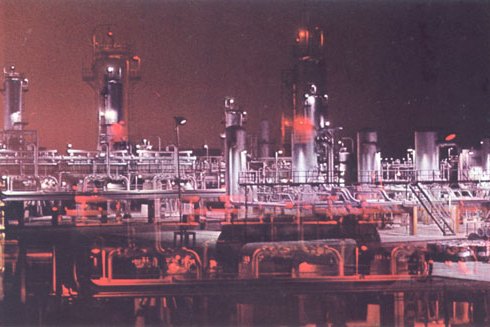
RIYADH, July 28 — The drone attacks that struck Saudi Arabia and Jordan on November 2, 2024 have left a lasting mark on global energy markets, and for communities across Asia, the ripples are still being felt. Saudi Arabia produces roughly 9 million barrels of crude per day and remains the world’s largest exporter, with its state company Aramco sitting on reserves exceeding 260 billion barrels. Jordan, which imports nearly all its energy, depends heavily on the Trans-Arabian Pipeline and seaborne crude — both of which came under threat that weekend.
A fragile energy artery
The strikes targeted infrastructure near Riyadh and along the Jordanian border, raising immediate fears of supply disruption. To understand the scale of potential damage, one need only recall the 2019 attack on Saudi Arabia’s Abqaiq facility — the world’s largest oil processing plant — which temporarily knocked out 5.7 million barrels per day, roughly half of Saudi output at the time. That attack caused the largest single-day oil price spike in history, with crude jumping $8 per barrel.
The November 2024 strikes did not cause a comparable outage, but they shook an already nervous market. By Monday, November 4, oil futures had climbed about 2%, with Brent crude trading above $85 per barrel. The attacks also threatened the Red Sea shipping lane, a critical artery for Asia-bound crude. Since October 2023, Houthi attacks have already forced vessels to avoid the Bab el-Mandeb strait, pushing shipping costs up by an estimated 15 to 20 percent.
Closer to home in Asia
For families and businesses across the region, the risk of a sustained campaign against Saudi and Jordanian energy infrastructure is deeply concerning. Energy markets are already tight due to ongoing OPEC+ production cuts and broader Middle East tensions. Analysts have warned that a prolonged disruption could push oil prices above $100 per barrel, feeding into global inflation and raising costs for everything from transport to food.
The United States holds 375 million barrels in its Strategic Petroleum Reserve, a tool that was tapped in 2022 to stabilise prices during the Russia-Ukraine crisis. But that reserve is limited, and drawing it down is a stopgap, not a permanent solution.
What the November attacks clearly demonstrated is the sheer vulnerability of energy infrastructure to drone swarms. For countries like the Philippines, Indonesia, and other Asian importers that rely on a steady flow of Middle Eastern crude, the threat is not abstract. It is a recurring and increasingly dangerous variable in the global energy equation. The next wave of strikes — if it comes — will test not only Saudi defences but also the resilience of supply chains that millions depend on.




