
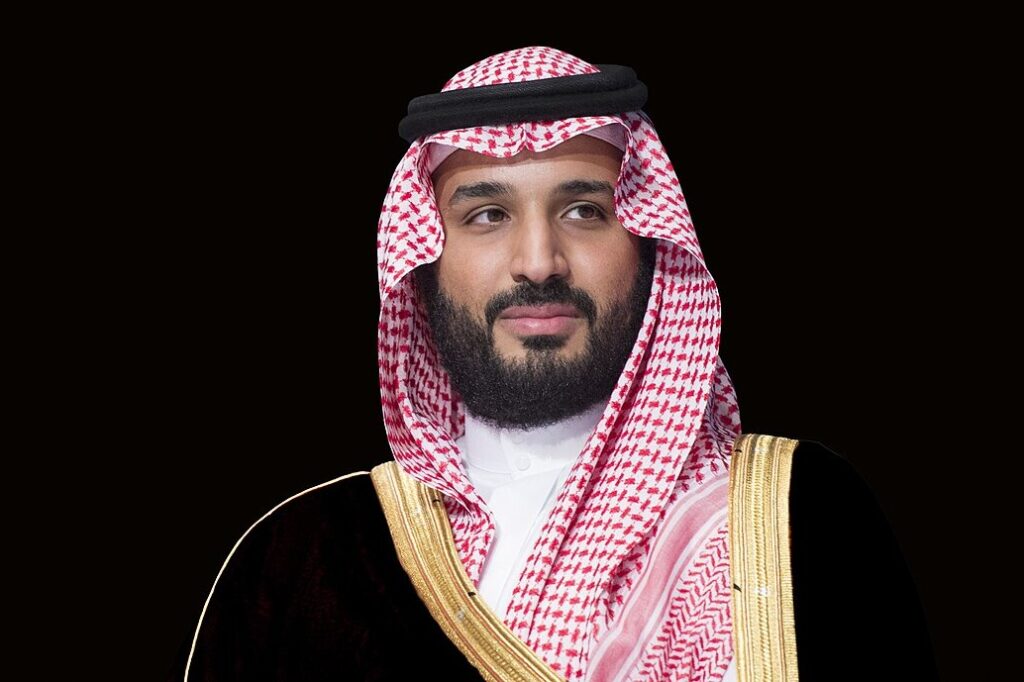
RIYADH, July 20 — For nearly a decade, the war in Yemen has unfolded as a grinding stalemate, and at its center stand two men whose decisions shape the fate of millions. On one side, Crown Prince Mohammed bin Salman, the 40-year-old de facto ruler of Saudi Arabia and architect of the military campaign against the Houthi movement. On the other, Abdul-Malik al-Houthi, the Zaydi Shia cleric who has led the Houthis since 2004, consolidating power through tribal alliances and Iranian support.
Their conflict, now entering a new phase of blockade and diplomatic maneuvering, carries consequences far beyond the battlefield.
Two leaders, two strategies
Mohammed bin Salman, born August 31, 1985, has overseen the Saudi Ministry of Defense since becoming the kingdom’s day-to-day leader in 2017. That same year, he authorized massive military spending, including a $110 billion arms deal with the United States. His approach to Yemen has been dual: sustained military pressure through airstrikes and a naval blockade of Houthi-held ports, combined with diplomatic outreach.
In March 2023, he pursued talks with Iran, the Houthis’ key backer, in negotiations brokered by China. On the Houthi side, al-Houthi, born in 1979 in Saada, Yemen, took command after his brother Hussein was killed by Yemeni forces.
The United States designated the Houthis as a terrorist organization in 2021, reversed that decision in 2022, but continues to maintain sanctions against al-Houthi personally. The blockade he has ordered now chokes key ports, compounding a humanitarian crisis that has already pushed millions of Yemenis to the brink of famine.
The toll on the ground
Behind the strategies and the sanctions, the human cost is severe and measurable, even if exact casualty figures remain contested. Saudi public opinion, once broadly supportive of the intervention, has grown weary of a conflict that has drained state resources and dragged on without clear resolution. Inside Houthi ranks, commanders have clashed over strategy, evidence of fractures beneath the surface of a movement that presents itself as unified.
The United States remains deeply involved, providing intelligence sharing, aerial refueling, and munitions to the Saudi-led coalition. The Trump administration, with President Donald Trump in office as of July 2026 and Secretary of State Marco Rubio, continues to navigate a relationship with Riyadh that balances arms sales and security cooperation against growing concern over civilian casualties in Yemen.
The UN Special Envoy for Yemen, Hans Grundberg, appointed in 2021, works to broker a durable cease-fire, but his efforts have yet to produce a lasting breakthrough.
Internal fractures and external pressures
Neither side is monolithic. Al-Houthi commands the Houthi movement but faces internal dissent from commanders who have disagreed over strategic direction. The group’s reliance on Iranian support has deepened its isolation internationally, even as the China-brokered talks between Riyadh and Tehran opened a channel that could alter the conflict’s trajectory.
For MBS, the challenge is twofold: maintain military pressure without alienating a domestic population tired of war spending, and keep diplomatic channels open without appearing to concede ground to an adversary his coalition has long sought to defeat. The naval blockade remains one of the most contentious elements of the conflict.
It restricts food, medicine, and fuel from reaching Houthi-controlled areas, a tactic designed to weaken the group militarily but one that international aid organizations have warned pushes civilians deeper into deprivation. The Houthi blockade, ordered by al-Houthi himself, has similarly disrupted the flow of goods, compounding a crisis where millions depend on imported aid to survive.
What to watch next
The coming months will test whether military pressure or diplomacy gains the upper hand. MBS has shown willingness to engage diplomatically, as the China-brokered talks with Iran demonstrated, but his willingness to lift the blockade or scale back airstrikes without concrete guarantees remains unclear. On the Houthi side, al-Houthi’s grip on power, forged through years of conflict and external backing, faces its own tests from within.
Hans Grundberg’s mediation efforts continue, but with both sides still capable of inflicting pain and both facing internal pressures to hold firm, a comprehensive settlement remains elusive. For the families in Yemen, caught between a blockade, airstrikes, and a political deadlock that shows few signs of breaking, the war has no end in sight.
Sources
{“@context”: “https://schema.org”, “@type”: “NewsArticle”, “headline”: “Saudi Arabia, Houthis: Key figures in Red Sea blockade”, “description”: “RIYADH, July 20 — For nearly a decade, the war in Yemen has unfolded as a grinding stalemate, and at its center stand two men…”, “datePublished”: “2026-07-20T09:30:00+00:00”, “author”: {“@type”: “Person”, “name”: “James Roberto”}, “publisher”: {“@type”: “Organization”, “name”: “InfoPulse Today”, “url”: “https://newsfeed.2bme.xyz/”}, “citation”: [{“@type”: “CreativeWork”, “url”: “https://en.wikipedia.org/wiki/Mohammed_bin_Salman”}]}




