
MANILA, July 20 — The clash at Second Thomas Shoal on June 17 last year was, in many respects, a familiar one. Philippine authorities accused Chinese coast guard vessels of ramming a supply boat and using water cannons during a mission to resupply the small garrison stationed there. China’s own coast guard countered that the Philippine vessel had intruded into what it considers Chinese waters.
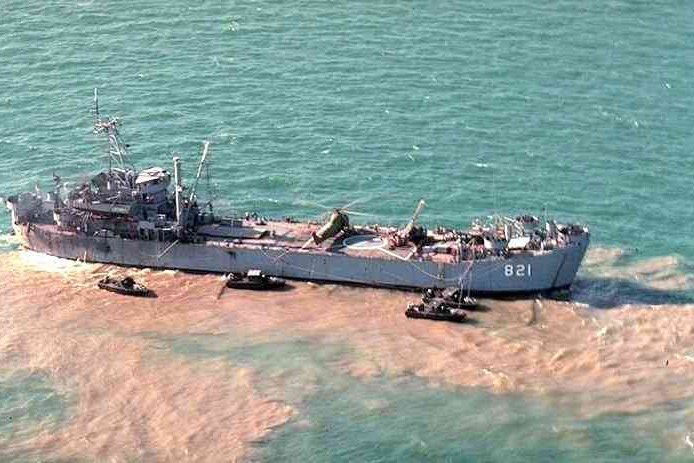
The encounter was the latest in a series of such incidents at a patch of reef that has been a flashpoint since 1999, when the Philippines deliberately ran the BRP Sierra Madre aground to establish a naval outpost.
The Incident
The details, as reported, are direct enough: a Philippine supply boat, a Chinese ramming, water cannons. For all the noise, the salient point is that neither side appears willing to back down. The Philippines insists on its right to resupply its garrison; China maintains that the shoal lies within the area it claims under the nine-dash line — a claim that the Permanent Court of Arbitration in The Hague invalidated in 2016.
That ruling declared Second Thomas Shoal part of the Philippines’ exclusive economic zone. China rejects the ruling entirely.
The legal position, therefore, remains unresolved on the ground, even if it is settled in international law.
Economic Stakes
The broader context is not merely territorial. The South China Sea is a critical artery for global commerce, carrying approximately $3.4 trillion in annual trade. That figure includes 40 per cent of global liquefied natural gas and 30 per cent of crude oil.
Any broader disruption would raise shipping costs and insurance premiums, and it would threaten energy security for China, Japan, and other regional economies. The fisheries dimension is also substantial: the South China Sea provides 12 per cent of the global fish catch.
These are not abstract numbers for policymakers in capitals from Tokyo to Canberra. It would seem that the incident has drawn attention well beyond the immediate participants. The United States reaffirmed its Mutual Defense Treaty commitments to the Philippines under the 1951 treaty.
ASEAN, the Quad, and international shipping firms are all monitoring the risks. The dispute, in other words, has become a regular item on the agenda of the region’s most important diplomatic groupings.
Looking Forward
For now, the situation at Second Thomas Shoal remains a test of resolve. The Philippines continues to hold its outpost; China continues to challenge resupply missions. The legal ruling from 2016 has not changed behaviour, and the economic costs of a serious escalation — higher insurance premiums, disrupted supply chains, potential energy shortages — are the kind of consequences that keep shipping executives and defence planners alike awake at night.
The next resupply mission, whenever it comes, will be watched closely.
Sources
{“@context”: “https://schema.org”, “@type”: “NewsArticle”, “headline”: “China-Philippines standoff risks $3.4T in South China Sea trade”, “description”: “MANILA, July 20 — The clash at Second Thomas Shoal on June 17 last year was, in many respects, a familiar one. Philippine authorities accused…”, “datePublished”: “2026-07-20T09:30:00+00:00”, “author”: {“@type”: “Person”, “name”: “Ethan Smith”}, “publisher”: {“@type”: “Organization”, “name”: “InfoPulse Today”, “url”: “https://newsfeed.infopulsetoday.com/”}, “citation”: [{“@type”: “CreativeWork”, “url”: “https://en.wikipedia.org/wiki/Second_Thomas_Shoal”}]}




