
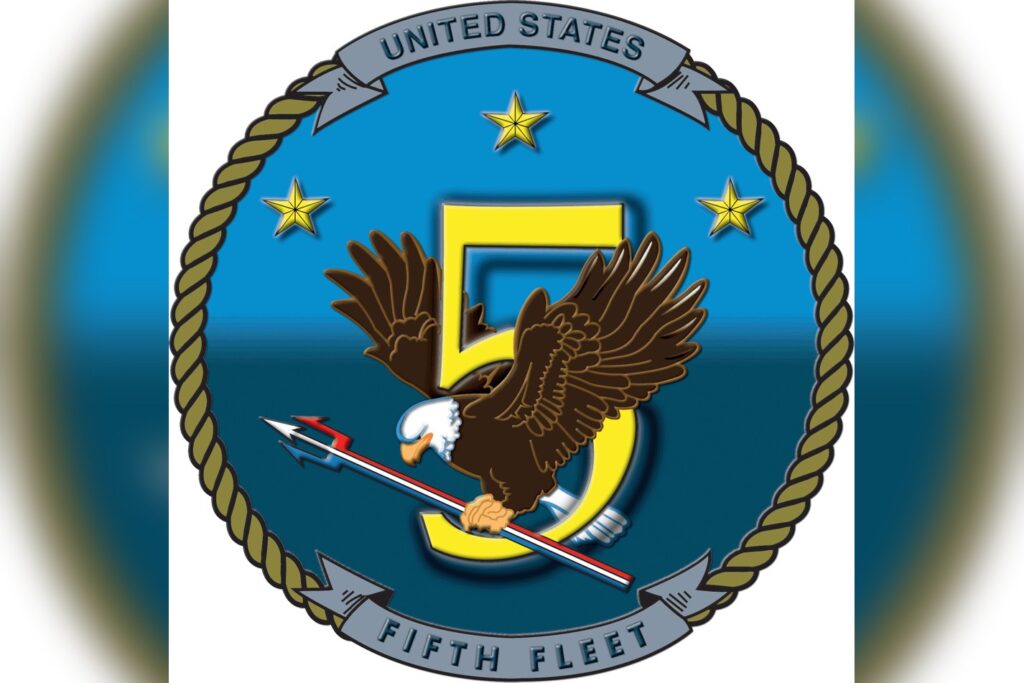
MANAMA, July 16 — The United States Fifth Fleet, headquartered at Naval Support Activity Bahrain, operates as the primary naval force for American interests across some of the world’s most strategically vital waterways. Established in 1995, the fleet commands about 7,000 personnel and 30 ships, including aircraft carriers, destroyers, and submarines, covering the Persian Gulf, Gulf of Oman, Arabian Sea, and Red Sea. Under the hood, the fleet’s core mission is to ensure freedom of navigation and protect US interests.
That technical reality has driven American naval posture in the region for decades, long before the Fifth Fleet formally existed. The detail that matters is the fleet’s lineage: during the Iran-Iraq War from 1980 to 1988, the US Navy escorted Kuwaiti oil tankers under Operation Earnest Will, which ran from 1987 to 1988.
That operation established the template for sustained naval presence in the Gulf. The fleet’s order of battle has included the USS Nimitz and other carriers, alongside destroyers, submarines, mine countermeasure vessels, and patrol boats. In 2019, the US deployed the USS Abraham Lincoln carrier strike group to the region after alleged Iranian threats, a move that underscored the fleet’s role as a rapid-response instrument of deterrence. ### Allied Operations and the IMSC The Fifth Fleet does not operate in isolation.
The UK Royal Navy and other allied navies also operate in the region, and the fleet has conducted exercises with partners under the International Maritime Security Construct, established in 2019. As ever, the technical reality of coalition warfare means integrating different command structures, communications systems, and rules of engagement.
The Fifth Fleet’s Bahrain headquarters serves as the hub for these multinational efforts, coordinating patrols and response protocols. ### Strategic Context and Current Concerns The fleet’s responsibilities have grown more complex as regional tensions persist. The 2019 deployment of the USS Abraham Lincoln strike group followed intelligence assessments of alleged Iranian threats against US forces and commercial shipping. That episode highlighted the fleet’s dual role: projecting power while maintaining readiness for potential escalation.
The fleet also maintains mine countermeasure capabilities, a niche but critical asset given the threat of naval mines in the shallow waters of the Gulf. Patrol boats provide persistent presence for maritime security operations, including counter-piracy and anti-smuggling missions. What to watch next: the Fifth Fleet’s force posture remains dynamic, with carrier rotations and allied exercises scheduled through the rest of 2026.
The fleet’s ability to sustain operations across its vast area of responsibility—from the Red Sea to the Arabian Sea—will depend on continued allied contributions and the US Navy’s shipbuilding and maintenance schedules. The technical reality is that 30 ships and about 7,000 personnel must cover a lot of water.




