
Three Years of Conflict and Unabated Losses
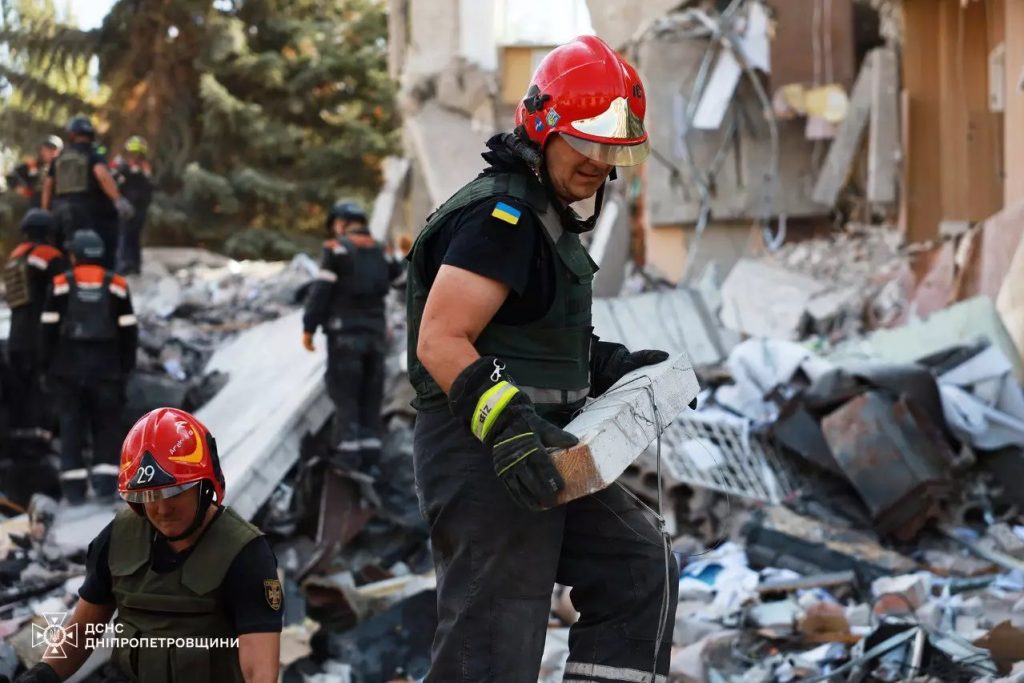
The human toll is staggering. According to the United Nations, as of January 2025, over 10,000 civilians have been killed and over 18,000 wounded, though the UN acknowledges that actual figures are likely higher. The UN High Commissioner for Human Rights recorded 30,457 civilian casualties by November 2024. On the military side, Ukraine has reported over 100,000 soldiers killed or wounded. Russia has suffered similar losses, with Western estimates suggesting over 200,000 Russian casualties by early 2025. Both sides have sustained losses that were unthinkable at the conflict’s outset.
The invasion did not come from a clear sky. Tensions between Russia and Ukraine had been simmering since 2014, when Russia annexed Crimea and a war erupted in the Donbas region. For years, a fragile ceasefire held along a front line that split eastern Ukraine. In late 2021, Russia amassed a substantial force near Ukraine’s borders and presented the West with a list of demands, including a pledge that Ukraine would never join the NATO alliance. Russian officials repeatedly denied any plan to attack. On February 24, 2022, President Vladimir Putin ordered a multi-pronged assault, describing the operation as a “special military operation” aimed at “demilitarizing and denazifying” Ukraine. He claimed the goal was to protect Russian-backed breakaway republics in the Donbas while challenging the very legitimacy of Ukraine as a sovereign state.
The invasion failed to achieve its initial aim of a swift victory. Ukrainian forces pushed back the northern arm of the assault and prevented the capture of Kyiv. The war then shifted to more conventional fighting concentrated in the south and east of the country. Russia maintained an occupation of parts of southeastern Ukraine and months later unilaterally declared the annexation of four Ukrainian regions.
A Refugee Crisis Without Quick Resolution
The war has triggered Europe’s largest refugee crisis since World War II. Per UNHCR data from 2024, over 8 million Ukrainians have been displaced internally, while over 6 million have fled abroad as refugees. These numbers show no sign of resolving soon, as the civilian casualty figures continue to climb. The United Nations General Assembly passed a resolution condemning the attack and demanding withdrawal. The International Court of Justice ordered Russia to halt operations, and the Council of Europe expelled the country. A broad coalition of nations imposed sanctions.
Shifting European Security Landscape
The wider picture involves a fundamental challenge to the post-1945 security architecture. Russia’s invasion, launched from Belarusian territory and the Crimean peninsula seized in 2014, has forced NATO to reassess its eastern flank. For European nations, particularly those bordering Russia and Ukraine, the conflict is not an abstraction but a daily matter of national survival. The invasion matters far beyond the battlefield: it has forced NATO members to reinforce their eastern frontiers and reshaped defense policies and national security calculations for countries across the region.
In the corridors of power in Kyiv, Moscow, Brussels, and Washington, the search for an off-ramp remains elusive. The military balance remains fluid, and both sides have paid a fearsome price. As the war enters its fifth year, the question of what comes next hangs over a continent already reshaped by the deadliest conflict in Europe since 1945.




