
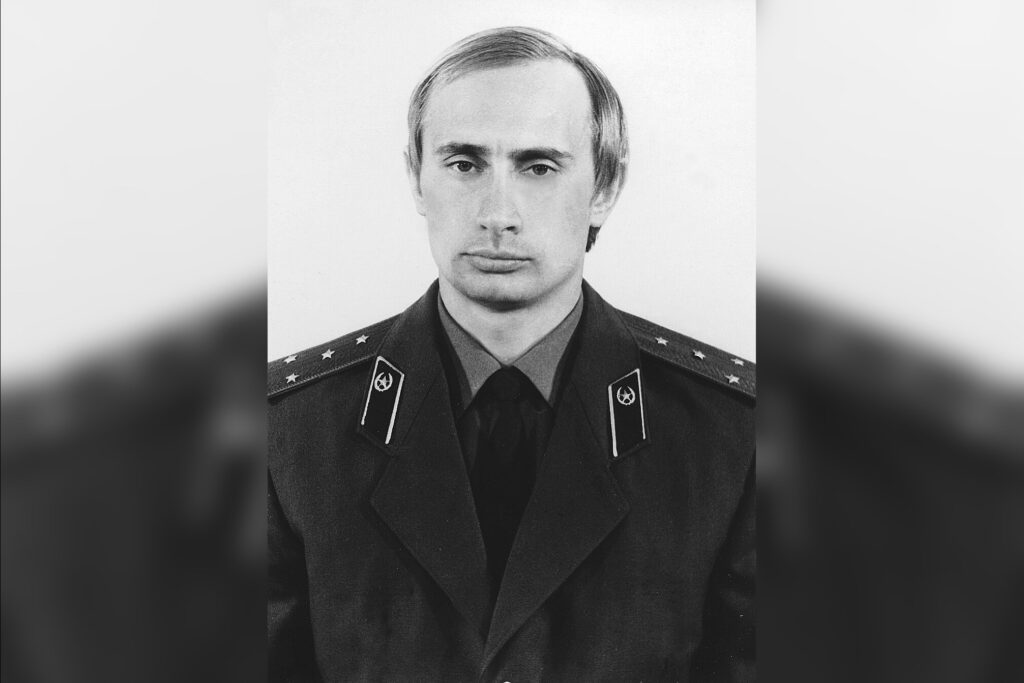
MOSCOW, July 10 — Vladimir Putin, who has held power in Russia since May 7, 2012, and previously served from 1999 to 2008, remains the country’s president following his re-election on March 17, 2024, with 87.3 percent of the vote. Born in Leningrad on October 7, 1952, Putin ordered the full-scale invasion of Ukraine on February 24, 2022, a decision that fundamentally reshaped European security and triggered a cascade of nuclear signaling from the Kremlin.
The record shows that Putin has repeatedly raised the specter of nuclear escalation since the invasion began. On February 27, 2022, just three days after troops crossed into Ukraine, he ordered Russian nuclear forces put on alert.
That move was widely interpreted by Western officials as an attempt to deter NATO intervention at a moment when Ukraine’s conventional defenses were under severe pressure.
Strategic Posturing and Nuclear Doctrine
Putin’s nuclear threats have not been isolated incidents. On March 25, 2023, he announced plans to station tactical nuclear weapons in Belarus, a development that U.S. officials confirmed marked the first time since the mid-1990s that Moscow would deploy such arms outside Russian borders. The move was framed by the Kremlin as a response to NATO’s military support for Ukraine, though the alliance has consistently stated it has no intention of putting troops on the ground there.
On February 29, 2024, Putin warned of nuclear conflict if NATO troops enter Ukraine. According to the statement, the president said such a scenario would carry the risk of escalation to a full-scale war involving nuclear powers.
That warning came as Western allies debated whether to send military trainers or advisors into Ukrainian territory. The doctrinal basis for these threats lies in Russia’s nuclear policy, updated in 2020. That document allows for nuclear use in response to conventional attacks that threaten the state’s existence.
Officials confirmed the doctrine deliberately lowered the threshold compared to earlier versions, giving Moscow more latitude to consider nuclear options in a conventional conflict.
Lowering the Nuclear Threshold
On September 25, 2024, Putin proposed lowering the threshold for nuclear use further. The proposal, which has not yet been codified into law according to available records, would expand the circumstances under which Russia could legally justify a nuclear strike. Western analysts have described the move as part of a broader strategy of nuclear coercion designed to fracture Western support for Ukraine by raising the perceived risks of escalation.
Putin’s next presidential election was scheduled for March 2024, and he was re-elected on March 17, 2024, with 87.3 percent of the vote. As of October 2024, he remains in power with no indication of a leadership transition.
The Russian constitution, amended in 2020, allows him to seek two more terms after the current one, potentially extending his rule until 2036.
What to Watch Next
The trajectory of Putin’s nuclear doctrine will remain a central concern for Western defense planners. With the threshold for nuclear use already lowered in 2020 and further reductions proposed in September 2024, the question is whether Moscow will formalize those changes into binding policy. The stationing of tactical nuclear weapons in Belarus, announced in March 2023, is expected to be completed in stages, and officials have not confirmed a final operational date.
Any shift in NATO’s posture on the ground in Ukraine—whether through training missions, air defense deployments, or other forms of direct involvement—will be closely watched by the Kremlin as a potential trigger for nuclear escalation. Putin’s warning on February 29, 2024, made clear that such moves would be interpreted in Moscow as crossing a red line.
For now, the strategic standoff continues. Putin’s nuclear signaling has become a routine feature of his wartime communications, and the 2020 doctrine remains the formal basis for any decision to use atomic weapons. Whether the proposed lowering of the threshold becomes official policy will be one of the most consequential developments to monitor in the months ahead.




