
KYIV, July 9 — The shift is quietly reshaping the Black Sea. Ukraine’s naval strategy has moved from a desperate defense to a calculated, tech-driven campaign aimed at making Russia’s Black Sea Fleet combat-ineffective. This isn’t about sinking every ship; it’s about rendering the fleet unable to threaten Ukraine’s coast and critical shipping lanes.
As of February 2024, Ukraine claims to have destroyed or damaged 21 ships — roughly half the fleet’s combat strength. That’s a staggering toll for a navy that, by conventional measures, barely exists.
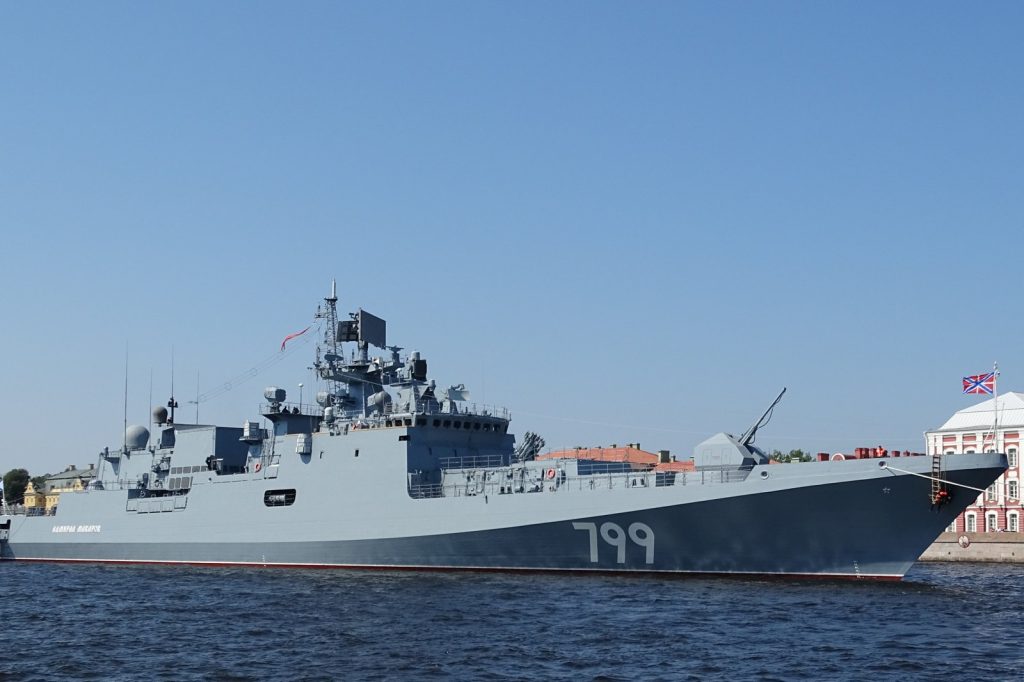
The trend underneath is a war fought with asymmetric tools: uncrewed surface vessels, small missile boats, and Western intelligence. The next phase is clear. Ukraine’s sights are set on Russia’s remaining major assets: the frigate ‘Admiral Makarov’ and six Kilo-class submarines.
These are the backbone of what’s left of the Black Sea Fleet’s offensive punch. Taking them out, or pinning them in port, would be a decisive blow.
Watch this space. In December 2023, Ukraine announced it is developing longer-range USVs with a reach of 1,500 kilometers. That range changes the geometry of the conflict.
It puts every Russian port in the Black Sea, and potentially the Caspian, within striking distance of a cheap, expendable drone boat. Ukraine is also building a fleet of small missile boats. The ‘Island’ class patrol boats, delivered by the United States in 2023, are part of this new, distributed naval force.
These aren’t destroyers — they’re fast, hard-to-hit platforms designed to launch missiles and complicate Russian planning. Russia, however, is not standing still.
The Kremlin is expected to reinforce the Black Sea Fleet with ships from the Caspian Flotilla. Three Buyan-M corvettes entered the Black Sea in January 2024. These are small, heavily-armed ships designed for littoral operations and missile strikes.
They bring fresh capability, but they also become new targets. The Kerch Strait Bridge, the physical and symbolic link between Russia and occupied Crimea, remains a potential target.
It is a key supply route for the peninsula, and Ukraine has shown it is willing and able to strike deep behind Russian lines. The bridge is a strategic vulnerability Russia has struggled to protect. What’s changing is the intelligence picture.
Ukraine’s Western allies, including the UK and US, have provided intelligence and training for these naval operations. That means Ukraine isn’t just guessing where Russian ships are — it has real-time targeting data. That is the multiplier that turns a handful of drone boats into a fleet-killer.
The trend underneath is a fundamental rethinking of naval power. A country with no traditional navy is dismantling one of the world’s largest fleets using drones, small boats, and good information.
What happens next in the Black Sea will be studied for decades. The question now is whether Ukraine can finish the job before Russia adapts.




