
COPENHAGEN — Against the backdrop of a shifting Arctic landscape, where melting ice caps are opening new strategic waterways and exposing untapped mineral wealth, a quiet but significant diplomatic friction has been simmering between Washington and Copenhagen. It began not in the corridors of power in Brussels or at NATO headquarters, but with a single, startling proposition from the American president.
In early February of last year, Donald Trump revived an idea first floated in August 2019: the purchase of Greenland, the world’s largest island and an autonomous territory within the Kingdom of Denmark. The response from Copenhagen was swift and unequivocal.
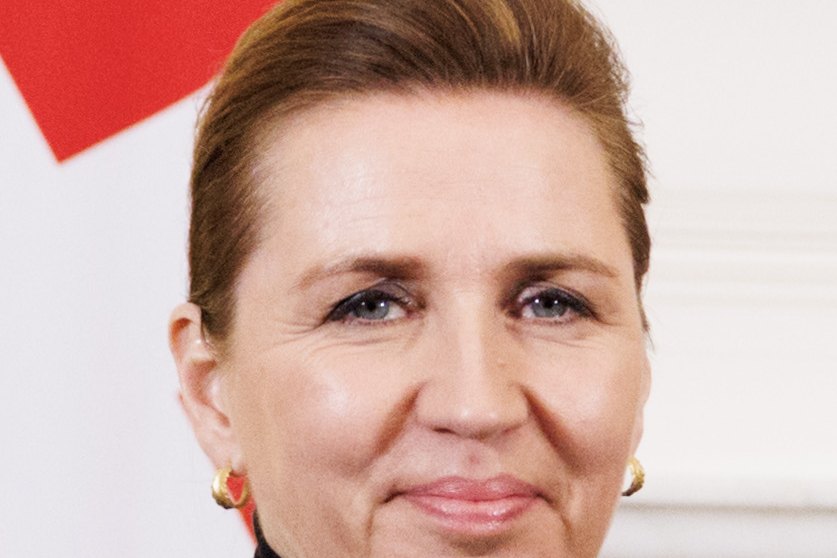
On February 4, 2025, Danish Prime Minister Mette Frederiksen stood before the press in the Danish capital and delivered a statement that was both a reassurance and a warning. Denmark, she said, is prepared to defend “every inch of NATO territory, including the Danish kingdom.” The phrasing was precise, and the message was layered. For the European audience, it was a reminder that Greenland is not a colonial relic but an integral part of the Danish realm, a territory that has been under the Danish crown since 1814.
The island gained self-rule in 1979, with further autonomy granted in 2009, yet defence and foreign affairs remain Copenhagen’s responsibility.
A Question of Article 5
What is at stake here goes beyond the price of real estate. Frederiksen’s remarks were anchored firmly in the NATO treaty, signed in 1949 by twelve founding members, including both the United States and Denmark. Article 5 of that treaty — the collective defence clause that an attack on one member is an attack on all — has been invoked only once in the alliance’s history, following the September 11, 2001 attacks on the United States.
By invoking that clause, Frederiksen was drawing a line. She was not merely saying that Greenland is not for sale — a position Denmark has stated repeatedly.
She was making clear that any attempt to challenge Danish sovereignty over the island would be treated as an attack on the entire NATO alliance. The wider picture is one of a small European nation asserting its rights within the framework of the very alliance that is meant to guarantee its security.
The Strategic Prize
Greenland’s importance is not merely sentimental or historical. The island occupies a critical position in the Arctic, a region that is rapidly becoming a theatre of great-power competition. Its natural resources, including rare earth minerals, are of increasing interest to global powers.
The United States itself maintains a significant military presence on the island: Thule Air Base, a key radar and early warning site that forms part of America’s northern defence perimeter. The irony is not lost on European diplomats.
The United States already has a military foothold in Greenland, granted by treaty and mutual agreement. The suggestion that Washington might wish to purchase the territory outright — rather than simply continuing to cooperate with Copenhagen on shared strategic interests — has unsettled Danish officials. Frederiksen’s statement, made more than a year ago, has not faded from memory.
It remains the defining expression of Denmark’s position: that it will defend its territory, including Greenland, and that it expects its NATO allies to do the same. For a small nation, the alliance is both a shield and a constraint.
The question that lingers in the corridors of European foreign ministries is whether that shield would hold if the pressure came from within the alliance itself.




