
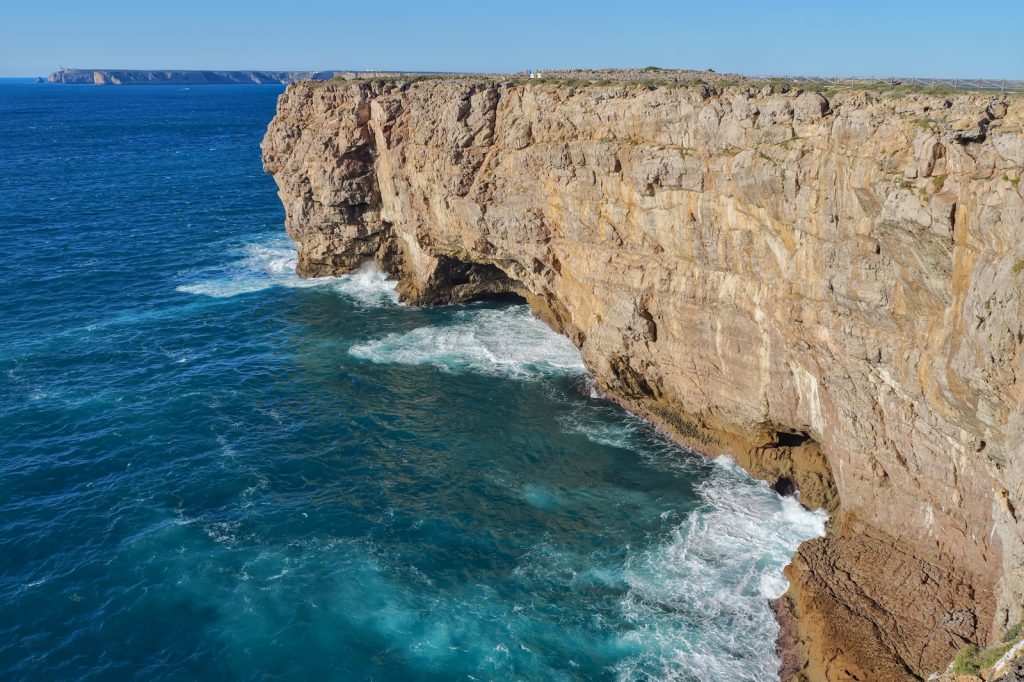
LISBON, July 8 — The shift is subtle but unmistakable. Six centuries after a Portuguese prince launched the Age of Discovery from a wind-scoured promontory, the model he pioneered—state-backed exploration, systematic knowledge-gathering, and strategic patience—is being quietly re-examined by a new generation of technologists and strategists. Prince Henry the Navigator never boarded a ship, yet he changed the map of the world.
Watch this space: the trend underneath his story is about how to direct discovery without getting your boots wet. Henry of Portugal, born in 1394 and known to history as the Navigator, died in 1460.
But the infrastructure he built—a school of navigation at Sagres, Portugal—trained the sailors and cartographers who would redraw the known world. It’s a reminder that the most consequential breakthroughs often begin not with a voyage, but with a classroom. Under Henry’s patronage, Portuguese explorers achieved a string of firsts.
They discovered the Madeira Islands in 1419, the Azores in 1427, and Cape Verde in 1444. Each of these landfalls extended the reach of European knowledge and commerce.
But the real hinge-point came in 1434, when his captains rounded Cape Bojador—a headland on the West African coast that had been considered impassable by European sailors, a psychological barrier as much as a physical one. What’s changing in our reading of Henry is the recognition of how deliberately he built the system. He sponsored expeditions along the West African coast beginning in 1418, and he directed them from Portugal.
He never sailed on the expeditions himself. This is the detail that resonates today: the patron, the architect, the funder of the map—not the one holding the sextant. In 1445, Henry’s expeditions reached the Senegal River, pushing deeper into Africa than any previous European-sponsored voyages.
Each success built on the last, and each failure was absorbed as data. The school at Sagres became a repository of maritime knowledge, a place where pilots and mapmakers could compare notes and refine their craft.
Henry’s work ended with his death in 1460. But his legacy did not. His efforts laid the groundwork for Portugal’s maritime empire and the eventual sea route to India.
Later explorers—Bartolomeu Dias and Vasco da Gama—finished what Henry had started, sailing around the Cape of Good Hope and across the Indian Ocean. The parallel for today is clear.
We are living through a similar moment of mapping and discovery, from the ocean floor to low Earth orbit to the frontiers of artificial intelligence. The question Henry’s story raises is not about who takes the first step, but about who builds the infrastructure that makes the first step possible. The prince was a director, not a doer.
And that, in the end, may be the more durable model. Watch this space. The next great discovery may well be directed from a desk, not a deck.




