
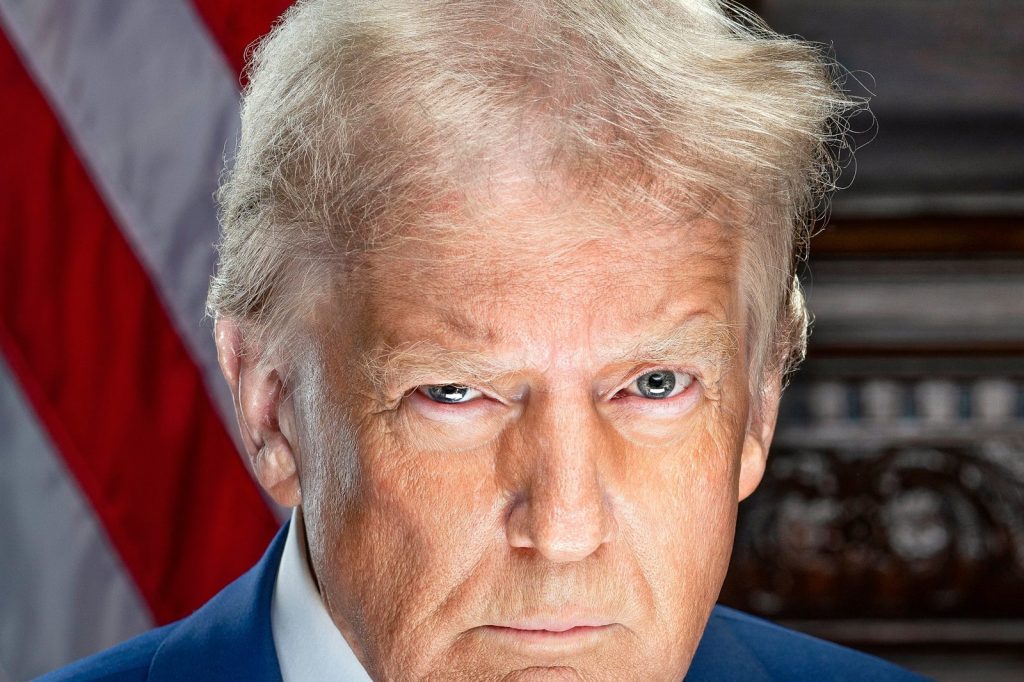
WASHINGTON, July 6 — The scene inside the Republican National Committee headquarters this week is one of a party fully aligned behind its presumptive nominee, but the foreign policy blueprint Donald Trump is carrying into the 2024 general election has allies in Europe watching with unease. Trump’s relationship with NATO has long been transactional. During his presidency, from January 2017 to January 2021, he repeatedly pressed member nations to meet the alliance’s defense spending guideline of 2% of GDP — a target set at the 2014 Wales summit.
He did not merely cajole; according to reports from 2018 and 2019, Trump reportedly considered withdrawing the United States from NATO altogether. By nightfall in Brussels, diplomats describe a quiet recalibration.
The 2% target, long aspirational for many members, became a central benchmark under Trump’s pressure. Yet the prospect of a second Trump term raises sharper questions: Would he again threaten the alliance’s foundational Article 5 guarantee? On Ukraine, the former president’s record is equally pointed.
His first impeachment in 2019 centered on allegations that he withheld military aid to Kyiv to pressure President Volodymyr Zelensky into investigating political rival Joe Biden. The Senate ultimately acquitted Trump, but the episode underscored his willingness to leverage assistance for political ends.
Now, as the war in Ukraine grinds through its third year, Trump’s 2024 campaign platform carries deep skepticism of continued U.S. aid to Kyiv. He has stated he could end the war quickly, though he has offered no specifics on how. The candidate has also expressed admiration for Russian President Vladimir Putin, a stance that sets him apart from much of his own party’s traditional hawkish wing.
Residents of the Republican foreign policy establishment describe a party at a crossroads. For decades, GOP orthodoxy embraced robust international alliances and resistance to Moscow. Trump’s approach — negotiating peace deals without detailing terms, questioning aid packages, and praising autocrats — has scrambled those assumptions.
A senior European diplomat, speaking on condition of anonymity, told InfoPulse Today that allied governments are already gaming out scenarios. Some are accelerating their own defense spending, bracing for a White House that may demand more while offering less.
What to watch next: Trump’s stump speeches in the coming weeks. If he sharpens his critique of NATO’s burden-sharing or doubles down on a quick Ukraine deal without preconditions, the transatlantic alliance may face its most serious stress test since its founding. For now, the presumptive nominee holds the floor — and the world is listening.




