
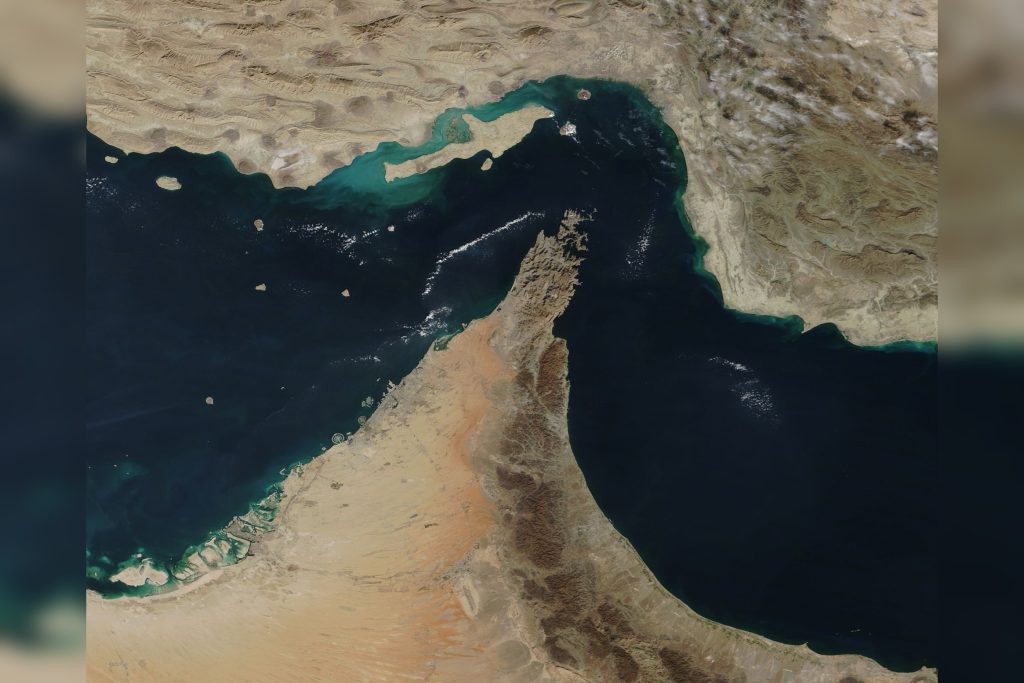
TEHRAN, July 6 — For communities across Asia, the narrow waters of the Strait of Hormuz have long felt like a distant concern. But when tensions rise there, the impact hits closer to home than many realise—right in the cost of fuel and the price of goods on market shelves.
The strait is only 21 miles wide at its narrowest point, with shipping lanes just two miles wide in each direction. That makes it one of the most vulnerable chokepoints for global energy shipments. Any disruption here doesn’t just affect oil markets in London or New York. It directly touches families in Manila, Jakarta, and Mumbai who depend on stable energy prices for daily life.
A history of confrontation
The Strait of Hormuz has been a focal point of geopolitical tension since the 1979 Iranian Revolution. During the Iran-Iraq War from 1980 to 1988, both sides attacked oil tankers in what became known as the Tanker War. In 1988, the U.S. Navy engaged Iranian forces in Operation Praying Mantis, sinking several Iranian vessels.
More recently, in 2019, Iran seized the Stena Impero and other tankers amid U.S. sanctions. That year, families across Asia watched nervously as insurance rates for tanker shipments spiked, and some shipping lines temporarily rerouted—adding days to voyages and costs to cargo.
What Iran’s threats mean for ordinary people
Iran has threatened to close the strait in response to sanctions, though it has never fully done so. For communities across the region, even the threat creates uncertainty. Shipping companies factor risk into their rates. Fuel importers hedge against potential disruptions. Those costs eventually land on consumers.
For a Filipino family relying on remittances from a relative working on a tanker, the stakes are personal. For Indonesian households already grappling with cooking oil prices, another shock to global shipping routes is the last thing they need.
The Trump administration has made clear it will keep the strait open. But for now, the situation remains tense. What happens next in those narrow waters will ripple across Asia—into fuel pumps, grocery bills, and the daily budgets of millions of families.




