
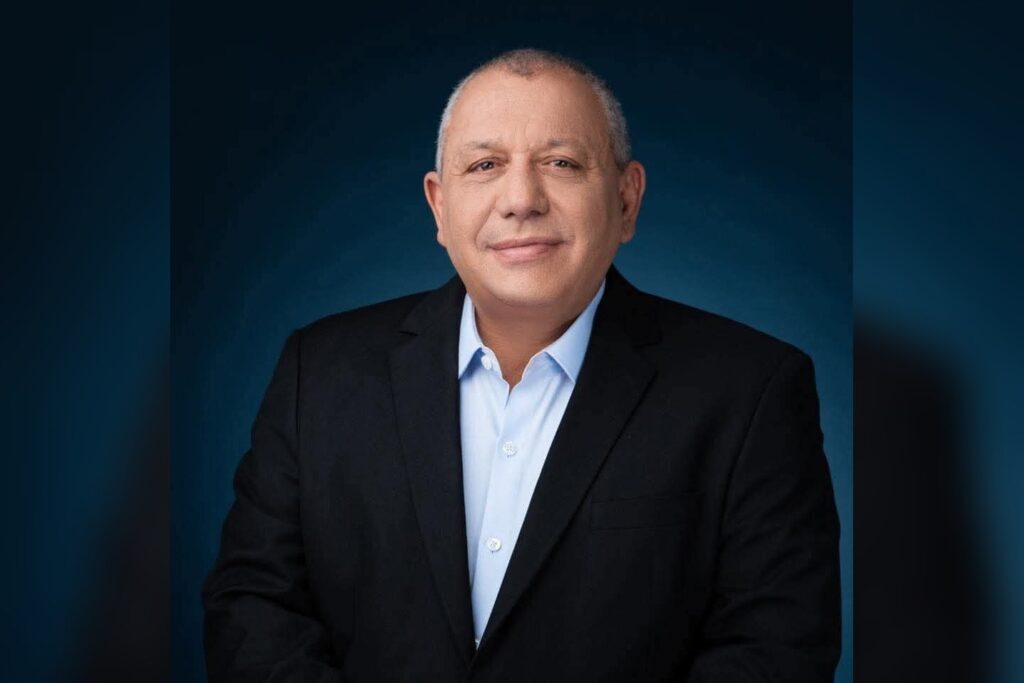
TEL AVIV — History does not repeat, but it sometimes rhymes. For Israelis watching a retired general challenge a long-serving prime minister, the echo is unmistakable. The last time a former Israel Defense Forces chief of staff mounted a serious bid for the top job was 1999, when Ehud Barak unseated Benjamin Netanyahu.
Barak had left the military four years earlier. Gadi Eisenkot retired from the IDF in 2019.
The gap between uniform and premiership has shrunk. Barak’s victory was short-lived. He lasted less than two years.
Ariel Sharon, another general-turned-politician, waited longer — he was defense minister before becoming prime minister in 2001. Benny Gantz, the most recent military chief to try, forced three elections between 2019 and 2020 but never broke through.
He ended up in a rotation government with Netanyahu that collapsed. Eisenkot appears to be taking a different route. He entered politics in 2022 as part of Gantz’s National Unity alliance.
Then he broke away. Now his newly established Yashar party is rising. Polls show him matching, sometimes overtaking, Netanyahu as the public’s choice for next prime minister.
The next election is scheduled for late October. What changed?
Nearly three years have passed since Hamas’ October 7, 2023 attack. That day remains the deadliest security failure in Israel’s history. Netanyahu has faced mounting domestic criticism over the conduct of the war in Gaza.
Eisenkot, who served as chief of staff from 2015 to 2019, has positioned himself as the security expert who can restore trust. His four decades in uniform give him credibility no career politician can match.
The pattern is familiar. Israelis turn to generals when they feel unsafe. After the 1973 Yom Kippur War, former chief of staff Yitzhak Rabin became prime minister.
After the 2006 Lebanon war, Ehud Olmert — not a general — held on, but public faith in the military command structure had cracked. October 7 was worse than both. The army failed to protect its own border.
The political leadership failed to anticipate the attack. Eisenkot’s rise reflects a hunger for someone who understands defense from the inside.
But military experience does not guarantee political success. Barak’s government collapsed over the failure of peace talks. Sharon’s succeeded because he pivoted hard on policy.
Gantz never found a clear message. Eisenkot is still defining his platform.
The polls are promising, but early leads can evaporate. Netanyahu has survived challengers before. He outlasted them all.
For communities across Israel and the wider region, this shift matters. The next prime minister will decide the course of the war in Gaza, relations with the United States, and the future of the occupied territories. Eisenkot represents a break from the Netanyahu era without the baggage of previous opposition leaders.
Former prime ministers Naftali Bennett and Yair Lapid, along with Gantz, dominated the conversation after October 7. Now a new name dominates instead.
Eisenkot chose to go it alone. That is a gamble. Broad centrist alliances have failed to unseat Netanyahu.
A single, focused party with a clear leader might succeed where coalitions of convenience could not. The lesson from past military chiefs turned politicians is mixed.
Some won. Some lost. Some won and then lost.
Eisenkot is betting that this time is different. The polls suggest voters agree. The election will decide if the pattern holds.




