
For millions of Ukrainian families, the coming winter now holds a new layer of uncertainty. Josep Borrell, the EU’s top diplomat, described the stakes in stark terms on Wednesday: “Putin chose to weaponize the winter after dealing with food and hunger.
Millions of residents in Ukraine depend on energy, heating, and water supplies, and he intends to stop that.” The European Union’s response, a fresh wave of sanctions targeting over 200 additional Russian officials, aims to disrupt that plan—but the human cost of the conflict, and the economic strain on Europe itself, is growing. The European Commission, the executive arm of the EU, on Wednesday recommended travel bans and asset freezes on over 200 additional Russian politicians and military officers.
The proposals, which still require discussion and approval from the 27 member nations, target political parties, regional governors, parliamentarians, and government ministers. According to the European Commission, this list includes “important players in Russia’s violent and intentional missile attacks against people,” as well as those involved in the kidnapping of Ukrainian children to Russia and the theft of Ukrainian agricultural products. The commission also plans to impose export controls and limitations on goods including chemicals, nerve agents, electronics, and IT components that could be used by the armed forces.
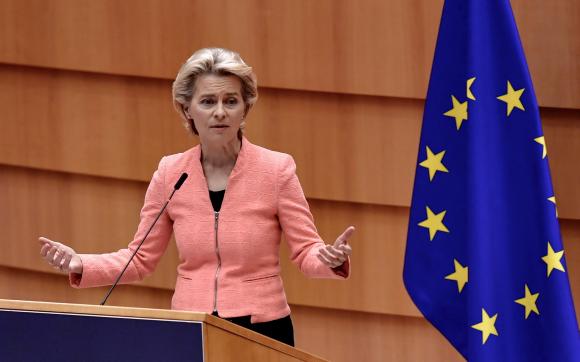
Additional targets include the Russian defense sector and more Russian banks. According to European Commission President Ursula von der Leyen, this would include a full transaction embargo on the Russian Regional Development Bank to “further paralyze Putin.” The EU also wants to prevent Russia from having access to unmanned aircraft.
Von der Leyen stated, “We seek to ban the direct shipment of drone engines to Russia. And the export to any third nations, such as Iran, which could supply Russia with drones.”
Energy, Mining, and Media Under Scrutiny
The European Commission is also urging EU nations to take action against Russia’s mining and energy industries, particularly by putting a ban on new mining investments. Additionally, the commission recommends steps to decommission more Russian TV stations in Europe. The sanctions package extends to banks, firms, and markets, as well as crucial areas of the energy industry.
However, the COVID-19 pandemic has already had a devastating impact on the economies of the EU’s 27 member states. Now, they must contend with soaring inflation as well as high power and natural gas prices.
Since new penalties also have a cost at home, winning approval for them is becoming more difficult. The most recent sanctions recommendations are on political parties, regional governors, parliamentarians, and government ministers. According to the European Commission, this list includes important players in Russia’s violent and intentional missile attacks against people, in the kidnapping of Ukrainian children to Russia, and in the theft of Ukrainian agricultural products.
What to Watch Next
The 27 EU member nations still need to discuss and approve the commission’s proposals. Historically, such recommendations are often scaled back during the approval process. As winter approaches and energy prices remain high, the debate over how far to push sanctions—and at what cost to European households—will intensify. The coming weeks will show whether the bloc can maintain unity while balancing the humanitarian needs of Ukrainians with the economic pressures on its own citizens.




