
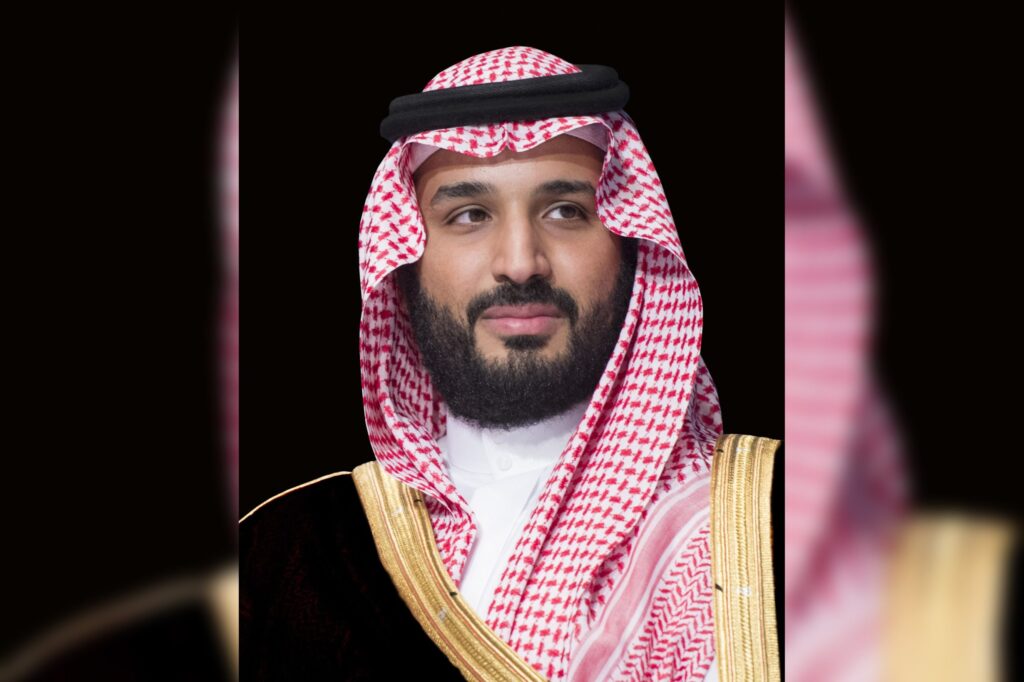
RIYADH, July 22 — Ten years after the Saudi government and Crown Prince Mohammed bin Salman unveiled Vision 2030, the ambitious blueprint to reshape the kingdom’s economy and society is best known not for its gleaming futuristic cities but for its stalled projects, forced evictions, and a devastating worker death toll.
Announced on 25 April 2016, the initiative rested on three pillars: positioning Saudi Arabia as the heart of the Arab and Islamic worlds, transforming it into a global investment powerhouse, and turning its geographic location into a hub linking Afro-Eurasia. The core goal was to reduce the country’s overwhelming dependence on oil revenue — which, as of 2022, accounted for roughly 40% of GDP and 75% of fiscal revenue.
Decreasing that reliance had been a stated aim since the 1970s, but implementation has always been unstable and largely dependent on oil prices.
Human Toll
The human cost of the drive has been severe. A 2024 investigation documented that more than 21,000 workers died on the job in projects linked to Vision 2030 between 2017 and 2024. Beyond the construction sites, the program forced the eviction of over half a million people, drawing condemnation from human rights groups.
Environmental critics have also pointed to the impact of massive desert developments. By mid-2026, many of the plan’s signature megaprojects had been watered down, put on hold, or abandoned entirely.
The most high-profile failure is the Neom megaproject, originally carrying a price tag of $500 billion. The vision set specific targets across three categories: a vibrant society — encompassing urbanism, culture, entertainment, sports, Umrah pilgrimages, UNESCO heritage sites, and life expectancy; a thriving economy — including employment, women in the workforce, international competitiveness, the Public Investment Fund, foreign direct investment, and non-oil exports; and an ambitious nation — covering non-oil revenues, government effectiveness, e-government, household savings and income, and non-profits and volunteering.
Unfinished Business
To drive these goals, the government established the National Transformation Program in 2016, running across 24 government bodies. Oversight was assigned to the National Center for Performance Measurement, the Delivery Unit, and the Project Management Office of the Council of Economic and Development Affairs. Yet oil remains stubbornly central: it still makes up 43% of Saudi Arabia’s real GDP, with the contribution rising and falling with global crude prices.
The core priority of Vision 2030 was to develop alternative revenue sources — taxes, fees, and income from the sovereign wealth fund — and to lower dependence on public spending. But the kingdom’s fiscal health continues to track the oil market.
According to political scientist Andrew Leber, the initiative was announced shortly after Mohammed bin Salman consolidated power and was designed to burnish his image abroad while tightening his grip at home. As Vision 2030 passes its tenth anniversary, it is that tension — between the glossy promises and the sobering realities — that defines the program’s legacy.




