
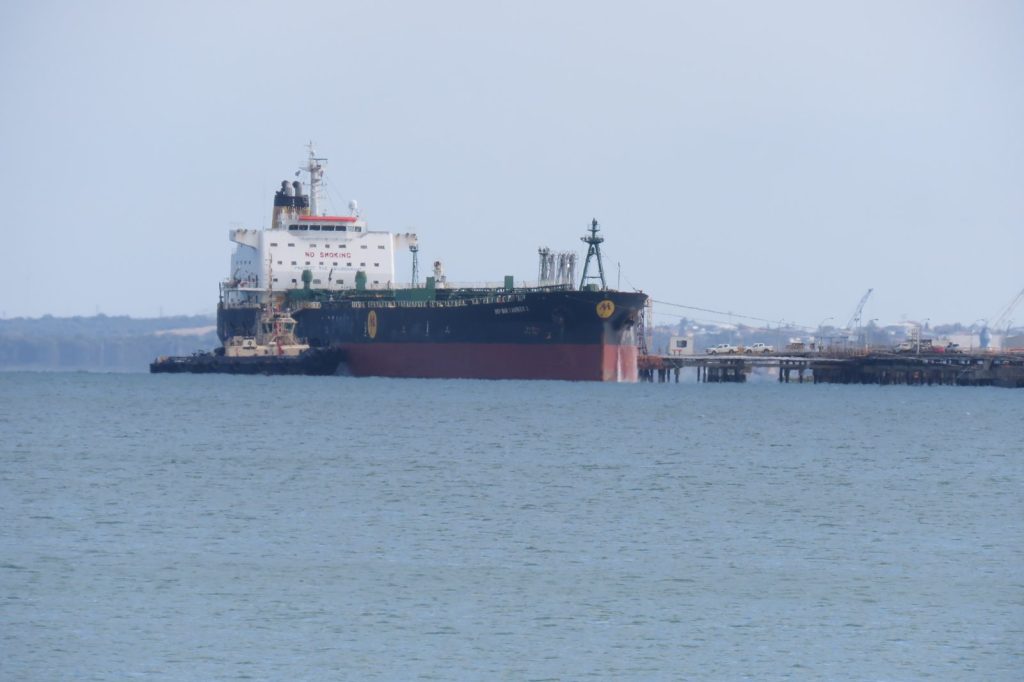
The narrow waters of the Strait of Hormuz, long regarded as one of the world’s most strategically important maritime choke points, have again become the focus of intensifying U.S.-Iran tensions. The strait links the Persian Gulf to the open ocean, sitting between Iran on its northern shore and the Musandam Peninsula of Oman and a small segment of the United Arab Emirates to the south. For decades it has served as the sole maritime outlet for several Gulf states, carrying a major share of global petroleum shipments bound for Europe and Asia.
Iranian leaders have occasionally warned they might block the passage and have at times readied mines, though the waterway remained open through regional wars. Today, with no new diplomatic talks scheduled and a nuclear deal left in pieces, the United States faces a narrowing set of policy options as Iran continues to challenge maritime security in the region.
A Collapsed Bargain and Stalled Diplomacy
At the core of the current standoff lies the fate of the Joint Comprehensive Plan of Action, the 2015 nuclear agreement that once limited Iran’s nuclear program in exchange for sanctions relief. Formal negotiations between Iran and major powers had begun with an interim accord in 2013, leading to the final deal signed in Vienna in 2015. The United Nations Security Council endorsed that agreement through Resolution 2231.
The arrangement’s core bargain — limits on Iran’s nuclear work in return for sanctions relief — collapsed after the United States withdrew in 2018 under President Donald Trump. Iran subsequently violated the deal’s limits, and efforts to revive the JCPOA through negotiations stalled in 2022.
As of May 2025, no new diplomatic talks are on the horizon. The record shows that Iran’s attacks may be intended to pressure the U.S. to lift sanctions, yet the path back to the original structure remains uncertain. The question is whether either side is willing to make the first move.
Policy Options on the Table
The United States now has several options to respond, each carrying distinct risks and consequences. One approach would be increased naval patrols in the Gulf, a move that would signal a shift in military posture without escalating to direct confrontation.
Another is the application of economic sanctions on Iran’s shipping, a measure that could squeeze the regime’s revenue by targeting its maritime trade. A third path involves diplomatic engagement through the framework of the JCPOA itself, which could restore the original limits-and-relief structure if both sides agree. The U.S. has warned of a “swift response” if shipping is threatened, and the United Nations Security Council has previously condemned Iran’s actions in resolutions, including Resolution 2231. For now, the U.S. appears to be keeping all options open.
The coming weeks will test whether Washington can deter further Iranian attacks without triggering a broader conflict in the Gulf.
The Strait of Hormuz Chokepoint
The strait’s strategic importance gives the maritime tension outsized economic consequences. Any interference with shipping there would cut a major petroleum route that supplies Europe and Asia and would strand the only sea lane for a group of Gulf economies. Even when no actual closure occurs, global energy markets remain acutely sensitive to the risk. Readers dependent on those markets feel the exposure directly.
The backdrop of the nuclear file — the 2013 interim accord, the 2015 deal, the 2018 U.S. exit, and the subsequent Iranian breaches — continues to shape how both sides approach the waterway. Against that history, Iranian leaders have occasionally threatened to block the strait, and at times prepared mines, even though the passage stayed open through regional wars.
The current standoff puts that threat context in sharp relief. With no revived talks scheduled and the JCPOA’s core bargain in tatters, the United States must weigh a narrow set of policy choices while trying to avoid a direct confrontation. Whether increased naval patrols, economic sanctions, or renewed diplomacy will prevail remains unclear, but the next steps will determine whether the region slides further into crisis or finds a path toward stability.




