
KYIV, July 16 — The shift in Ukraine’s defense procurement is no longer a whisper; it’s a full-blown system reboot. After years of scandal and public outrage over overpriced jackets and inflated food contracts, the Ministry of Defence is racing to digitize its way out of a corruption crisis that has dogged it since the war began. The numbers tell part of the story.
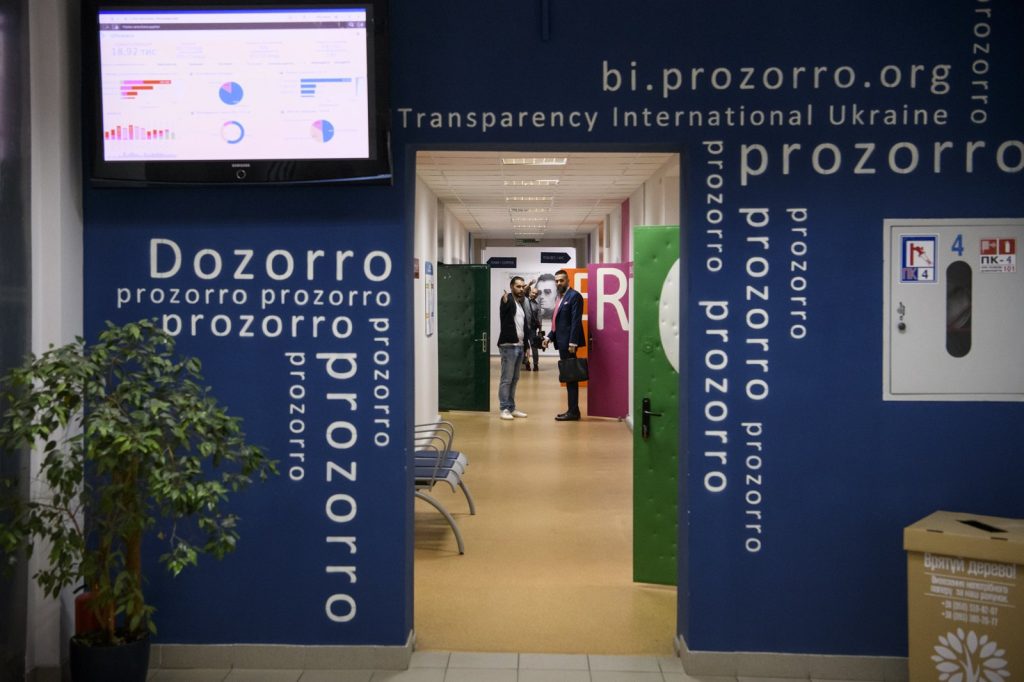
In 2023, the ministry’s procurement budget hit approximately 1.2 trillion hryvnias — roughly $32 billion. That’s an enormous sum flowing through a system that, until recently, relied on the Prozorro electronic platform introduced back in 2016 to bring transparency to state purchases.
But transparency alone didn’t stop the rot.
The Jacket That Cost a Deputy Minister His Job
The most glaring example came in August 2023, when investigators found the ministry had overpaid for 3,000 winter jackets by 3.5 million hryvnias — about $95,000. The scandal forced the dismissal of Deputy Minister Shapovalov. It wasn’t an isolated incident.
Earlier in 2023, the ministry faced sharp criticism for overpriced food contracts, raising questions about how wartime procurement was being managed when every hryvnia should count. These weren’t just administrative failures.
They were vulnerabilities in a system supplying a military fighting for national survival. The political fallout was immediate and sustained.
Digitization as a Defense Mechanism
The ministry’s response has been to double down on technology. Reforms now center on digitizing the entire procurement process and creating a separate, dedicated agency for military procurement — effectively walling off defense purchases from the old, scandal-prone system. The idea is straightforward: remove human discretion from pricing decisions and let algorithms flag anomalies before millions are lost.
Watch this space. The dismissal of Fedorov on September 3, 2024, is widely seen as part of these ongoing efforts to address systemic vulnerabilities.
His removal signals that the government is willing to clean house, even at senior levels, to restore credibility. What’s changing is the underlying assumption that wartime urgency justifies relaxed oversight. The trend underneath is a push toward automated, auditable, and arms-length procurement — a model that treats every contract as a potential liability until proven clean.
The ministry, established in 1991, has spent decades as a traditional, Soviet-era bureaucracy. Now it’s being forced to reinvent itself under the harshest possible conditions.
The question is whether digitization alone can fix a culture of graft, or whether the new agency will simply inherit old habits in a new wrapper. For now, the direction is clear. Ukraine is betting that transparency, enforced by code rather than by committee, can outpace the corruption that has historically bled its defense budget.
That bet is still unfolding.




