
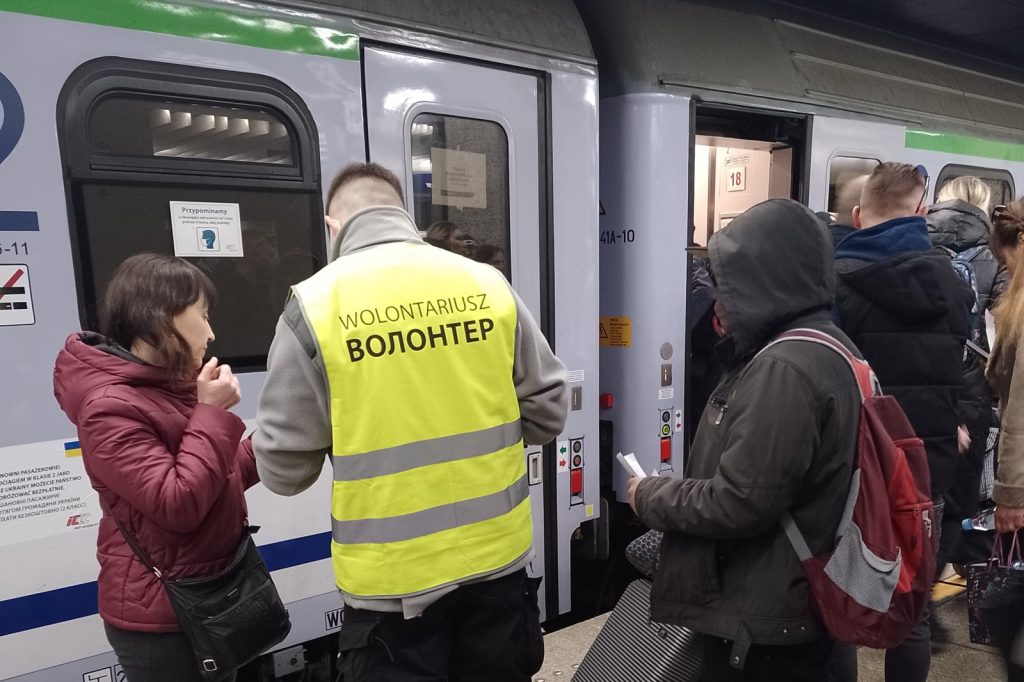
KYIV, July 16 — Against this backdrop of grinding conflict, the humanitarian toll of the Russo-Ukrainian War continues to shape the lives of millions, with the United Nations reporting that more than 6.3 million Ukrainian refugees are now registered across Europe. The figures, current as of August 2024, paint a stark picture of displacement that has reshaped the continent. Poland hosts the largest contingent, with approximately 1.5 million refugees, while Germany has taken in 1.1 million, and the Czech Republic 500,000.
Within Ukraine itself, a further 3.7 million people remain internally displaced, unable to return to homes that may no longer exist.
The scale of destruction
The UN has confirmed over 30,000 civilian casualties, including 11,000 deaths, though the organisation acknowledges that the true toll is likely higher. What is at stake becomes clearer when examining the physical damage: the war has damaged or destroyed more than 1.4 million homes, 3,000 schools, and 1,500 hospitals across the country. In the corridors of international aid organisations, the challenge of reaching front-line areas remains acute.
The International Committee of the Red Cross and UN agencies have been providing assistance, but access to the most dangerous zones is severely limited by ongoing hostilities.
Winter approaches
With energy infrastructure damage threatening heating systems, winterisation efforts have become critical. The coming cold months pose a direct threat to civilians, particularly those in damaged homes or makeshift shelters. The destruction of power plants and distribution networks means that even where buildings remain standing, keeping them warm through a Ukrainian winter is far from guaranteed.
The wider picture shows a humanitarian crisis that has evolved but not diminished since Russia’s full-scale invasion began in February 2022. Europe’s refugee response has been unprecedented in scale, yet the burden falls unevenly, with Poland and Germany absorbing the largest numbers.
For the internally displaced, the Ukrainian government and local charities have shouldered much of the work, supported by international funding that remains uncertain from year to year. What to watch next is whether donor nations will sustain their commitments as the war enters its fifth year. The winter of 2026-2027 will test both Ukraine’s battered energy grid and the resilience of millions living without reliable heat, water, or shelter.
The corridors of power in Brussels, Berlin, and Washington are already debating the next tranche of humanitarian aid, but for those in the trenches of this crisis, the need is immediate and unforgiving.




