
KYIV, July 9 — Against this backdrop of grinding electronic warfare, the skies over Ukraine have become a hidden battlefield where radio waves are as decisive as munitions. The conflict has seen an estimated 500,000 drone flights by both sides since February 2022, according to open-source intelligence estimates, yet the contest between Ukrainian drone operators and Russian electronic warfare systems has emerged as one of the war’s most consequential and least visible fronts. The numbers tell a stark story of attrition.
Ukrainian military sources estimated in early 2024 that the country was losing roughly 10,000 drones per month to Russian electronic warfare, though exact figures remain classified. These losses represent not just equipment but the tactical edge that drone warfare has provided Ukraine since the invasion began.
In the corridors of military planning rooms in Kyiv and allied capitals, the question of how to sustain this aerial reconnaissance and strike capability has become urgent. Russia’s investment in electronic warfare has been systematic and sustained. According to a 2023 report from the Royal United Services Institute, Moscow has spent approximately $1 billion on electronic warfare systems since 2014, building a force that now includes an estimated 300 units deployed in Ukraine.
Among the systems fielded are the Krasukha-4, a ground-based mobile system designed to jam airborne radars and communications, the Tobol, and the Leer-3. The Krasukha-4 alone costs an estimated $50 million per unit, a figure that underscores the scale of Russia’s commitment to dominating the electromagnetic spectrum.
What is at stake in this invisible war is the ability of Ukrainian forces to see the battlefield and strike with precision. Drones have become the eyes of Ukraine’s artillery and the tip of its asymmetric spear, allowing small units to destroy high-value Russian targets from a distance. When those drones are neutralised by electronic jamming, the advantage shifts.
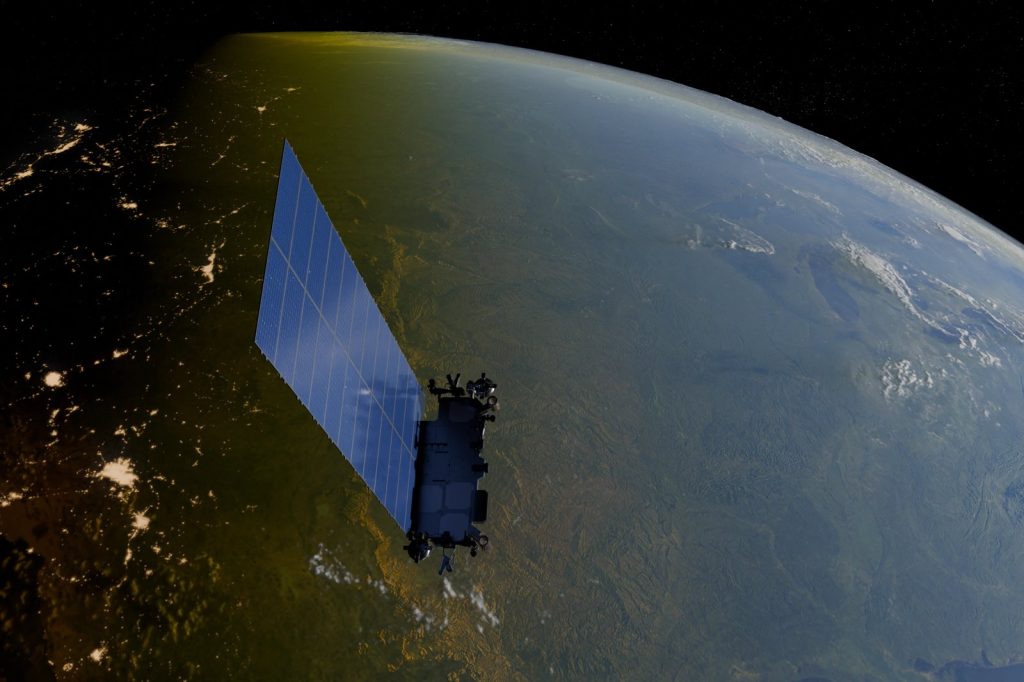
Against this backdrop, SpaceX’s Starlink system has played a critical role in keeping Ukrainian military communications operational. As of March 2024, Ukraine had received over 42,000 Starlink terminals, with 10,000 donated directly by SpaceX and the remainder funded by international partners. The system handles over 100 terabytes of data per day for both military and civilian use, according to SpaceX.
Each terminal costs $600, a relatively modest price compared to the multi-million-dollar Russian electronic warfare systems designed to disrupt the networks they support. The wider picture is one of a technological arms race unfolding in real time.
Russian electronic warfare units have proven adept at jamming drone control frequencies and GPS signals, forcing Ukrainian operators to constantly adapt their tactics and hardware. The attrition rate remains punishing. The cost disparity is stark.
A single Starlink terminal at $600 is a fraction of the price of a Krasukha-4 system at $50 million, but the sheer volume of Ukrainian drone losses — estimated at 10,000 per month in early 2024 — means the economic calculus is not simple. Each lost drone represents not just hardware but trained operators, intelligence gaps, and lost opportunities on the front line.
In the corridors of NATO headquarters and European defence ministries, this electronic warfare dynamic is being studied closely. The Russian investment since 2014 has created a force that, while expensive, has proven effective at degrading Ukraine’s drone advantage. The question now is whether Ukraine and its partners can innovate fast enough to keep pace, or whether the electromagnetic spectrum will become a decisive domain that tilts the battlefield balance.
Looking ahead, the trajectory of this electronic war will likely determine the shape of ground operations in the months to come. If Ukrainian forces can sustain their drone operations through a combination of Starlink connectivity, rapid technological adaptation, and increased production, they may retain the tactical initiative. If Russian electronic warfare continues to exact a heavy toll, the front lines could become more static, favouring the defender’s artillery and fortifications.
For now, the contest continues, invisible but decisive, in the radio waves above Ukraine.




