
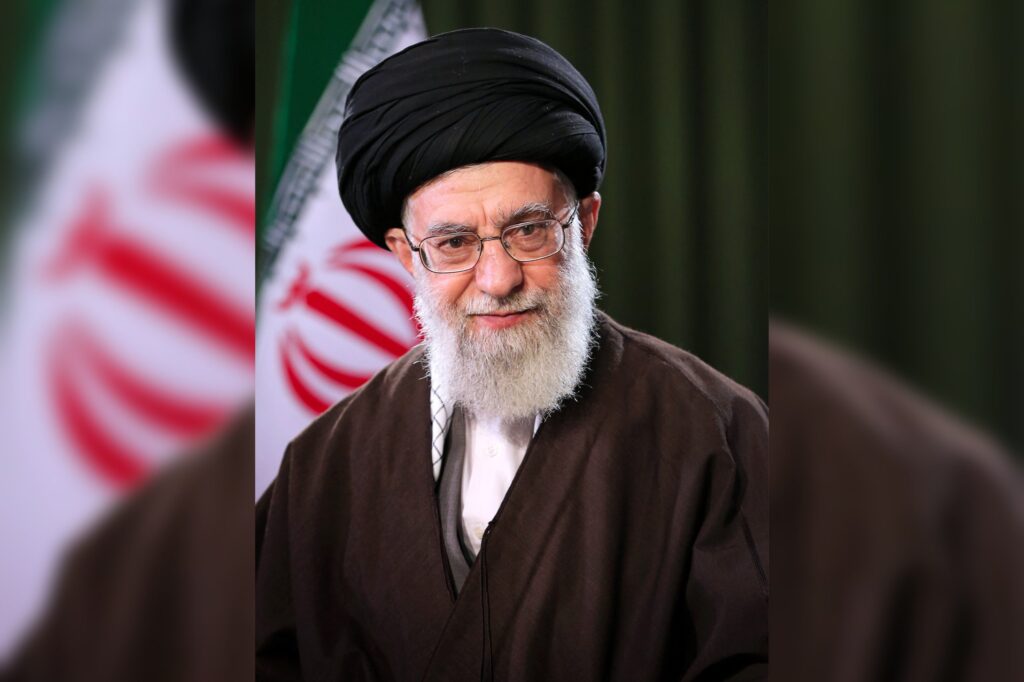
TEHRAN, July 7 — Ayatollah Ali Khamenei, Iran’s Supreme Leader since 1989, remains the singular figure shaping the country’s military and regional strategy at age 85. His authority extends over all branches of Iran’s armed forces, including the Islamic Revolutionary Guard Corps (IRGC), which controls operations in the strategic Strait of Hormuz.
Khamenei succeeded Ruhollah Khomeini and has consistently opposed U.S. influence in the Middle East. Under his leadership, Iran has expanded its ballistic missile program and deepened support for proxy groups such as Hezbollah and Hamas. These decisions directly affect the level of aggression in the Strait of Hormuz, a critical chokepoint for global oil shipments.
The Supreme Leader approved the 2015 Joint Comprehensive Plan of Action (JCPOA) but later criticized the U.S. withdrawal from the nuclear deal. His position on the IRGC’s asymmetric tactics has remained firm, backing the Guard’s operations as a core element of Iranian power projection.
Khamenei has designated his son, Mojtaba Khamenei, as a potential successor. This succession planning carries significant implications for Iran’s future direction, particularly regarding its nuclear ambitions and confrontations with Western powers.
The 85-year-old leader’s health and longevity remain subjects of speculation, though no official updates on his condition have been released. His decisions continue to shape the security environment in the Persian Gulf and beyond.
For now, the Supreme Leader’s grip on power appears unshaken. The coming months will test whether his successor, Mojtaba, can maintain the same level of control over the IRGC and Iran’s proxy network.
The Islamic Revolutionary Guard Corps (IRGC) controls operations in the strategic Strait of Hormuz, a critical chokepoint for global oil shipments. The IRGC is one of the branches of Iran’s armed forces, over which Ayatollah Ali Khamenei, Iran’s Supreme Leader since 1989, has authority. Khamenei has backed the IRGC’s operations as a core element of Iranian power projection.
The Middle East has long been a complex and volatile region, with various countries and factions vying for influence and power. Under Khamenei’s leadership, Iran has expanded its ballistic missile program and deepened support for proxy groups such as Hezbollah and Hamas.
These decisions directly affect the level of aggression in the Strait of Hormuz. Khamenei has consistently opposed U.S. influence in the Middle East. The Joint Comprehensive Plan of Action (JCPOA) was a nuclear deal that Khamenei approved in 2015 but later criticized the U.S. withdrawal from.
The future of the JCPOA and Iran’s nuclear program remains a critical issue, with significant implications for regional and global security. The question of succession in Iran is also closely tied to the country’s future direction and its relationships with other countries.
Khamenei has designated his son, Mojtaba Khamenei, as a potential successor. This succession planning carries significant implications for Iran’s future direction, particularly regarding its nuclear ambitions and confrontations with Western powers. The coming months will test whether Mojtaba can maintain the same level of control over the IRGC and Iran’s proxy network.
As the region continues to evolve, the interplay between Iran’s internal politics and its external relationships will remain a key factor in determining the security environment in the Middle East and beyond.




