
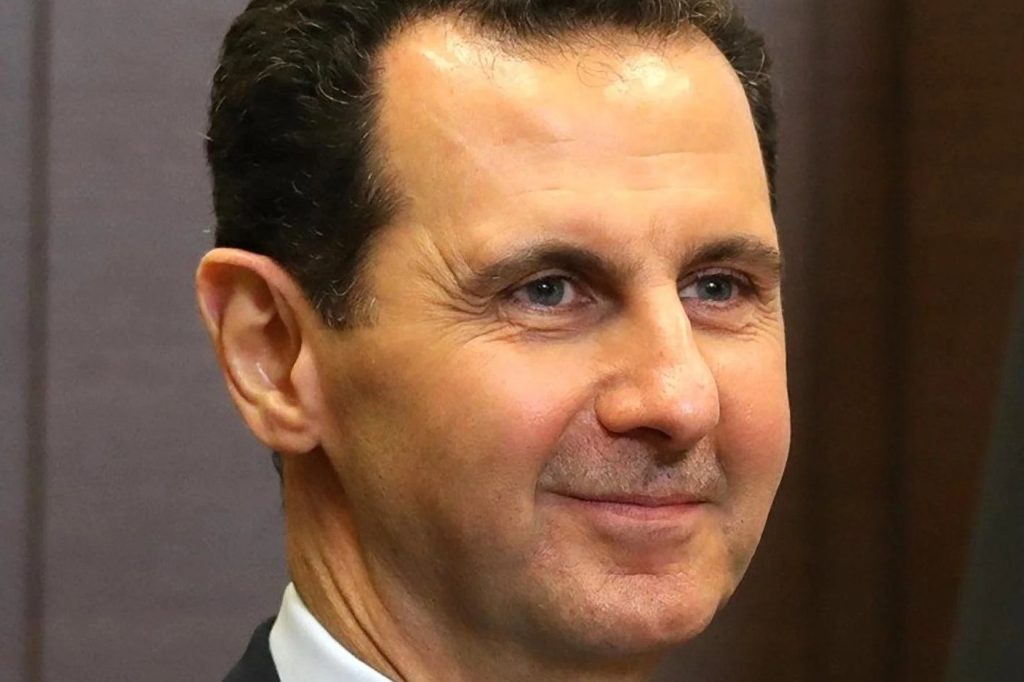
On December 8, 2024, a 53-year chapter in Syrian history closed when Bashar al-Assad was ousted from power. The downfall marked the end of a family dynasty that began with his father, Hafez al-Assad, in 1971. The Assad family’s grip on the nation, once seemingly unbreakable, finally gave way.
The roots of this dynasty stretch back to 1927, when a man named Ali Sulayman made a pivotal decision. He abandoned his surname, al-Wahsh—meaning “the beast”—and adopted al-Assad, which translates to “the lion.” This change reflected his growing social status and political aspirations. Ali Sulayman married Naissa, and together they became the founders of the extended Assad family. They belonged to the Alawite Kalbiyya tribe, a group that would later play a crucial role in Syrian governance.
Hafez al-Assad, their son, constructed the regime not on ideology but on a calculated system of patronage. He embedded deep networks of loyalty within the Ba’ath party, ensuring that allegiance flowed to his family rather than the party itself. This structure allowed the Assads to seize control of substantial portions of the Syrian economy. Corruption was not a byproduct but the fundamental mechanism driving both public and private sectors.
When Hafez died in 2000, the system did not falter. Bashar al-Assad assumed leadership and intensified the reliance on family connections. Close relatives of Hafez retained key political positions, and Bashar continued to use family ties as the primary tool for maintaining authority. The Kalbiyya tribe, based in Qardaha in the Latakia Governorate, remained the regime’s foundation. The Assad rule was less a government and more a family enterprise.
The collapse on December 8, 2024, was the direct result of this foundation crumbling. The patronage networks that had sustained the regime for over five decades shattered. The economy, long distorted by the family’s control, now faces an uncertain future. The political vacuum left by the dynasty’s end presents significant dangers. The Alawite Kalbiyya tribe, so deeply intertwined with the Assad narrative, must now confront a new reality. Their decades-long position in Syrian politics has vanished.
What remains is a country scarred by 53 years of rule that began with a name change in 1927 and concluded with an ouster in 2024. The lion’s reign is over. The village in the Coastal Mountains that produced a dynasty now watches its fall. The patronage networks that held the regime together are destroyed. The corruption that enriched one family has left a nation in ruins. The story of the Assads, from Ali Sulayman to Bashar, is finished. What comes next for Syria is a blank page.




