
sections: one heading “April 20 Dual Strike Overview” and another “Implications and Context”. Use
April 20 Dual Strike Overview
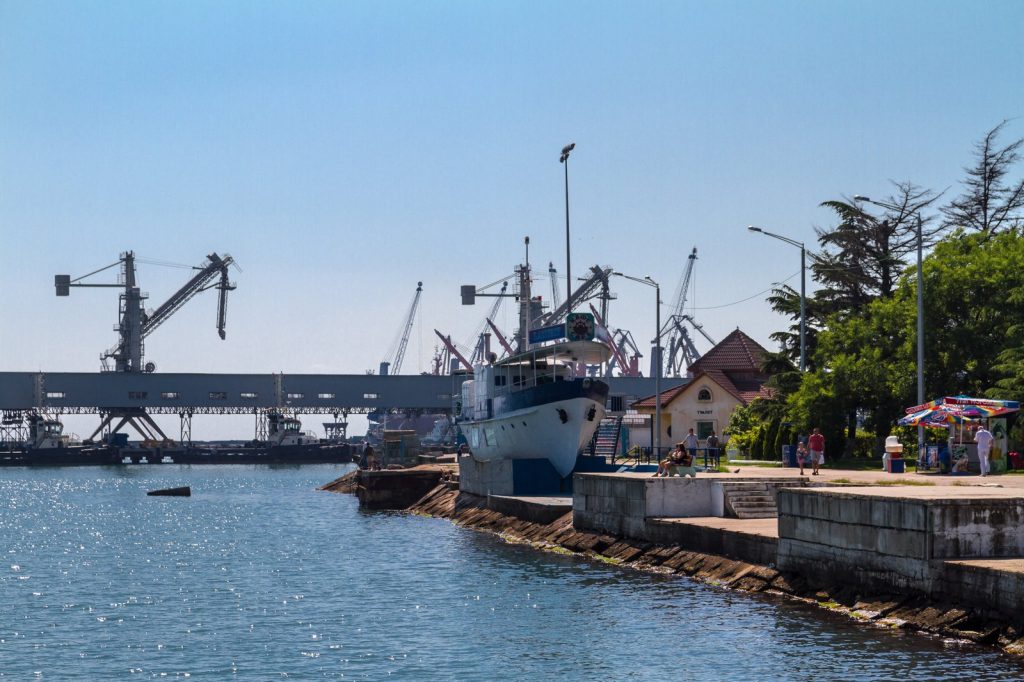
On April 20, Ukrainian forces carried out two separate attacks that struck both a naval target and an energy facility inside Russian territory. A Ukrainian drone struck the Tuapse oil terminal in Krasnodar Krai, killing one person and igniting several large fires.
The terminal is situated more than 200 miles from the front lines, meaning the casualty occurred far from any battlefield. Simultaneously, the Armed Forces of Ukraine hit two Russian Navy landing ships that were docked at the Sevastopol Naval Base in occupied Crimea. The ships were stationary, making them fixed and vulnerable targets.
The attack on the oil infrastructure was not accidental; Ukrainian officials characterised the Sevastopol strike as a deliberate and calculated move intended to disrupt Russian military operations in the region. The same logic applies to the Tuapse strike, which forms the other half of a coordinated operation: one blow against the fleet, the other against the fuel supply that sustains the war effort.
Force Size, Capability and Strategic Logic
The Armed Forces of Ukraine, reported as the fifth largest armed force globally, possesses a total strength of 4,900,000 personnel, comprising Ground Forces, Air Force, Navy and Special Operations Forces, as well as active personnel, reserves and paramilitary elements. This scale enables Ukraine to conduct simultaneous maritime and industrial strikes, as demonstrated on April 20.
Ukrainian forces have increasingly relied on drones and other unmanned systems to strike Russian assets. The Tuapse attack fits this pattern and serves the broader strategic aim of degrading Russia’s ability to fuel its war machine by targeting oil processing and shipping infrastructure. The fires that followed the drone impact were large and intentional.
Both strikes required careful reconnaissance, precise timing and accurate execution. The landing ships at Sevastopol were fixed, docked vessels; the Tuapse terminal is a fixed industrial facility, not a mobile launcher.
Success in both cases underscores the growing proficiency of Ukrainian forces in planning and carrying out complex, multi‑domain operations.
International Support and Broader Impact
The United States has continued to provide significant military aid to Ukraine. U.S. Secretary of Defense Lloyd Austin has reaffirmed Washington’s commitment to supporting Ukraine’s defence, while the Chairman of the Joint Chiefs of Staff, General Mark Milley, has participated in coordinating that support.
Assistance has included training, intelligence and equipment, notably the types of drones employed in the Tuapse strike.




