
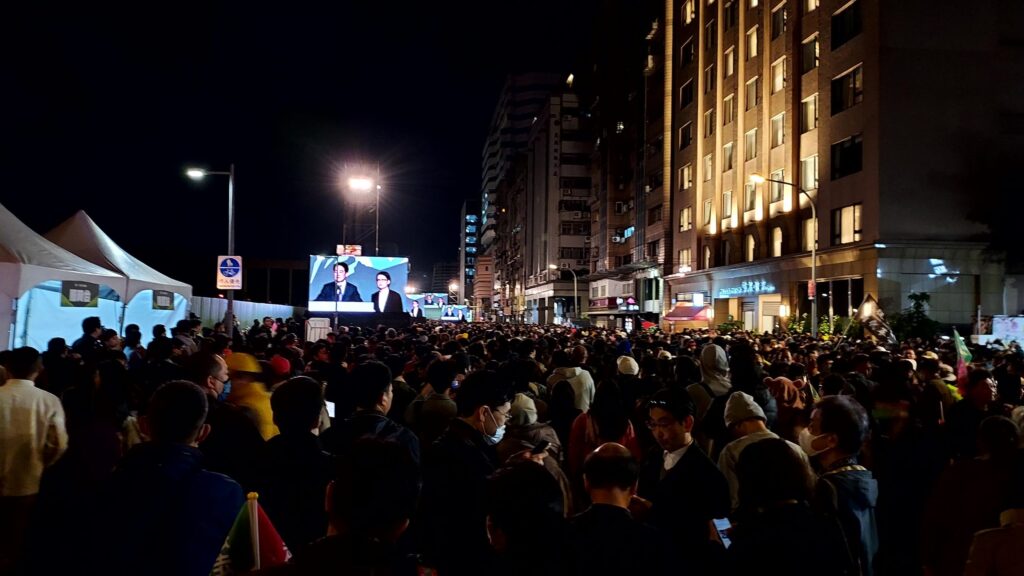
Taiwan’s 2024 General Elections Underway
On Saturday, 13 January 2024, voters across Taiwan went to the polls to fill the offices of president and vice president, as well as all 113 seats of the 11th Legislative Yuan. The vote marked the island’s sixteenth presidential contest and the latest renewal of its unicameral legislature, underscoring a continued commitment to democratic practice.
The election attracted close attention from abroad, especially given Taiwan’s geopolitical position and its strained ties with the People’s Republic of China. Observers noted that the United States, a long‑time backer of Taiwan’s democratic development, had its current president reiterate Washington’s dedication to a robust partnership grounded in shared democratic values, freedom and respect for human rights. Analysts said the outcome will shape how Taipei engages with Washington and other like‑minded states in the Indo‑Pacific.
Control of the Legislative Yuan is equally consequential, because the new legislature will determine whether the incoming president can advance his or her policy agenda. A fragmented or opposition‑dominated Yuan could complicate governance, while a friendly majority would smooth the path for legislative initiatives.
Beijing, which regards Taiwan as a renegade province, monitored the balloting closely. Chinese officials have repeatedly warned against any move toward formal independence and have a record of seeking to influence Taiwanese politics through economic, diplomatic and informational channels. The international community, led by Washington and its allies, pledged to watch for any signs of coercion or interference and to uphold Taiwan’s right to self‑determination.
Taiwanese voters have historically shown strong support for democratic norms, and many commentators expect the electorate to continue pressing for greater autonomy and a clearer international identity. The campaign season featured vigorous debate among multiple parties and candidates, with the economy, national security and cross‑strait relations dominating the discourse.
As the vote count proceeds, experts will scrutinize the results for clues about Taiwan’s future domestic direction and foreign policy orientation. The incoming administration will need to address pressing economic challenges, social welfare concerns and the delicate balancing act required in relations with Washington, Beijing and other regional actors. The significance of the 2024 contest extends beyond Taiwan’s shores.
Governments, think‑tanks and media outlets worldwide are tracking the election because its outcome could affect stability in the Taiwan Strait and influence broader strategic calculations in Asia. Once the ballots are counted, attention will shift to government formation, cabinet appointments and the rollout of the new leadership’s policy platform.
Looking ahead, the weeks and months following the election will be critical in determining how Taipei navigates its internal priorities while responding to external pressures. The United States is anticipated to remain a key supporter of Taiwan’s democratic institutions and sovereignty, offering diplomatic backing and, where appropriate, security cooperation. Meanwhile, Taipei’s leaders will need to calibrate their approach to China, seeking to avoid escalation while preserving the island’s de facto autonomy.
In sum, the 2024 general elections represent another milestone in Taiwan’s democratic evolution. With the world watching, the island’s next leaders will inherit a complex set of opportunities and challenges that will shape not only Taiwan’s trajectory but also the security and prosperity of the wider region.




