
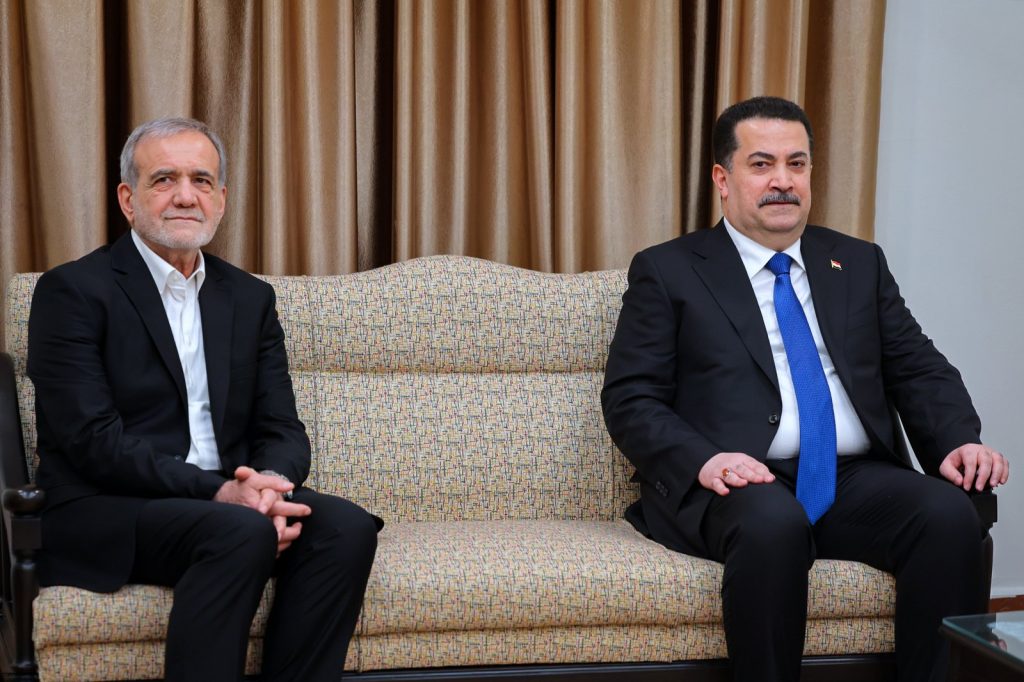
Iran’s New President Masoud Pezeshkian Faces Challenges with a Mandate from Less than Half the Voters
Following the July 5th runoff, Masoud Pezeshkian has been elected as the next president of Iran, with a mandate supported by just under half of the eligible voters. This figure represents a significant improvement from the initial round’s historic low turnout of 39.93%, yet still leaves a majority of Iranians opting out of the political process.
With a victory of 53.7%, Pezeshkian surpassed hardline candidate Saeed Jalili, but the election was not a landslide. The presidency was thrust upon Pezeshkian following the May 19th helicopter crash that claimed the life of President Ebrahim Raisi, reshaping Iran’s political calendar and producing a contest that left many voters feeling disillusioned with the available options. Four candidates competed in the June 28th first round, with Pezeshkian securing 44% of the vote, Jalili receiving 40%, parliament speaker Mohammad Bagher Ghalibaf garnering 14%, and cleric Mostafa Pourmohammadi obtaining less than 1%. The absence of a majority necessitated a runoff.
As the sole reformist candidate on the ballot, Pezeshkian carries a label that holds significant weight abroad, where the Iranian government is frequently viewed as a hostile actor. The new president’s ability to improve relations with the United States, particularly under the current U.S. administration, remains uncertain.
Pezeshkian assumes office in a system where the Supreme Leader holds ultimate authority, not the elected executive. Jalili conceded defeat shortly after the Ministry of Interior announced Pezeshkian’s victory on July 6th. However, the election was marked by controversy, with many Iranians expressing dissatisfaction with the candidates on offer.
The first-round turnout was the lowest in the Islamic Republic’s history, interpreted by analysts as a protest vote, signaling that large segments of the population view the political class as disconnected from their lives. The consequences of this political apathy stretch beyond Iran’s borders.
A reformist president could potentially reopen diplomatic channels that have been closed for years. Nuclear negotiations, regional proxy conflicts, and the ongoing confrontation with Israel all hang in the balance. However, Pezeshkian’s room to maneuver is limited.
Hardliners control the parliament, the judiciary, and the security forces, making any outreach to the West met with immediate resistance from factions that consider compromise a form of betrayal. Domestically, Pezeshkian inherits an economy under severe pressure due to international sanctions, which have stifled oil exports and trade, resulting in high inflation, depleted household purchasing power, and persistently high unemployment, particularly among young Iranians who played a significant role in the abstaining vote.
Pezeshkian’s reformist agenda includes economic opening and social liberalization, but delivering on these promises will require cooperation from institutions that view him as a rival, not an ally. The low voter turnout tells a stark story. In the first round, fewer than four in ten eligible voters cast ballots.
In the runoff, just under half participated. This means that a majority of Iranians chose not to participate in the election, and Pezeshkian’s victory was supported by approximately a quarter of the voting-age population.
This slim mandate provides a fragile foundation for the kind of change his supporters hope for.




