
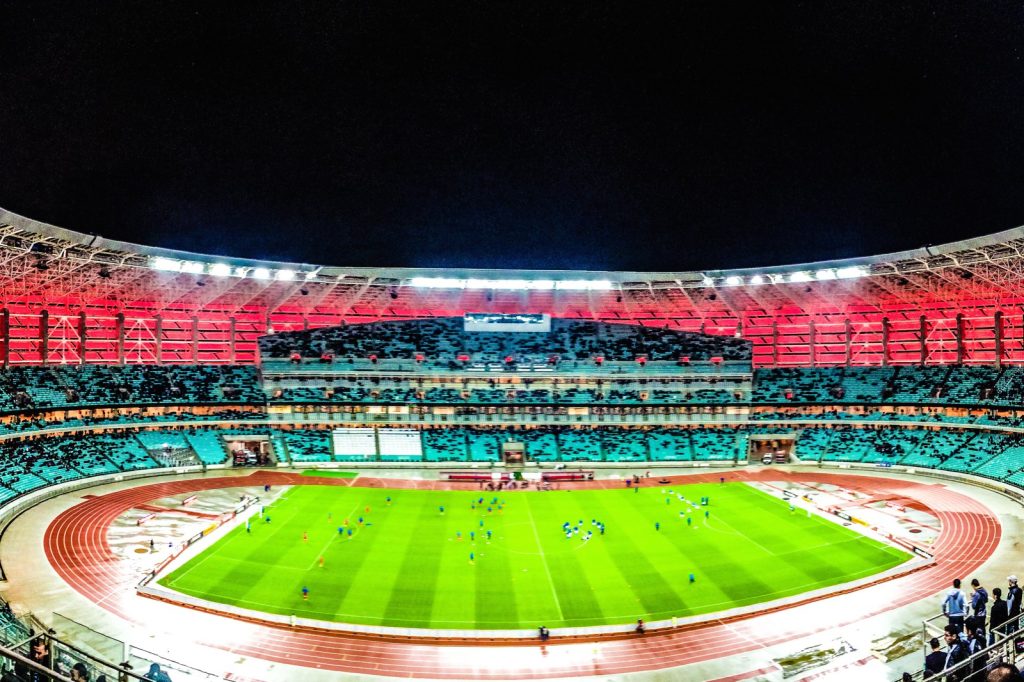
The 2024 United Nations Climate Change Conference opened on 11 November in Baku, a city whose skyline is punctuated by offshore oil rigs and gas flares along the Caspian Sea. Azerbaijan, a nation whose economy is heavily dependent on petroleum, hosted the twelve‑day gathering inside the Baku Olympic Stadium. The event was chaired by Minister of Energy Mukhtar Babayev, with Samir Nuriyev heading the Organising Committee.
Delegates from dozens of nations gathered to discuss emissions targets, financing mechanisms and the gradual progress of international climate diplomacy. On 22 November the conference produced an agreement outlining financial plans to help developing countries transition to sustainable energy.
It also established rules and a United Nations‑run registry intended to monitor the international trading of carbon credits, a step aimed at increasing transparency in a market long criticised for opacity and loopholes. The summit continued a series of climate meetings that began with the 1992 Rio Earth Summit, each year raising the stakes as the gap between scientific recommendations and governmental action widens. This year’s summit was expected to be the moment rich nations finally attached concrete figures to longstanding promises of funding the green transition for poorer states.
The Baku agreement provides such figures on paper, though questions remain about whether the promised money will be disbursed and whether it will be free from conditions that benefit fossil‑fuel interests. A conflict‑of‑interest concern was highlighted by the fact that several official partners of the conference were businesses owned by President Ilham Aliyev or linked to his family’s enterprises.
Critics argued that a host whose leadership profits from the very industries the summit seeks to curb undermines the credibility of any accords reached under its roof. Most leaders of the Group of Seven chose not to attend, a notable absence that suggested a mix of indifference and strategic distance, avoiding personal endorsement of a process clouded by the host’s record. Those who did travel to Baku represented nations most vulnerable to climate impacts—rising seas, crop failures and lethal heatwaves—and attended primarily to secure financing and the new carbon‑credit framework.
The newly created UN carbon‑credit registry is a technical achievement, designed to provide a single, verifiable ledger to prevent fraud and double‑counting that have plagued offset markets. While the registry offers a tool for greater accountability, its effectiveness will depend on honest implementation and enforcement by participating countries.
This is not the first climate conference held in a state heavily reliant on fossil fuels, nor will it be the last. The paradox that the wealthiest potential financiers are often the most invested in the status quo is evident in Azerbaijan’s role as host. Despite this contradiction, the conference succeeded in reaching an agreement, though the agreement remains a framework rather than a completed plan.
As the banners come down and the stadium empties, the real test begins: whether governments will follow through with the promised funding, enforce the carbon‑credit rules and achieve the emissions cuts needed to move away from oil and gas. History shows many climate pledges fade once the spotlight dims; whether Baku’s outcomes will endure remains to be seen.




