
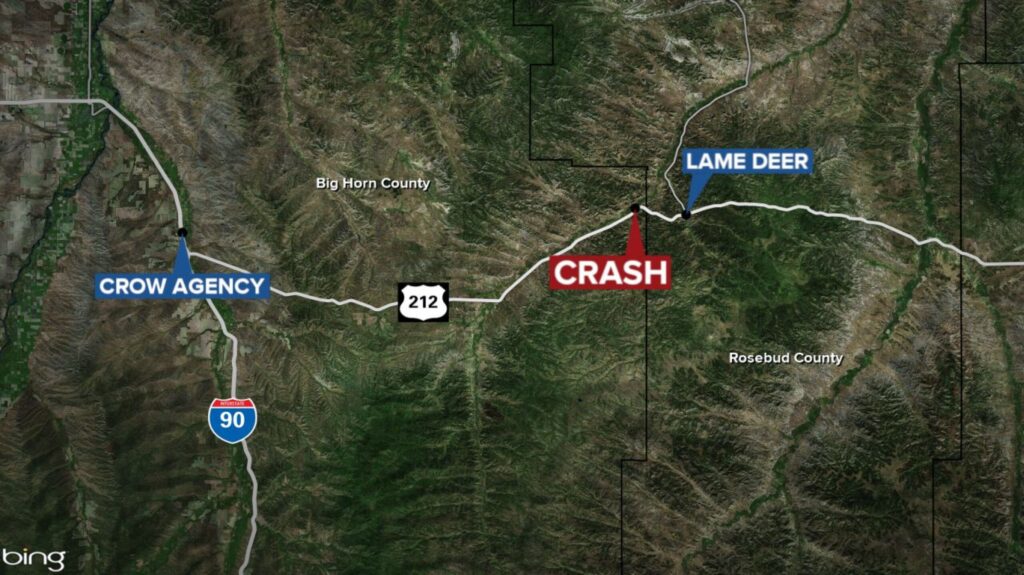
A Robinson R66 helicopter went down on the afternoon of October 22, 2025, in the remote southeastern region of Montana near the town of Ekalaka, killing all four occupants. The aircraft, a five‑seat turbine‑powered model equipped with a Rolls‑Royce RR300 engine, had been certified by the Federal Aviation Administration on October 25, 2010, the date when the FAA granted both a type certificate and a production certificate after years of design work, flight testing and regulatory review.
The R66 represents Robinson’s first foray into turbine‑engine helicopters after decades of producing piston‑engine models such as the R22 and R44. Turbine power offers smoother operation, better high‑altitude performance and a reputation for greater reliability compared with early piston engines, a factor that positioned the R66 as a work‑horse for private transport, medical evacuation and cargo missions in sparsely populated areas. Ekalaka lies in a stretch of rolling prairie and badlands where ground travel can take many hours.
Helicopters like the R66 are frequently used to move people and supplies across the long distances that characterize the region. The aircraft’s design includes a separate cargo compartment, making it suitable for a variety of utility roles rather than serving as a luxury vehicle.
While the R66 has logged thousands of flight hours across its fleet and retains a valid type certificate, the crash raises questions about possible failures. The National Transportation Safety Board has launched an investigation that will examine the aircraft’s physical condition, the pilot’s qualifications and experience, and the maintenance history. Investigators have indicated they may disassemble the Rolls‑Royce engine if necessary to determine whether mechanical problems, wear, or a missed pre‑flight issue contributed to the accident.
The preliminary report stresses that “regular maintenance can help identify potential issues before they become major problems.” Aviation safety depends on meticulous record‑keeping, adherence to torque specifications, and strict compliance with replacement schedules—processes that, while costly and unglamorous, are essential for preventing incidents. At this stage, the exact cause of the October 22 crash remains unknown.
Authorities will consider factors such as potential design flaws, maintenance errors, pilot error, or adverse weather conditions. The outcome of the investigation will dictate whether this event is an isolated incident or indicative of broader concerns with the R66 model. Robinson’s turbine‑powered helicopter continues to be recognized for its versatility and extensive operational history, but the loss of four lives underscores the constant need for vigilance in aircraft upkeep and operational procedures.
The investigation’s findings will be critical for the industry’s understanding of any underlying issues that may affect the safety of the R66 fleet moving forward.




