
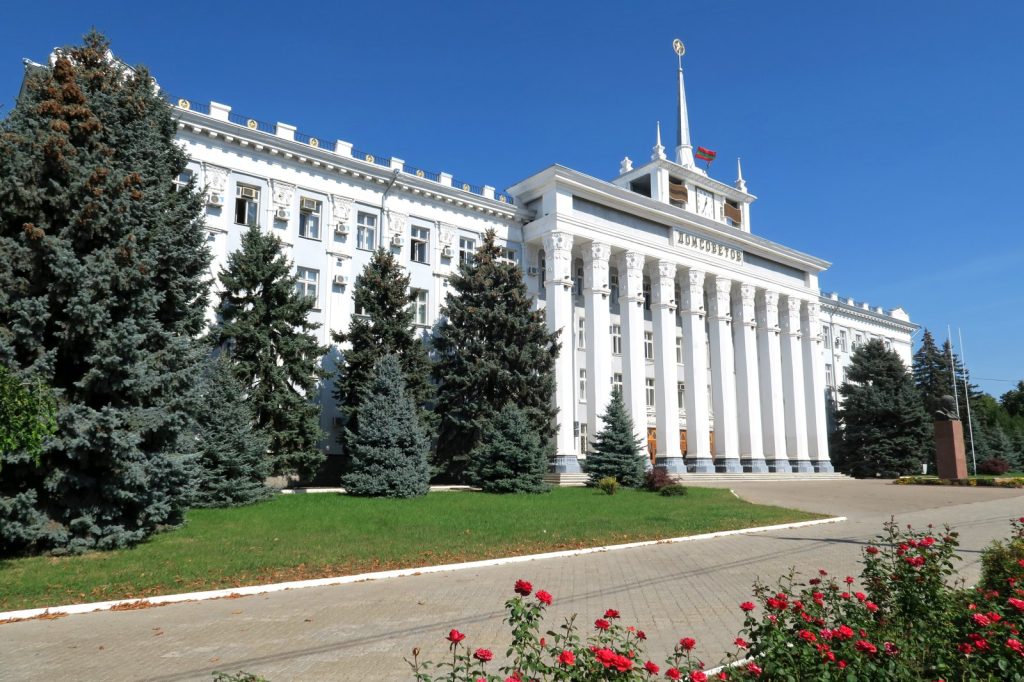
On Sunday, voters in Tiraspol and the narrow corridor between the Dniester River and Ukraine’s border went to the polls to choose the 43 members of Transnistria’s Supreme Council. The ballot was conducted by secret vote, candidates delivered speeches, local newspapers reported on the contests and the elected deputies will now sit in the region’s parliament, where they will pass laws, approve the budget and manage day‑to‑day affairs. While the routine of campaigning and voting proceeds as it has for decades, the outcome carries little weight beyond the de‑facto borders of the breakaway enclave.
Transnistria declared independence from Moldova in 1990, amid the disintegration of the Soviet Union, and a brief armed conflict in 1992 ended with a cease‑fire that left the territory in a frozen state of non‑recognition. No United Nations member, including any of the permanent Security Council powers, acknowledges its sovereignty.
Russia, although it does not formally recognize the entity, maintains a military presence and supplies the local economy with gas, electricity and financial assistance. The timing of the election is notable because it occurs while the war in Ukraine continues just across the border. Transnistria’s leadership has historically aligned itself with Moscow, and the region’s factories, energy network and pension system remain heavily dependent on Russian resources.
This dependency fuels ongoing concerns in both Kyiv and Chişinău, the capital of Moldova, about the enclave’s potential to become a conduit for further Russian influence. The United States has reiterated its stance that Transnistria is part of Moldova’s sovereign territory and has expressed criticism of the limited democratic freedoms within the enclave.
Washington’s policy, which is unlikely to shift under the current administration, includes no plans to send an ambassador to congratulate the new council members, nor will any European Union delegation monitor the vote. Sanctions imposed on Russia for its actions in Ukraine have also extended pressure to Transnistria by association, prompting Western officials to warn that the region could evolve into a flashpoint for conflict. Despite these external positions, the internal process resembles a conventional democratic exercise: secret ballots, campaign rallies, and media coverage create the appearance of a functioning parliamentary system.
Yet the international community continues to regard the election as illegitimate because it does not recognize Transnistria as a state. This paradox—an entity that operates with the trappings of statehood while being treated as a legal fiction—has persisted for more than three decades.
In practice, the United States will monitor the election results, record which candidates secure seats and file routine reports, but no policy shift or diplomatic recognition is expected. The U.S. will maintain its support for Moldova’s territorial integrity, and the European Union will keep its sanctions regime targeting Russia and entities linked to the enclave. The pattern that has defined Transnistria since the early 1990s—periodic elections, a self‑governing administration, and a perpetual diplomatic stalemate—remains unchanged.
As the conflict in Ukraine drags on, the enclave’s political rhythm continues: elections are held, results are noted by outside observers, and the status quo endures, unnoticed by the broader international audience.




