
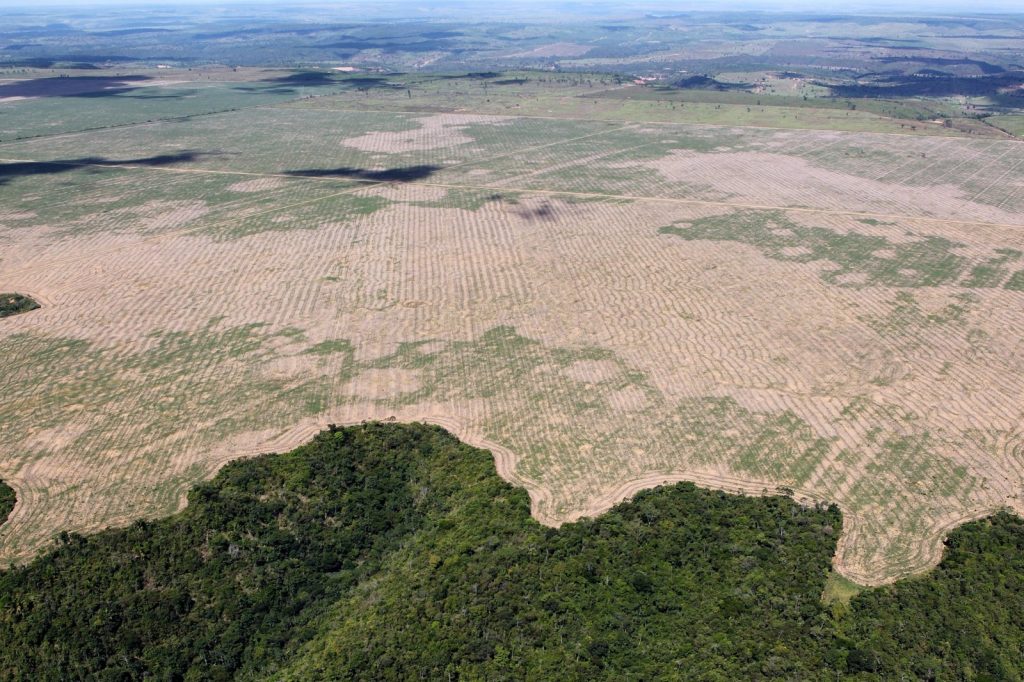
The European Union has formally adopted a rule designed to keep its consumption from driving forest loss abroad. Known as Regulation (EU) 2023/1115, the EU Regulation on Deforestation‑free products (EUDR) was adopted in May 2023 and replaces the earlier Timber Regulation of 2010. It is positioned as a component of the European Green Deal, linking it to the bloc’s broader climate‑change and biodiversity‑protection agenda.
The regulation targets a defined list of raw materials and the goods made from them. Covered commodities are palm oil, cattle, soy, coffee, cocoa, timber and rubber.
Derived products that fall under the scope include beef, furniture and chocolate. Any operator that places these items on the EU market or exports them from the union must comply with the rule. Implementation dates differ by company size.
Medium and large enterprises must meet the obligations starting 30 December 2024, while small businesses have until 30 June 2025 to adjust their practices. A central requirement is the exercise of due diligence.
Firms must verify that the commodities they trade do not originate from land that was deforested after 31 December 2020. To demonstrate this, they are obliged to gather the geographic coordinates of the specific plots where the raw materials were produced. The collected data serve as evidence that the supply chain is free of recent forest clearance.
By enforcing this traceability, the EU seeks to block the import and export of goods linked to forest degradation, thereby lowering its own contribution to global deforestation. The measure is expected to curb biodiversity loss, limit greenhouse‑gas emissions tied to land‑use change, and help preserve water cycles that depend on forest cover.
Because the rule touches both food and non‑food streams, a substantial share of the products consumed by EU citizens will fall under its remit. Coffee, cocoa and chocolate are examples of food items affected, while timber‑based furniture and rubber goods illustrate the non‑food side. This wide reach means the regulation could reshape sizable portions of the EU market.
The success of the EUDR will hinge on two factors: the ability of businesses to carry out the required due diligence and collect plot‑level location data, and the capacity of EU authorities to monitor compliance and keep non‑conforming products out of the market. Observers note that enforcement mechanisms, penalties for violations, and cooperation with producer countries will be closely watched in the months ahead.
As the deadline approaches, stakeholders will assess how the regulation operates in practice and what environmental outcomes emerge. If effective, the EUDR may serve as a template for similar initiatives in other regions seeking to align trade with forest protection.




