
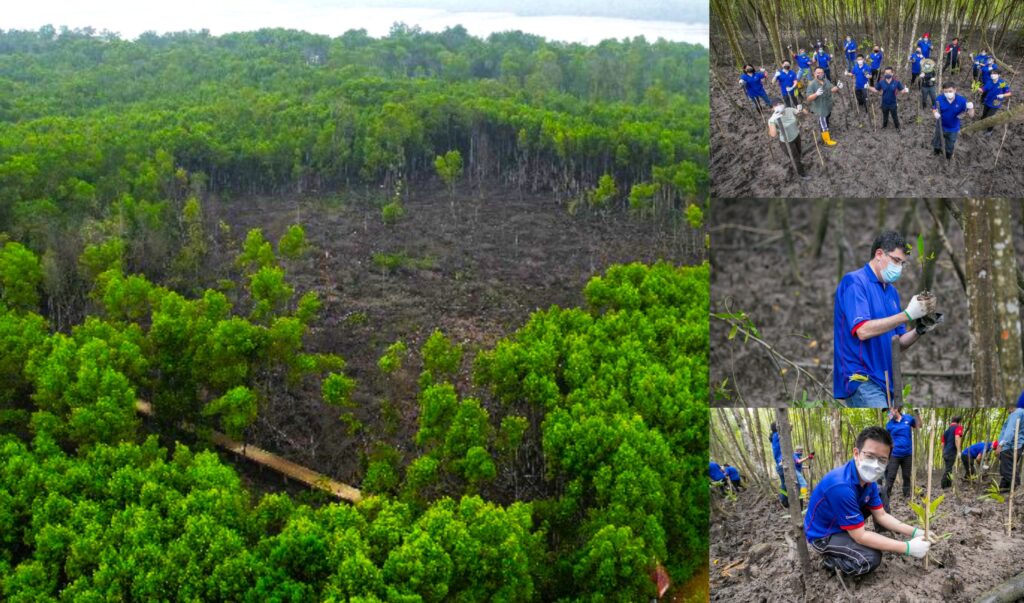
On November 8, 2024, Malaysia’s longstanding effort to revive its mangrove forests secured support from private enterprises, marking a new phase in the nation’s environmental conservation work. The initiative, which has been active for several years, focuses on restoring and safeguarding mangrove ecosystems that are critical for coastal defense and biological diversity. Implementation is concentrated in regions such as Sabah and Sarawak, where these forests are most abundant.
Mangrove forests deliver essential services, including shielding shorelines, filtering water, and providing habitats for a wide array of plant and animal species. Despite their value, these ecosystems face mounting pressures from deforestation, pollution, and climate shifts, resulting in a notable reduction in their extent.
Data from the Malaysian Ministry of Environment and Water indicates that the country has experienced a decline of nearly 30% in its mangrove coverage over recent decades. This trend has spurred government action to reverse the damage. Dato’ Sri Tuan Ibrahim Tuan Man, Malaysia’s Minister of Environment and Water, emphasized the ecological significance of mangroves, stating that preserving them for future generations is a national responsibility.
The private sector has stepped in to bolster these efforts. Petronas, the state-owned oil and gas firm, has committed funding and technical knowledge to the program.
Tan Sri Wan Zulkiflee Wan Ariffin, Petronas’ chairman, noted the company’s recognition of mangroves’ role in supporting biodiversity and protecting coastlines, affirming its dedication to conservation. Additional backing has come from corporations like Sime Darby and IOI Group. Obstacles remain, however.
A report from the World Wildlife Fund highlights a lack of awareness among local populations about mangrove benefits, with some communities viewing the forests as obstacles to development. Dr. Dionysius Sharma, executive director of WWF-Malaysia, called for educational initiatives to inform residents and integrate them into conservation activities.
Funding constraints have also been a hurdle, though private investment has helped alleviate this issue. Progress has been measurable since the program’s launch. The Ministry of Environment and Water reports that over 1,000 hectares of mangrove forests have been restored and placed under protection. The initiative has generated employment and income for local communities engaged in restoration work.
Dato’ Sri Tuan Ibrahim Tuan Man observed that the program has not only preserved ecosystems but also contributed to local socio-economic development. Looking ahead, the government intends to extend the program to additional regions and enlarge the protected mangrove area.
Private sector involvement is expected to persist, and officials are exploring ways to bring in other stakeholders, including non-governmental organizations and community groups. The collaboration between government, businesses, and local residents is seen as a potential model for regional conservation efforts.




