
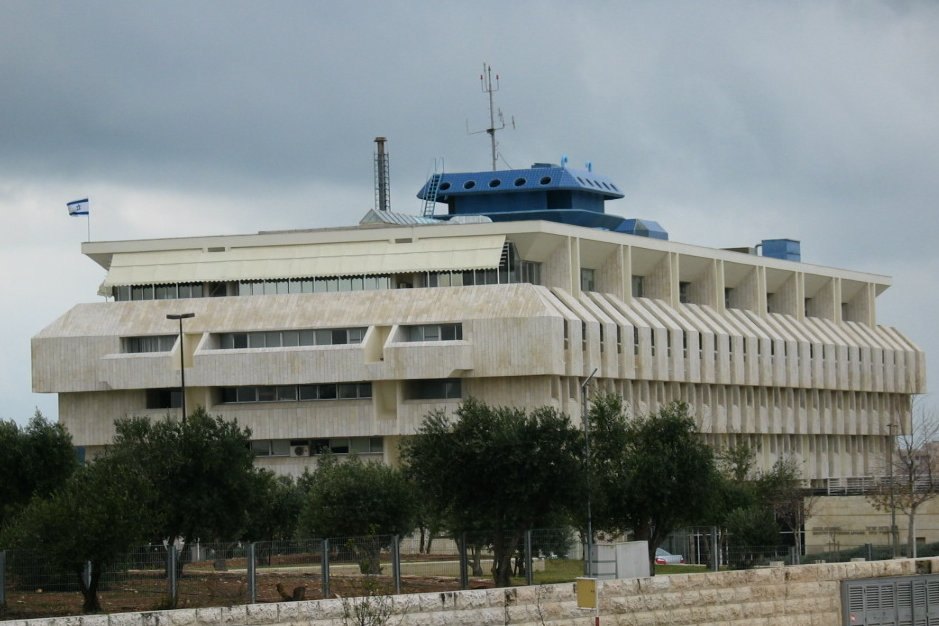
Economists Issue Warning Over Sanctions
A group of 61 senior Israeli economists issued a public letter warning that continued violence against Palestinians and the expansion of Israeli communities in Judea and Samaria could expose Israel to broader international economic sanctions. According to the letter published on Sunday, diplomatic disputes surrounding developments in the territory could increasingly affect Israel’s broader economy rather than remaining limited to businesses operating locally.
The economists argued that the damage to Israel’s economy could increase by orders of magnitude if foreign restrictions spread from a handful of countries to a significant portion of Europe and extend beyond settlements to the Israeli economy as a whole. According to the record, there are currently approximately 100 sanctions imposed by more than 50 countries, with financial measures and restrictions on arms transactions featuring prominently.
The letter stated that foreign restrictions are already affecting trade, financial relationships, defense transactions, and international cooperation. The authors noted that sanctions and boycotts are harming Israeli academia, fields essential to the high-tech industry, the defense sector, and the cultural sphere. Specific examples cited in the document include delivery delays for the INS Drakon submarine and artists refusing to perform in Israel.
Expansion of UN Blacklists and Financial Risks
The economists drew attention to the expansion of the United Nations database of companies linked to activities in Israeli communities in Judea and Samaria. According to the letter, the database now includes 214 companies from 11 countries, most of them Israeli. The UN blacklist includes all Israeli banks and Tnuva.
The authors asserted that the expansion of settlements and the failure to prevent violence against Palestinians are causing diplomatic damage to Israel and contributing to its international isolation. They stated that these policies carry a high economic cost that will ultimately be borne by every resident of the country. The economists urged authorities to prevent violence and consider the wider economic implications of government policies affecting Judea and Samaria while there is still time.
Student Survey Highlights Living Cost Pressures
The public warning from the 61 economists coincides with separate data regarding financial pressures inside the country. According to a survey by the National Union of Israeli Students, nearly one in three Israeli students is considering leaving the country due to the high cost of living.
The survey found that the average Israeli student’s monthly expenses have reached NIS 6,907. Nearly half of those surveyed reported relying on financial assistance from their parents to meet their monthly obligations.
Impact on Defense and Cultural Sectors
The economists highlighted that sanctions and boycotts are already harming Israel’s defense industry, citing delivery delays for the INS Drakon submarine as a concrete example of economic disruption. They noted that such delays stem from international restrictions on defense transactions linked to settlement-related activities.
Additionally, the letter emphasized that cultural boycotts are affecting Israeli artists, with refusals to perform in Israel contributing to economic strain in the cultural sphere. These impacts, they argued, illustrate how sanctions extend beyond targeted measures to affect broader national industries.
Momentum of the International Sanctions Movement
The 61 senior economists emphasized that the international sanctions movement is currently gaining momentum. According to their letter, there are already approximately 100 sanctions imposed by more than 50 countries. The authors noted that financial measures and restrictions on arms transactions feature prominently among these existing international steps.
The economists warned that the potential damage to Israel’s economy could increase by orders of magnitude if such measures spread from a handful of countries to a significant portion of Europe. They expressed concern that these restrictions could extend beyond settlements to impact the Israeli economy as a whole. According to the document, the diplomatic damage caused by current policies already carries a high economic cost that will ultimately be borne by every resident of the country.
Sources
- ECONOMIC WARNING: 61 Israeli Economists Caution That Violence In Judea And Samaria Could Trigger Wider Sanctions
- Israeli economists: West Bank settlers, Jewish terror pose severe economy risk | The Jerusalem Post
- 61 economists warn Israel of sanctions risk — Jerusalem Post
Photo: This file is a work by Ester Inbar (user:ST or he:user:ST).
More of my work can (Attribution)




