
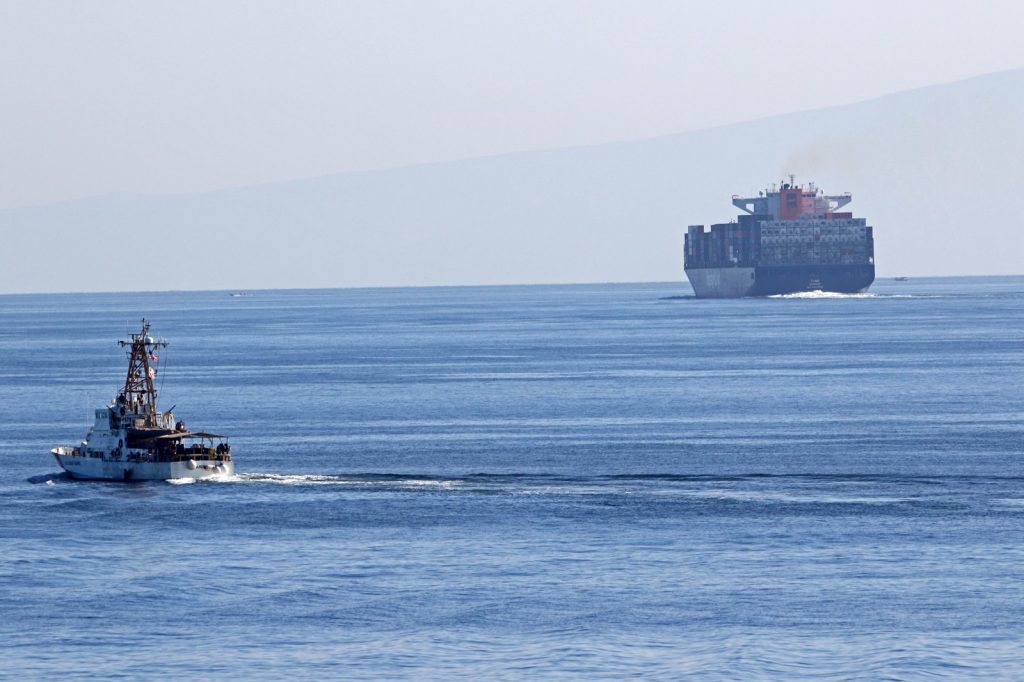
TEHRAN, July 13 — A new 20% toll on vessels transiting a major international waterway is set to test the boundaries of maritime law and global diplomacy, with Iran vowing to challenge the levy at the International Court of Justice.
The toll raises serious legal questions under the United Nations Convention on the Law of the Sea (UNCLOS), which guarantees what is known as “innocent passage” through international straits. Think of it like a public highway on the water — UNCLOS says ships from any nation can pass through without being harassed or charged. The United States has not ratified UNCLOS, but it generally respects its provisions as a matter of international practice.
Here’s what it means in plain terms: if Iran enforces this toll, it could set a precedent that other nations with strategic chokepoints might follow. The practical upshot for global trade could be significant, given how much oil and cargo moves through these narrow sea lanes every day.
Diplomatic options and military posture
The diplomatic toolbox for resolving this is not empty. Options include mediation by the Gulf Cooperation Council (GCC), European Union-led talks, or a push for a United Nations Security Council resolution. Each path carries its own political weight. The GCC, for instance, has a direct stake in maintaining stable shipping routes, while an EU-led effort could bring broader economic pressure to bear.
On the military side, the U.S. Fifth Fleet will enforce a blockade in response. Iran has its own set of countermeasures to threaten: mines, small boats, or anti-ship missiles. The U.S. Department of Defense has not announced any additional deployments to the region as of this writing.
The toll is set to take effect on April 1, 2025. That date gives diplomats roughly nine months to find a negotiated off-ramp before the levy kicks in and the legal battles begin.
Market reaction
Markets are already pricing in the risk. Insurance rates for tankers transiting the strait have doubled. That’s a concrete, measurable cost that will likely flow through to energy prices and shipping contracts long before the toll itself goes into effect. In plain terms, the insurance market is betting this situation gets worse before it gets better.
What to watch next
The key timeline to watch is the interplay between the ICJ challenge and the April 1 implementation date. Iran has vowed to take its case to the international court, but those proceedings typically take years, not months. The more immediate pressure points are diplomatic: can the GCC, the EU, or the UN Security Council broker a deal before tanker operators start rerouting or paying up?
For now, the practical upshot for ordinary readers is this: a legal dispute over a narrow stretch of water has the potential to reshape how global trade moves through one of the world’s most vital maritime corridors. The insurance numbers are already flashing warning signs.




