
KYIV, August 3 — The shift is palpable as the international community looks towards a critical juncture in the ongoing conflict: winter. Ukrainian President Volodymyr Zelenskyy has expressed a desire to conclude the conflict before the cold weather sets in, highlighting the immense strategic implications of winter warfare. This isn’t just about colder temperatures; it’s a fundamental change in the operational landscape, historically a decisive factor in military campaigns.
What’s changing on the ground is a stark re-evaluation of how military operations can be sustained. Winter conditions, with their freezing temperatures, snow, and ice, consistently present formidable challenges.
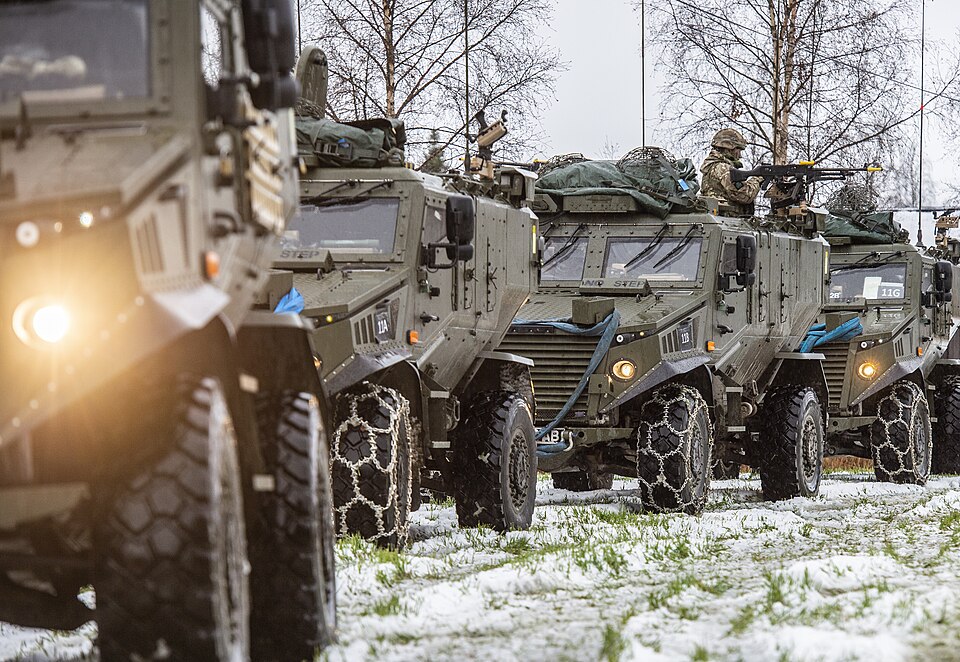
Logistics, for instance, become significantly more complex. Maintaining crucial supply lines for fuel, ammunition, and food faces severe impediments from adverse weather and difficult terrain. Equipment, particularly vehicles and weaponry, demands increased maintenance and is prone to mechanical failures when exposed to extreme cold.
The Historical Echoes of Winter
The lessons from history are clear. Winter has played a decisive role in past conflicts, famously impacting Napoleon’s 1812 invasion of Russia and the Eastern Front during World War II. In both instances, the harsh Russian winter decimated invading forces, underscoring the elements’ power over even the most formidable armies.
For Ukraine, a winter campaign would introduce exacerbated challenges. Energy demands for heating both military positions and civilian infrastructure would surge.
This infrastructure has already been targeted by Russian missile strikes, a critical vulnerability. Such conditions could intensify humanitarian crises, particularly for populations residing in frontline areas.
Operational Dynamics in the Cold
From a military perspective, the dynamics shift dramatically. Frozen ground can, paradoxically, facilitate tank movements, offering firmer surfaces. However, this advantage can quickly be negated by heavy snow, which can impede them just as readily.
Reduced visibility is another key factor, affecting air operations and critical drone reconnaissance, which have become central to modern warfare. Diplomatic efforts continue in parallel, with the G7 nations and the United Nations actively seeking a peaceful resolution.
Yet, a prolonged conflict stretching into winter could entrench existing positions, making diplomatic breakthroughs considerably more difficult. The potential scenarios for the conflict’s progression through winter are varied, including a continuation of attritional warfare, a strategic focus on defensive operations to conserve resources, or even renewed offensives if either side perceives an opportunity to gain a decisive advantage despite the weather. The trend underneath all these considerations is clear: the ability of both sides to sustain operations, protect personnel, and maintain supply lines will be severely tested by the elements.
Watch this space, as the “before winter” timeline remains a significant strategic objective for Ukraine, with the coming months poised to redefine the conflict’s trajectory.




