
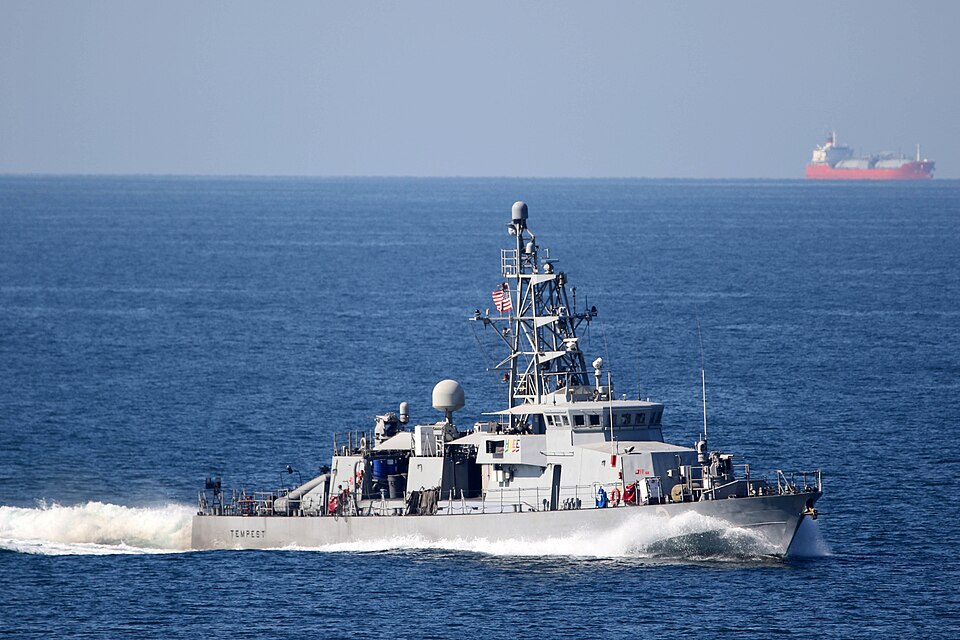
WASHINGTON, July 14 — The figure that matters for the U.S. Fifth Fleet is roughly $1.5 billion annually. That is the cost of keeping American naval patrols running through the Strait of Hormuz, a bill the U.S. Treasury has been paying alone. The bottom line: the Trump administration abandoned its proposed cargo fee on shipping transiting the strait, and has not yet announced a replacement policy.
For investors tracking Gulf stability and Pentagon spending, this leaves a clear gap in how Washington plans to fund a mission it has shouldered for decades. By the numbers, the Fifth Fleet continues to operate in the region on that roughly $1.5 billion annual budget.
The administration’s reversal on the fee — which was meant to shift costs to commercial shippers benefiting from U.S.-guaranteed safe passage — now sends policy analysts back to the drawing board. Options under discussion include increased cost-sharing with Gulf allies through the Gulf Cooperation Council. Another proposal is a voluntary contribution system for shipping companies, which would rely on industry goodwill rather than a mandatory levy.
A third path is simply maintaining the status quo: U.S.-funded patrols with no new revenue stream. The reversal is seen as a diplomatic win for Gulf states.
Investors will note that this could strengthen ties ahead of future trade deals, as the administration recalibrates its approach to allies who resisted the fee.
A revived Iranian offer
The decision may also revive discussions on the “Hormuz Peace Endeavor,” or HOPE, proposed by Iran in 2019. Tehran has offered that framework as a regional security alternative to the U.S.-led patrol model. No formal negotiations have been announced, and the Trump administration has not signaled any interest in engaging with Iran on the proposal.
The HOPE initiative remains a talking point in Gulf policy circles, but it has not moved beyond the proposal stage. For now, the U.S. Fifth Fleet remains the primary security provider in the strait, funded entirely by American taxpayers.
What to watch next
The key question for investors and Gulf watchers is whether the administration will push for a new cost-sharing mechanism through the GCC, or let the status quo hold. The absence of a replacement policy leaves the budget line for the Fifth Fleet unchanged, but it also leaves the U.S. absorbing a cost that allies have been reluctant to share. The diplomatic reset with Gulf states could open the door to broader trade negotiations, though no such talks have been announced.
For now, the Strait of Hormuz remains under U.S. naval protection, with the bill still coming due in Washington.




